

Post Malone’s former Bugatti Chiron drew attention before it even moved. Finished in white over white and associated with the name “Angel,” the hypercar took one of the most recognizable silhouettes in modern performance motoring and gave it a striking, almost monochrome presence. The combination felt unmistakably personal: a high-profile artist’s taste expressed through a bespoke specification, with the Chiron’s extraordinary engineering beneath the surface.
How Angel became a headline-making Chiron
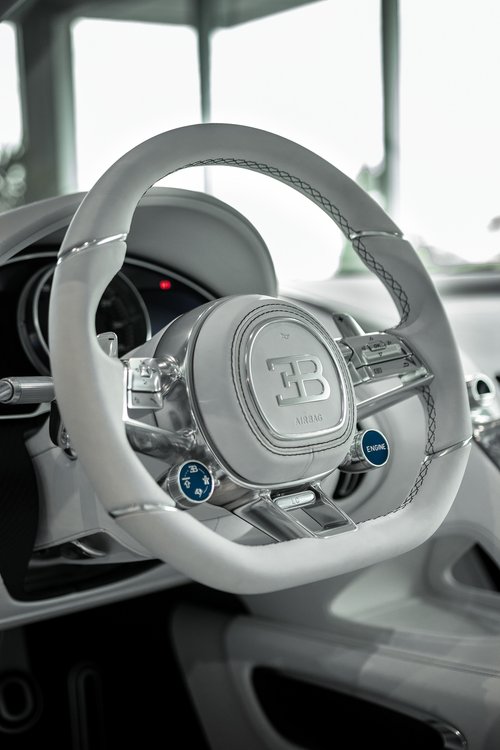
The car was configured by OB Prestige Auto, which also gave it the nickname “Angel,” according to coverage at the time of its original sale. Post Malone acquired the 2019 Chiron in 2019, and its unusually consistent color story helped separate it from the more contrast-heavy specifications often seen on the model. The Glacier White exterior continued into a light cabin, creating a clean visual identity that read as both dramatic and deliberately simple.
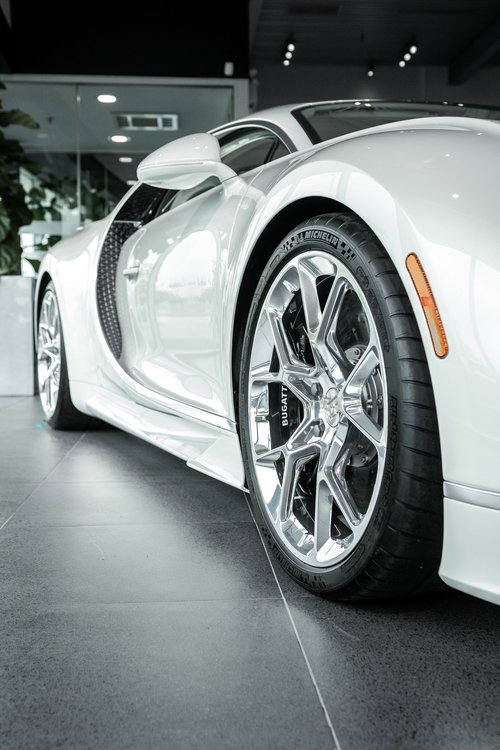
That balance is part of the fascination. The Chiron’s forms are already muscular: the central C-line, broad haunches and low, planted stance give it presence from almost every angle. On Angel, a single dominant color softened some of those visual divisions while making the sculpted surfaces easier to read. The effect was less about adding decoration than about committing fully to one idea.
Its nickname has often been repeated as if it were Post Malone’s own invention. Contemporary reporting attributes “Angel” to the dealer that first configured the car, so the name is best understood as part of the Chiron’s sales and media story rather than a confirmed personal nickname from the musician.
Personalization that stayed focused
Celebrity cars can become a catalogue of modifications, but Angel’s strongest statement was its restraint. The all-white palette provided the headline; detailing such as the wheels and trim gave the car a more individual character without disrupting the overall theme. That coherence made the Chiron particularly photogenic. The bodywork catches light in long, uninterrupted planes, and the white cabin extends the same visual idea when the doors open.
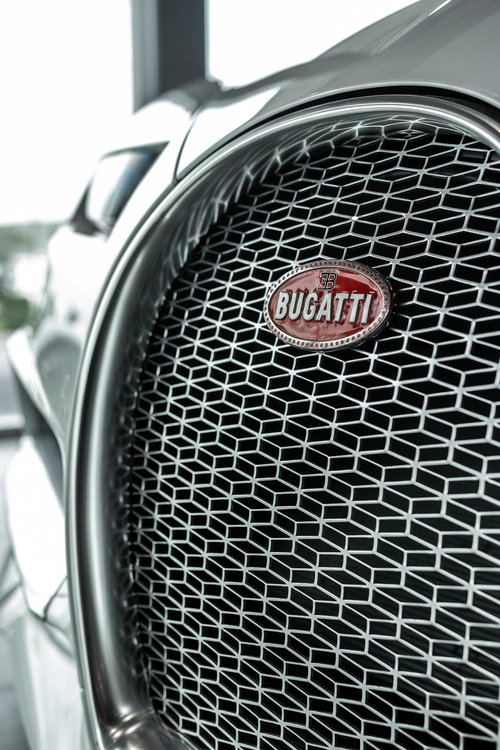
That is the appeal of a well-considered specification: each choice supports the whole. A limited color palette can make an already rare car feel even more distinctive, while carefully selected details allow the owner’s taste to come through. Angel’s design was instantly legible in a photograph, yet the car remained recognizably a Chiron rather than a separate visual experiment.
The story also illustrates how modern luxury ownership is documented. A car’s identity travels through photographs, dealer videos, sale listings and reposts, often reaching people who will never see it in person. In that setting, a single memorable spec can become as important to the public conversation as performance figures.
Chiron engineering beneath the white finish
The Bugatti Chiron’s presence was not only visual. Bugatti describes the model’s powertrain as an 8.0-litre quad-turbocharged W16, producing 1,500 PS and 1,600 Nm in its original form. The manufacturer lists a 0–100 km/h time of 2.4 seconds and an electronically limited top speed of 420 km/h for the standard Chiron. Those are model specifications; they should not be confused with a verified test of this particular car.
That engineering scale is what gives the restrained exterior its tension. The car does not need an aggressive wrap or a loud color to announce its capabilities. Its broad stance, signature side profile and immense powertrain already establish the mood. Angel’s styling let that contrast do the work: a quiet color treatment wrapped around one of the most ambitious road cars of its era.
A celebrity car with a clear timeline
In early 2022, automotive outlets reported that Post Malone’s Chiron had been offered for sale. The listing made the vehicle’s celebrity provenance part of its next chapter, but the most dependable way to describe the car is as Post Malone’s former Chiron, rather than suggesting he still owns it. Its public identity had already been established through the combination of owner, specification and name.
That distinction matters in an era when old listings and images circulate long after a car changes hands. The fascination remains, but the timeline should stay clear: a 2019 Chiron, acquired by Post Malone in 2019, later advertised for sale in 2022. The appeal is not dependent on current ownership. Angel remains a memorable example of how a single configuration can connect automotive craftsmanship with music and celebrity culture.
Why Post Malone’s Bugatti still captures attention
Angel brought together three forces that tend to travel well online: a famous owner, a recognizable hypercar and a visual concept simple enough to understand at a glance. Yet the car’s appeal goes beyond celebrity. It shows how personalization can shape the way a machine is perceived, turning a production model into a story that feels singular without needing an entirely new body or a dramatic redesign.
Post Malone’s white Bugatti Chiron is remembered for the confidence of its specification. Its color treatment made the car feel different from the crowd, its engineering supplied the substance, and its public timeline gave it a place in contemporary car culture. Long after the listing cycle passed, Angel remains a clean, compelling case study in how taste can leave its mark on a modern hypercar.
For verified model figures, see Bugatti’s Chiron overview. For the car’s original configuration and sale reporting, see The Drive’s 2022 report.