

Jeff Hamilton’s jackets sit at a distinctive intersection: sports history, music, personal storytelling and luxury craftsmanship. For decades, the designer has made outerwear that carries more than a logo. A championship, a city, an artist’s identity or a cultural moment can become the starting point for a piece meant to be worn, remembered and collected. In this LAPSOFLUX conversation, Hamilton reflects on the creative discipline behind that work and the collaborations that have shaped his legacy.
Photography by Gurjit Badal. Creative direction by Paul Saini.
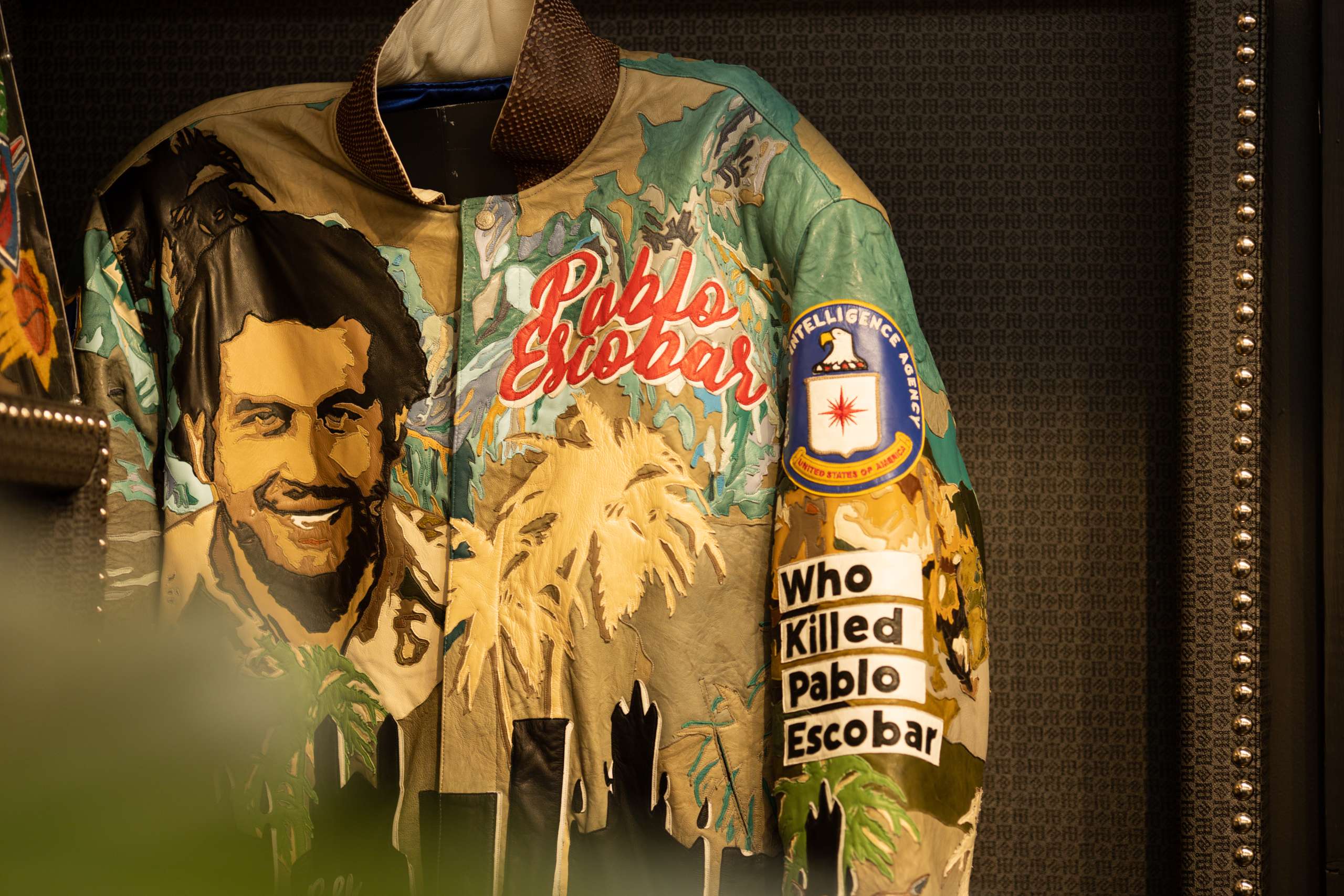
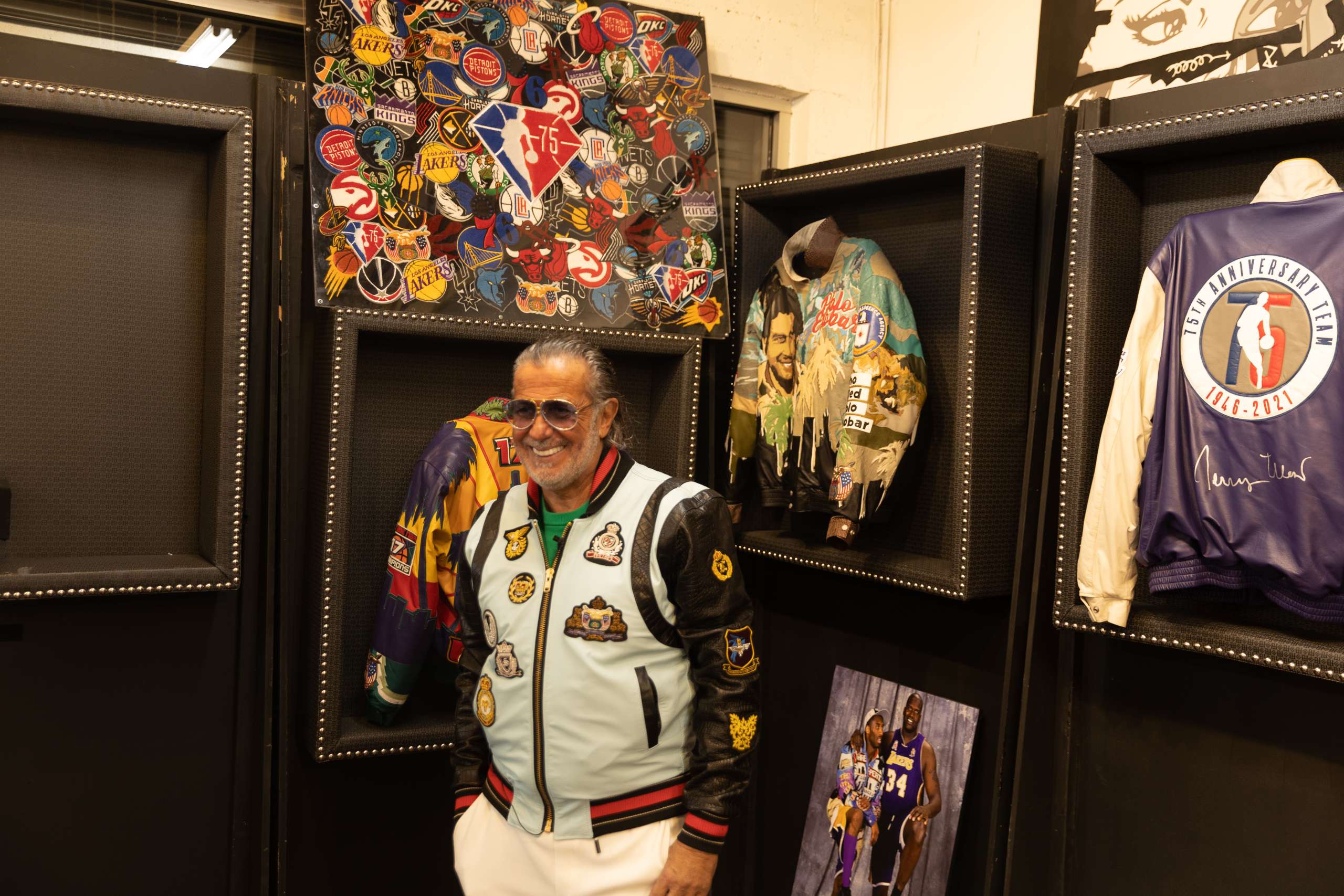
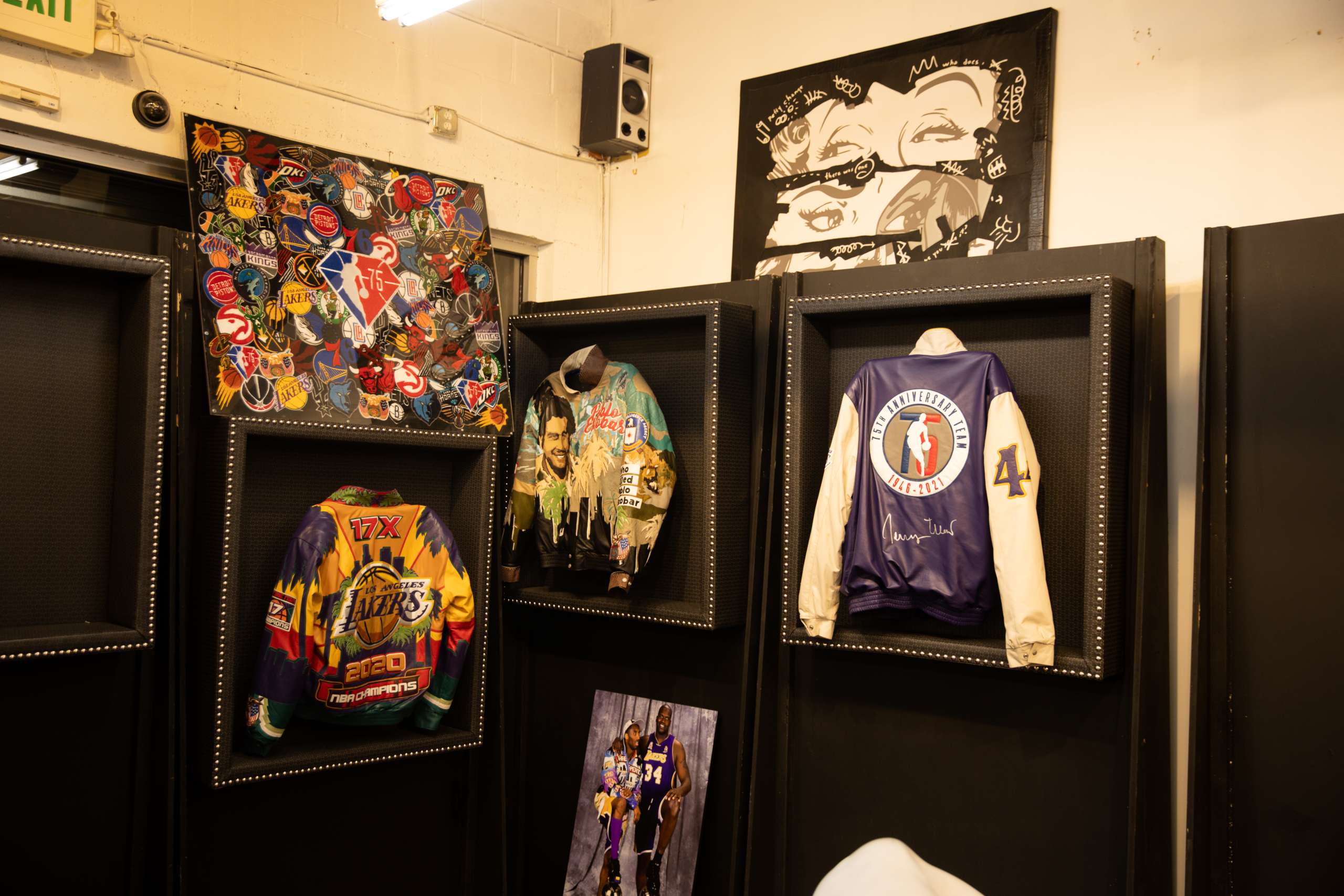
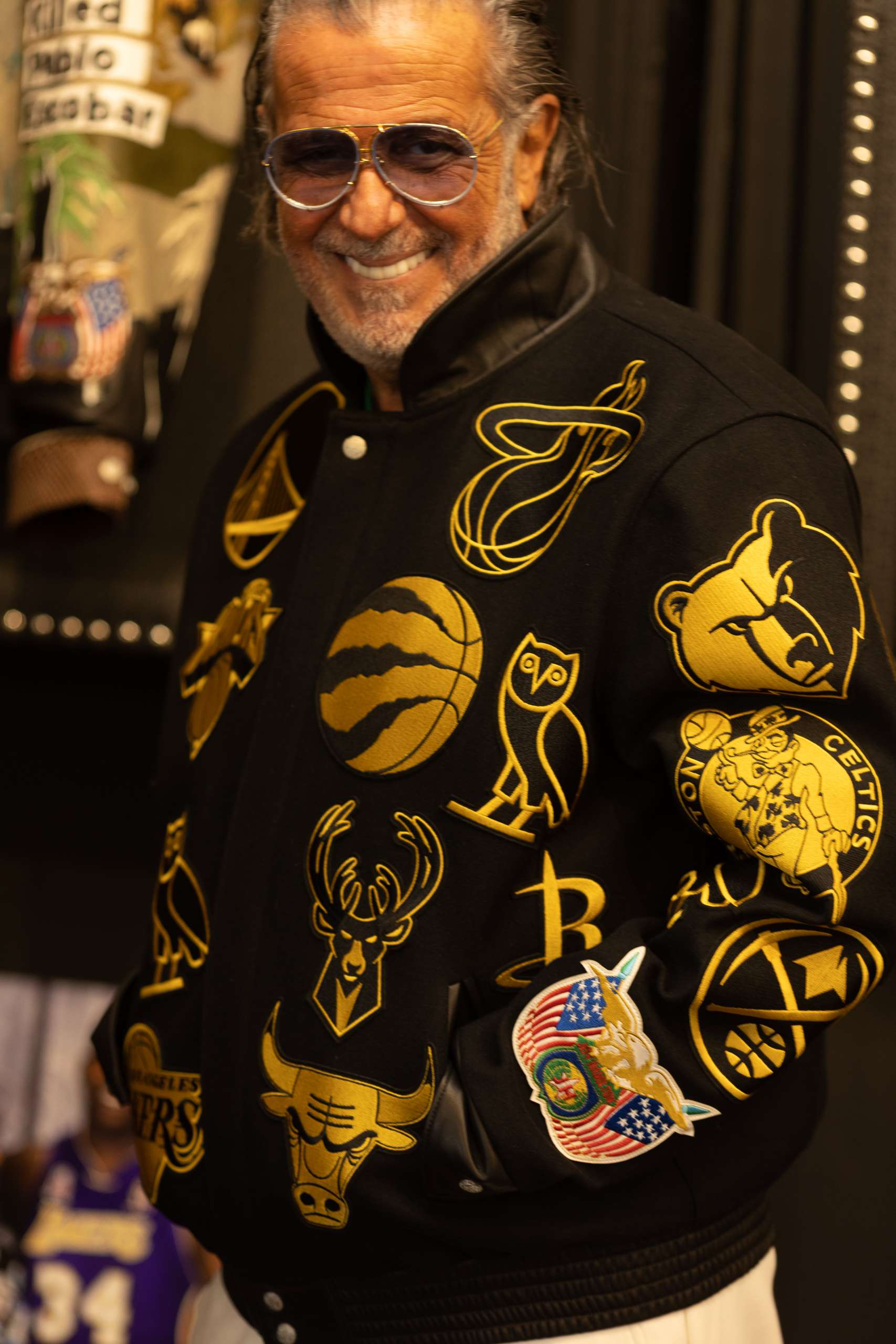
Jeff Hamilton: LAPSOFLUX photo gallery
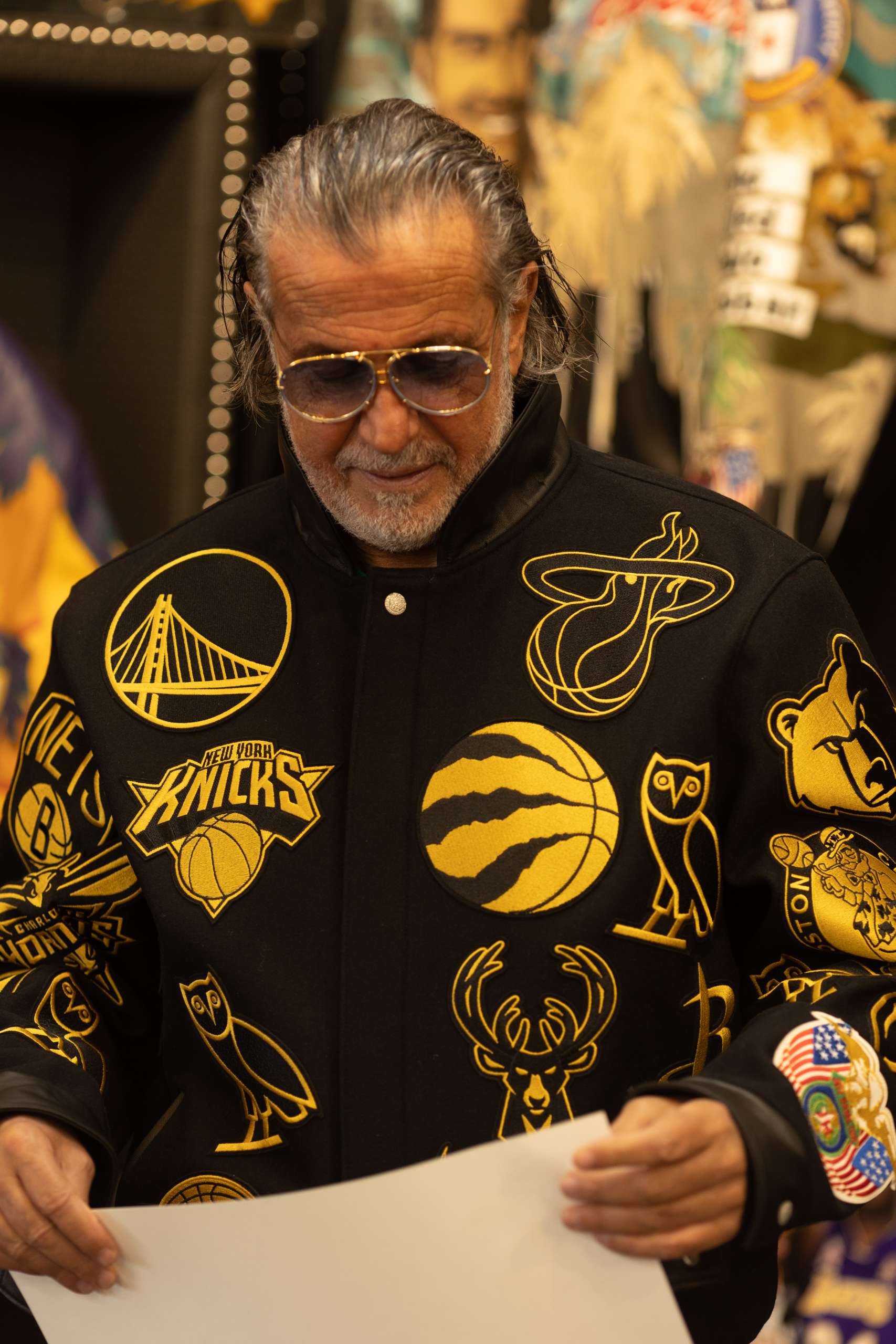
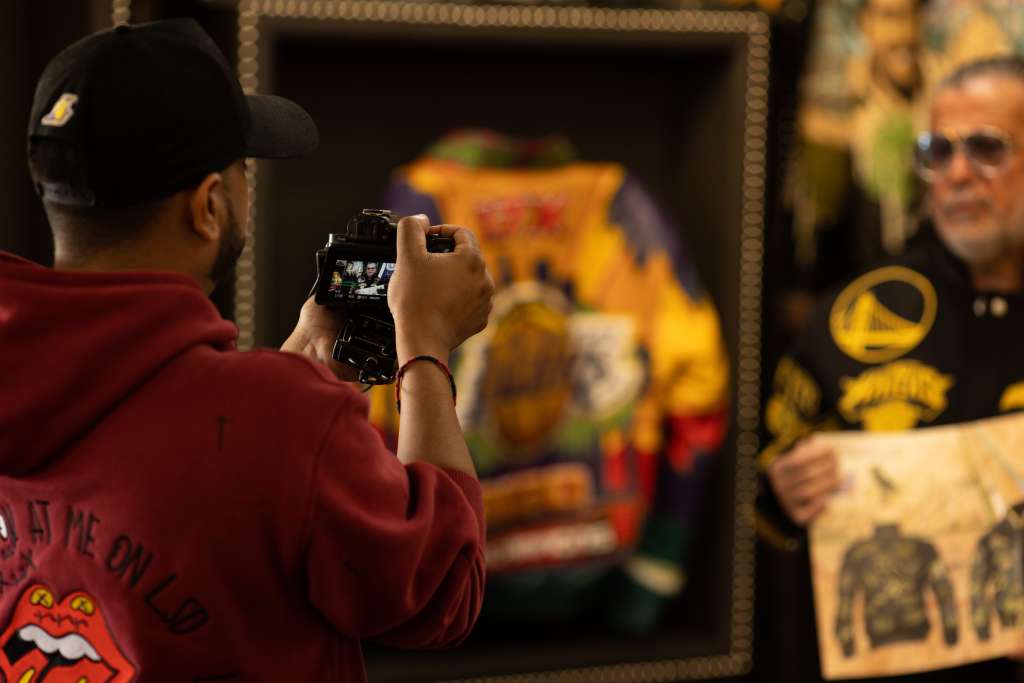
A selection from the editorial portrait session photographed by Gurjit Badal.
The Kobe jacket that became a signature
Asked which sports jacket remains his most iconic, Hamilton does not hesitate: “The Kobe piece. That’s probably my most famous jacket ever!” He recalls a particular image from the NBA Finals, with Kobe Bryant holding the championship trophy while wearing the jacket. For Hamilton, the garment’s meaning grew over time, becoming inseparable from the athlete’s story and the emotion fans attach to that moment.
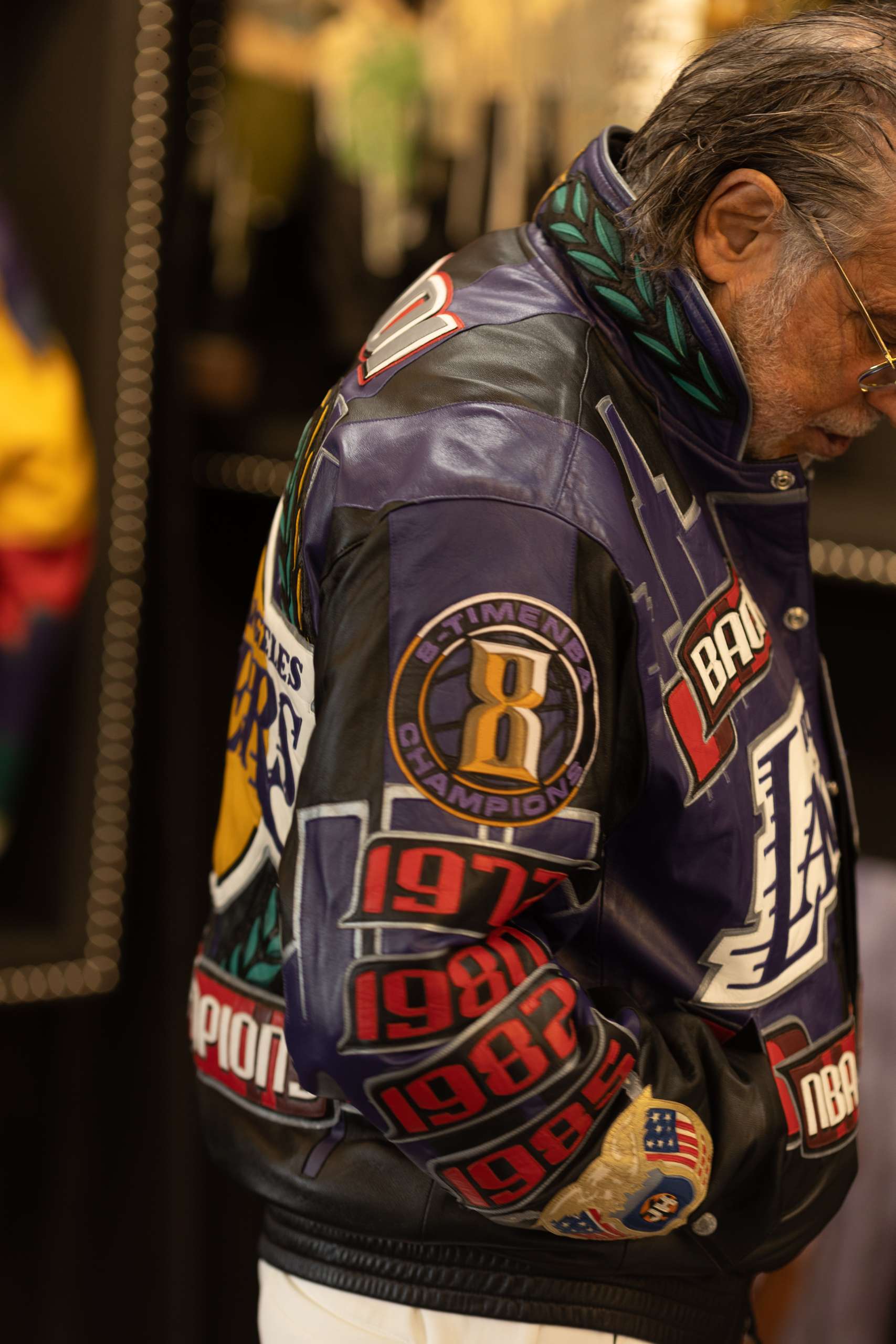
The 2001 edition, he explains, evolved from his 2000 Lakers championship jacket. He wanted to capture the feeling of Los Angeles through its skyline and a stronger use of purple. “It worked out so perfectly,” he says, describing a design that also carried the team’s back-to-back achievement and its championships through the years. That combination of local reference, team identity and personal memory helps explain why a jacket can operate as both fashion and archive.
Hamilton’s approach depends on translating a large story into details people can read at a glance. Color, imagery and placement do the immediate work; construction and finish reward a closer look. The result is expressive without being generic: a piece tied to a specific team and time, but built to live beyond a single season.
Collaboration with a point of view
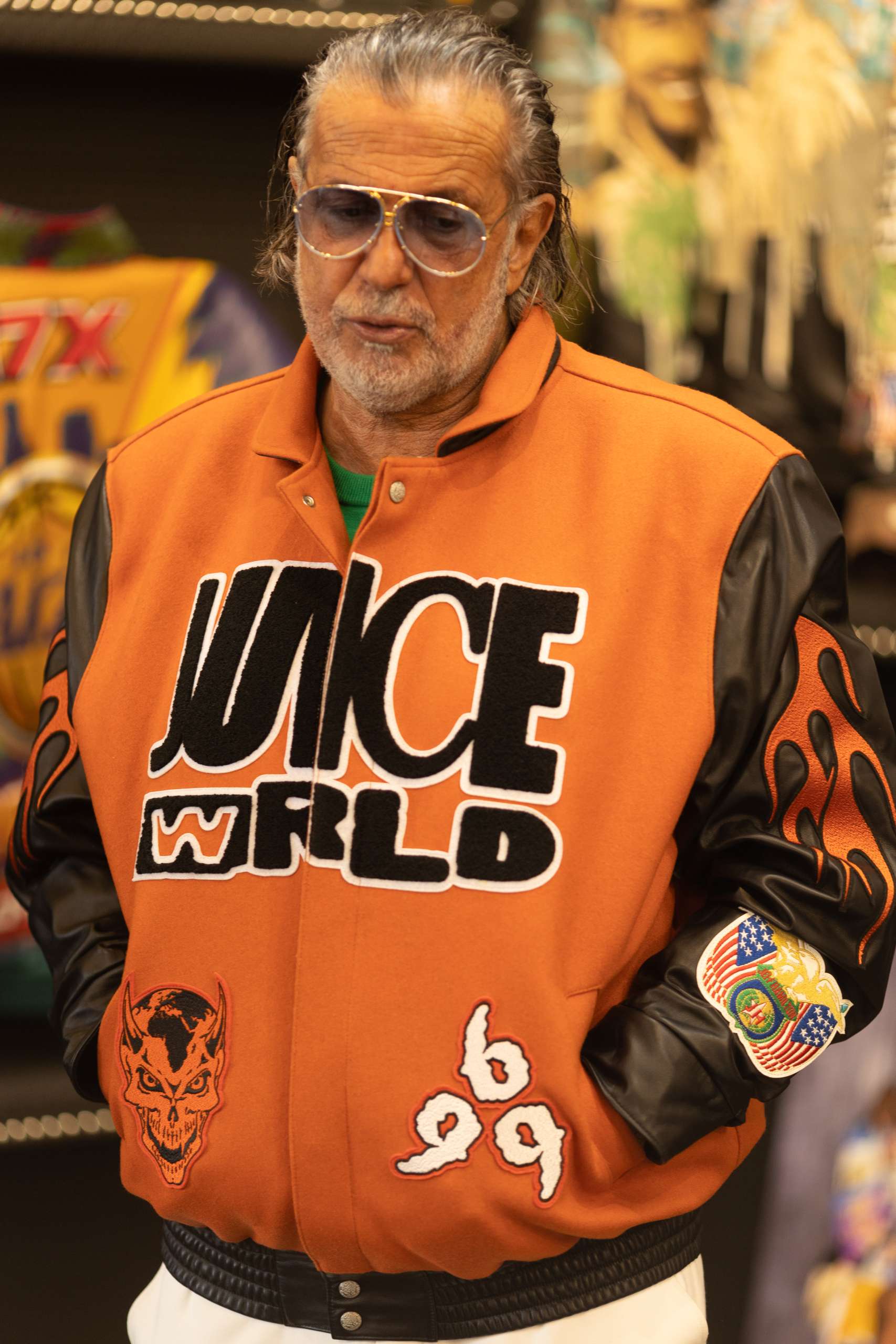
The conversation also turns to a limited collection honoring Juice WRLD. Hamilton describes the project as a collaboration with Amazon Music, with a release of just 100 pieces. The team wanted to celebrate the late artist’s life through a capsule that felt meaningful while remaining more accessible than some of his other work. Hamilton recalls using wool and leather for a varsity-jacket direction, bringing the project into a familiar form while keeping the tribute at its center.
He says he worked with the artist’s managers and family, drawing on images they felt represented him. That process shows the responsibility involved in designing around a person’s legacy. The goal is not simply to place a name or face on a garment; it is to create something that reflects the person’s own style and would feel authentic to the people closest to them.
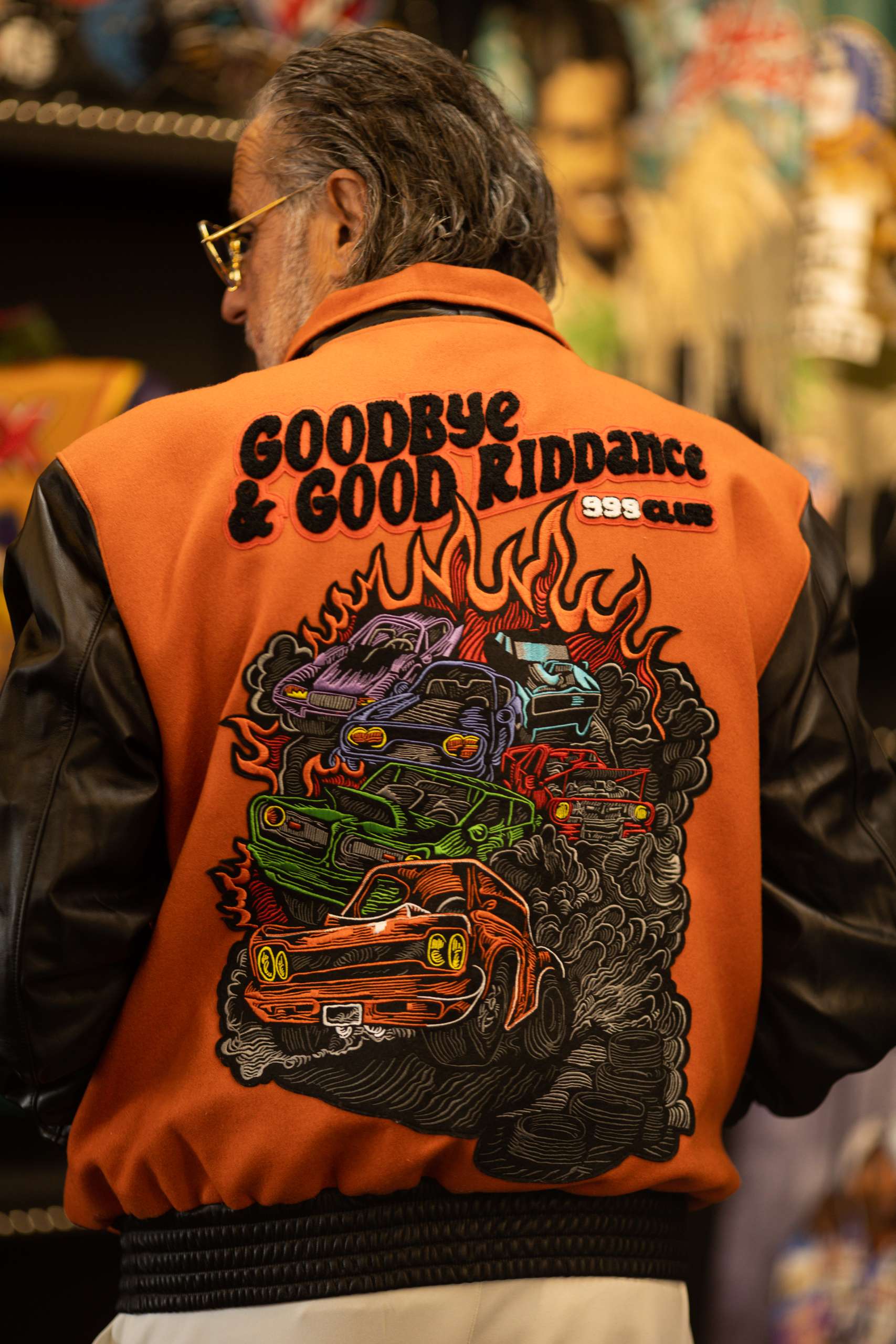
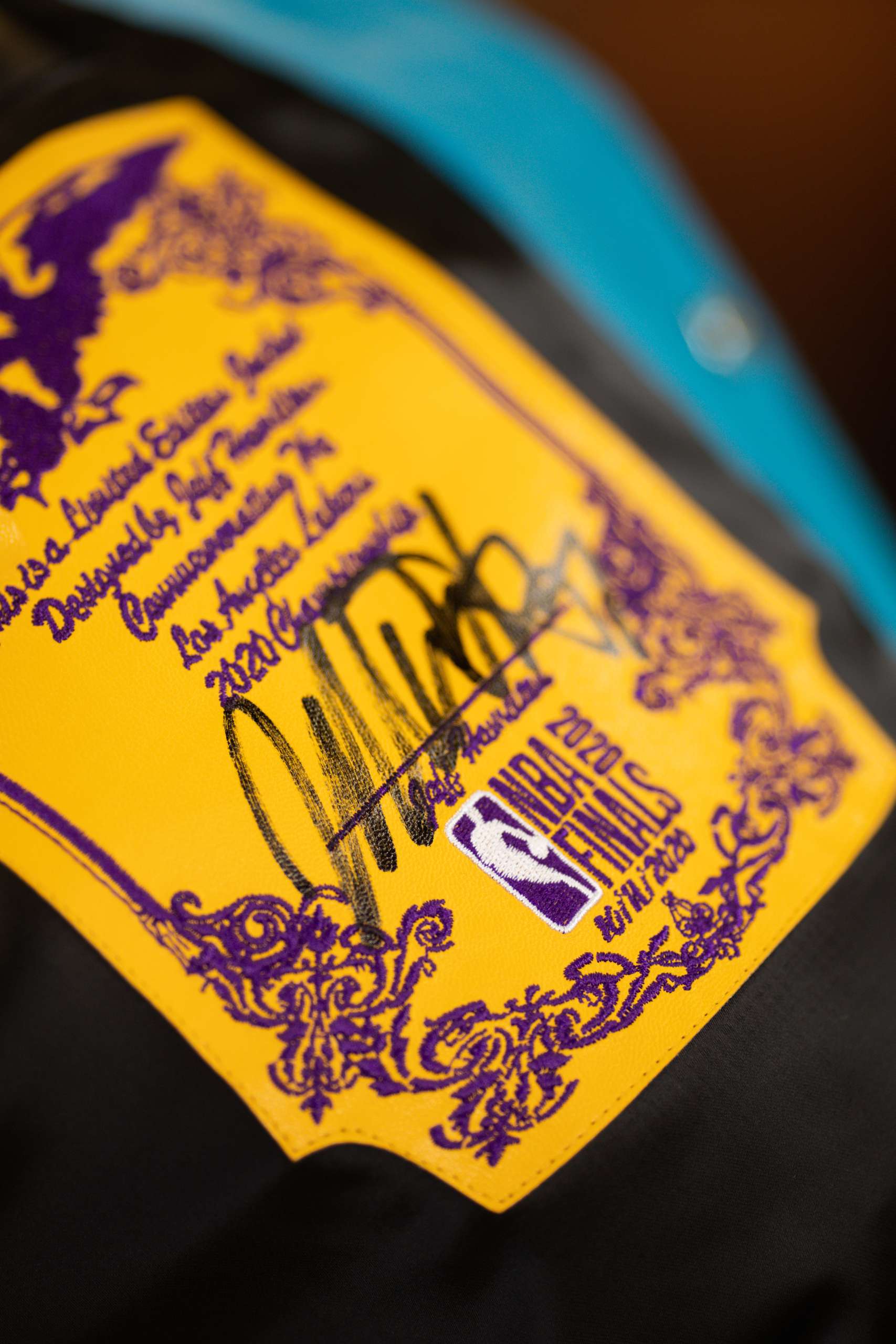
His OVO collaboration with Drake and the NBA took a different collector-focused route. Hamilton says the project was a second collaboration with OVO and that 250 limited jackets were released. Each came with a limited-edition patch and an original illustration signed by Hamilton. “You’re not only getting a jacket, you’re getting a collectable art-piece that goes with it,” he explains. The package turns the garment into part of a broader object: wearable design paired with a piece of the creative process.
Creative discipline behind the image
Behind the highly visible pieces is a practical message for emerging designers. Asked what advice he would give, Hamilton says: “put your head down and keep on moving forward. Don’t sit on it. Don’t feel entitled. Just appreciate what the universe has given you and maximize your potential.” It is concise, direct guidance, and it echoes the persistence required to turn a visual idea into a finished garment.
Hamilton’s interviews show how collaboration and craft reinforce one another. A strong concept provides direction; research, conversations and image selection give it context; the final construction makes it tangible. His sports jackets are often discussed for their public associations, but the process behind them depends on careful choices about what a subject means and how that meaning can be translated into a wearable form.
Why the jackets endure
Hamilton’s work endures because it treats clothing as a medium for storytelling. The best-known pieces connect a wearer to a team, an artist, a city or a moment that already carries emotional weight. Limited quantities add collectibility, while hand-finished details and accompanying artwork give certain collaborations an additional layer of authorship.
That balance between fashion and memory is the through-line in his career. The Kobe jacket is rooted in a championship image; the Juice WRLD capsule was shaped by a tribute and family input; the OVO project paired a limited garment with signed illustration. Each project begins with a different story, but all ask the same design question: how can an object make that story visible without losing its own identity?
For Hamilton, the answer lies in discipline, collaboration and a willingness to keep moving. His jackets are bold, but the ideas behind them are precise. They are made to be worn—and to hold a place in the culture around them.
