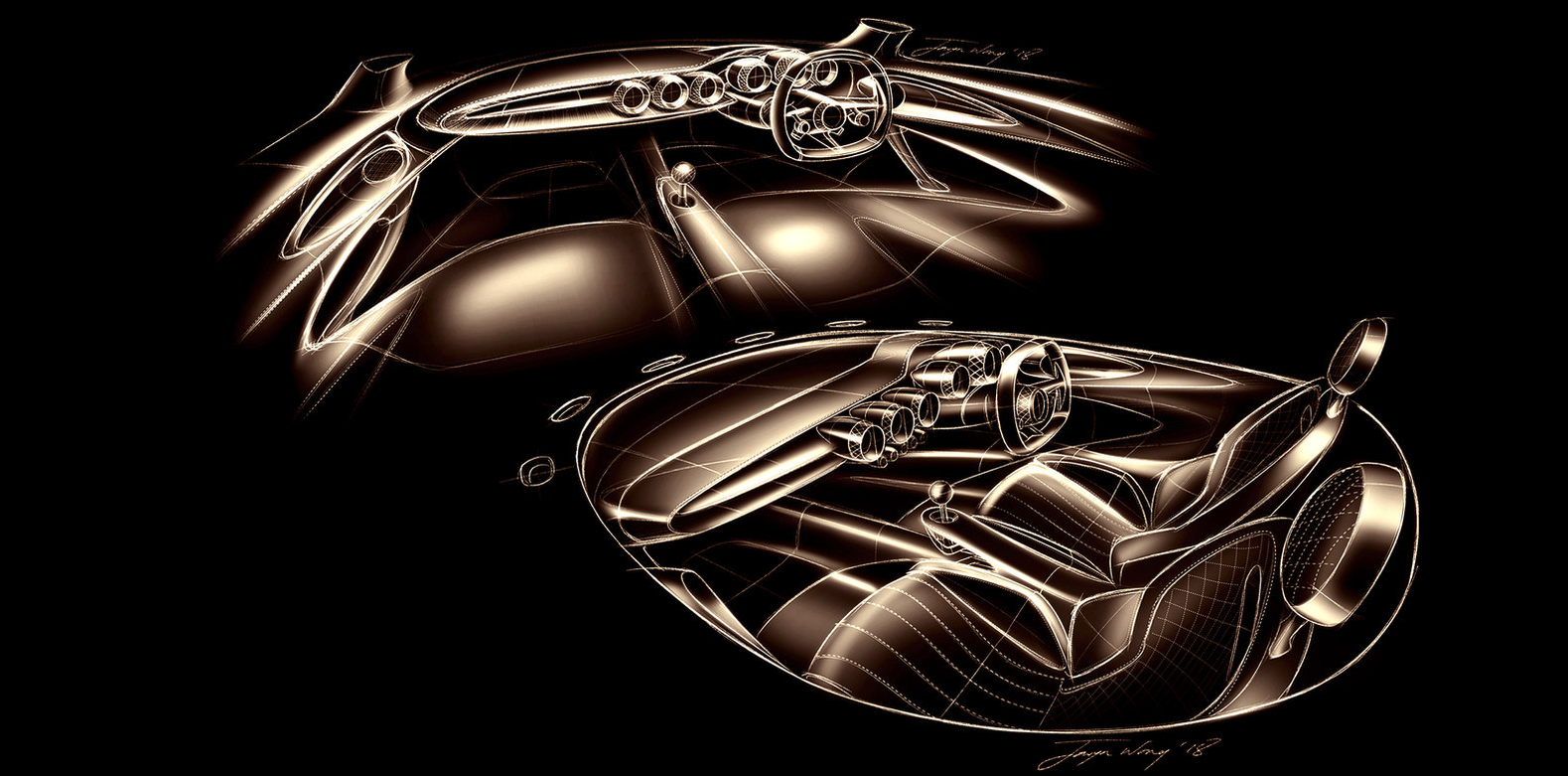
Jowyn Wong—known in the design world as Mr. Wyn—has helped shape a generation of contemporary hypercars through a style that is deliberately difficult to mistake for anything else. His work on the Apollo IE and De Tomaso P72 brings together sculptural surfaces, racing references and a clear sense of brand identity. In this LAPSOFLUX interview, Wong discusses where that visual language began, how he approaches constraints, and why design must serve both emotion and function.

From sketches to supercar design
Wong remembers drawing from an early age. “I was always sketching, whether it’d be sketching animals, anime, nature, and of course cars,” he says. That habit became a way to explore forms and ideas before he had a professional brief. His interest in cars was supported by his family’s enthusiasm for the subject, while his artistic instincts kept pulling him toward the shapes and personalities of automobiles.
His career took a significant step in 2012, when he joined McLaren and worked alongside Frank Stephenson on projects including the P1, 650S and 570S. That experience gave him a close view of how a performance brand builds a coherent design language across different models. It also placed him inside the practical process of turning an ambitious concept into a production-ready vehicle.
Wong’s later work carries that knowledge without being defined by one house style. The challenge for an independent designer is to understand a marque’s identity, then find a new way to express it. That balance—continuity and reinvention—runs through both the Apollo IE and De Tomaso P72.
Apollo IE: racing influence with a natural edge
Wong describes his work with Apollo as a rare opportunity to push beyond conventional expectations. “I was able to let loose,” he says. “I’ve never been the type to follow rules or trends, especially in car design or in the car design community.” The Apollo IE gave him room to build an exterior around a more forceful visual idea rather than smoothing every edge into familiarity.

“The Apollo IE features a large amount of inspiration from LMP1 cars and principles of nature’s design,” he explains. The design’s fins, assertive lines and prominent rear wing express that mix. They are not simply graphic flourishes; Wong says the car was sculpted with aerodynamic performance in mind. The result turns functional references into a visual signature that feels almost biological, with surfaces that appear to tense and channel air around the body.
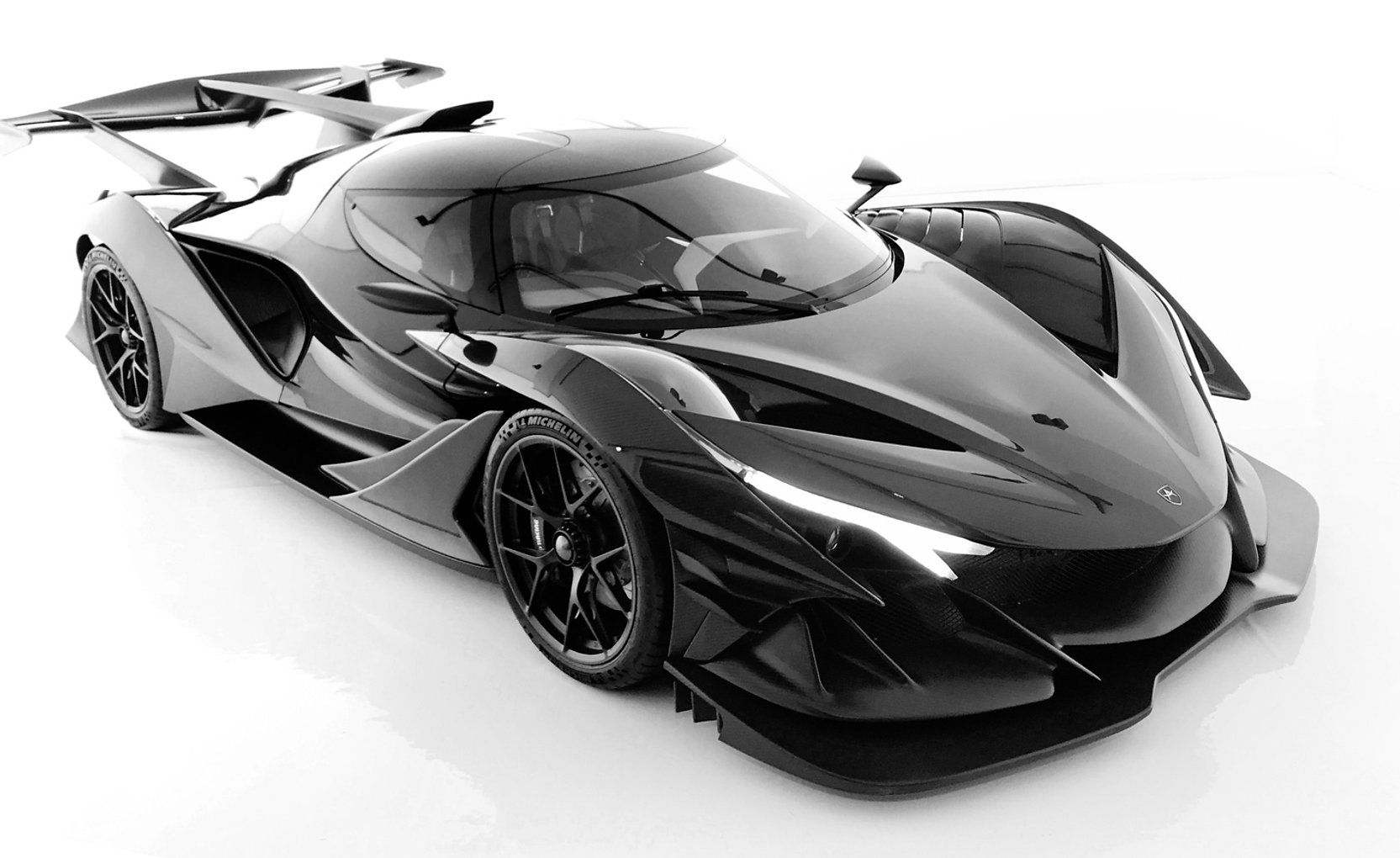
“I wasn’t afraid to realize the entirety of what I had envisioned, with wings, fins, aggressive creases, etc.,” he says. The decision to carry the concept through gave the Apollo IE a strong identity at a time when many hypercars share similar performance ambitions. Wong believes these more expressive details have since become common in the wider category. The IE’s importance, then, lies not only in its own appearance but in how clearly it demonstrates a designer’s willingness to commit to a point of view.
De Tomaso P72: heritage expressed in a modern form
The De Tomaso P72 asks a different question. Instead of beginning with a blank identity, the project needed to respect a name with a history while giving it a contemporary presence. Wong has described the design as a way of connecting the marque’s past to a new generation of performance cars. A successful revival cannot rely on nostalgia alone; it needs to make the brand’s signature feel relevant in the present.


“Design is the silent ambassador for your brand,” Wong says. That idea is especially useful when a car must communicate a marque’s identity before a driver has turned a wheel. Proportion, surface treatment and detail can signal whether a vehicle feels connected to its lineage or merely borrows a familiar badge. Wong’s approach is to supplement the brand’s signature while carefully preserving what makes it recognizable.
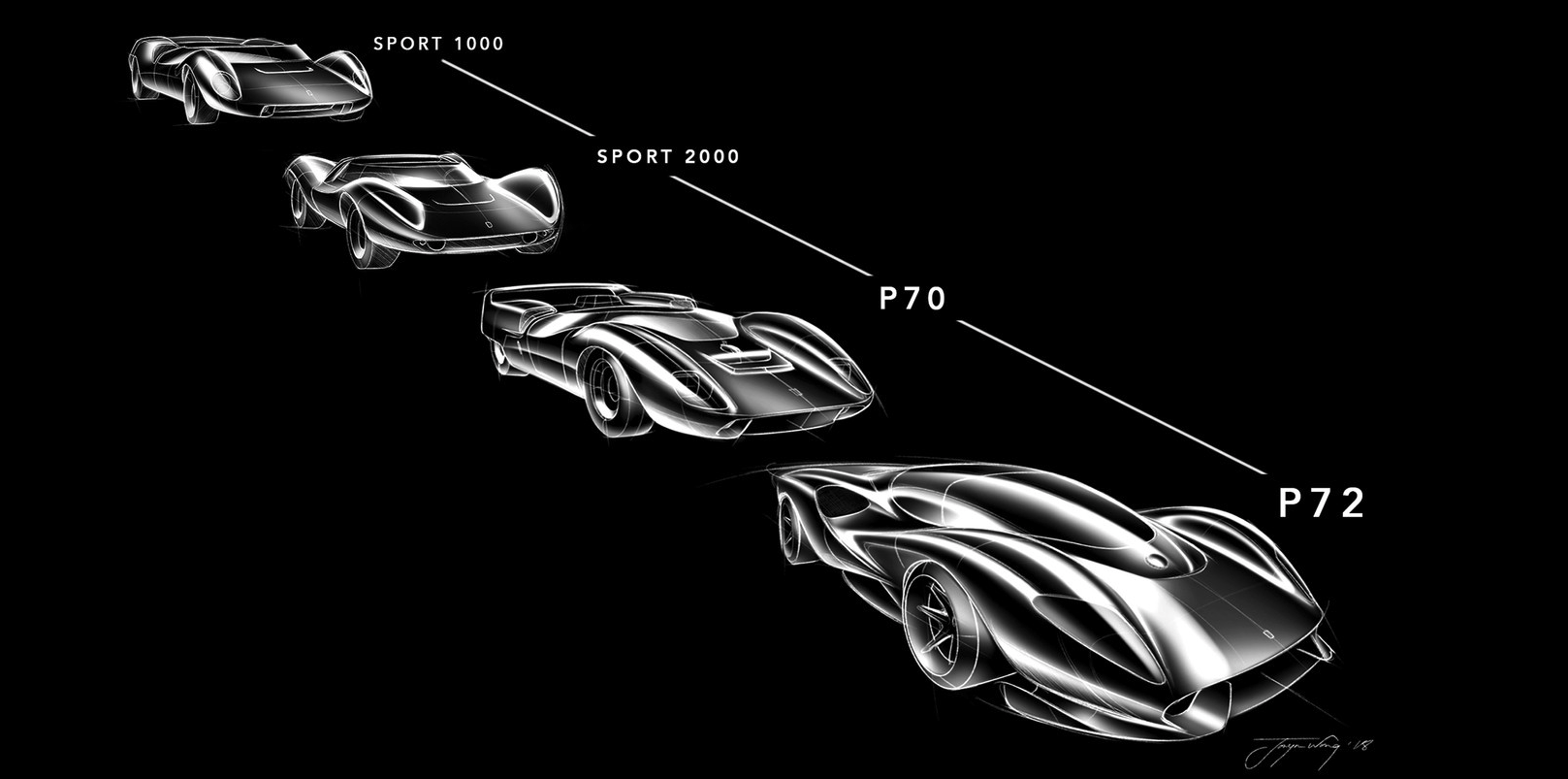
The P72’s visual character is more measured than the Apollo IE’s, but both projects share a strong sense of authorship. One channels the drama of racing machinery and natural forms; the other is shaped by the task of carrying history forward. Their contrast shows the range in Wong’s work: design is not a signature flourish repeated on every car, but a method of finding the right visual language for each brief.


Regulations, collaboration and the realities of execution
Wong is candid about the pressures behind a supercar. “The biggest challenge is largely on the regulation,” he says. “It’s like designing in a box, within a box, within a box.” Safety, packaging and technical requirements place boundaries around the initial idea. A concept must remain expressive while accommodating the systems and real-world demands that make a road car usable.
He emphasizes the value of a capable team: designers need partners who can execute the intention while helping navigate constraints. For Wong, regulations can become a prompt to refine the work rather than a reason to abandon it. “I just see this as an excuse to make the design better and the overall product better resolved,” he says. The process is a dialogue between ambition and feasibility, where each iteration can make a form clearer and more purposeful.
What comes next for hypercar design
Wong sees the automotive landscape changing rapidly. “Electronification is the buzzword these days, and I fully embrace it. I can’t wait to work on an EV platform that is truly radical,” he says. Electrification offers designers new packaging possibilities and a chance to rethink how performance is expressed. He also expects Chinese brands to disrupt established markets as they expand into the West, with competitive products and features.
Even as powertrains evolve, Wong believes the emotional role of the hypercar will remain. “The good news is, hypercars will always be here to stay!” The category allows designers to explore proportion, identity and performance with unusual freedom. Wong’s work demonstrates why those cars continue to fascinate: they are not only feats of engineering, but visible arguments about what a machine can look and feel like.
From his early sketches to the Apollo IE’s aerodynamic intensity and the P72’s dialogue with heritage, Wong’s career is defined by a willingness to make clear design decisions. He pushes ideas until they become legible, then works with teams to resolve them within the constraints of a real vehicle. That combination of imagination and discipline is what gives his cars their presence—and what makes Mr. Wyn a distinctive voice in modern hypercar design.