
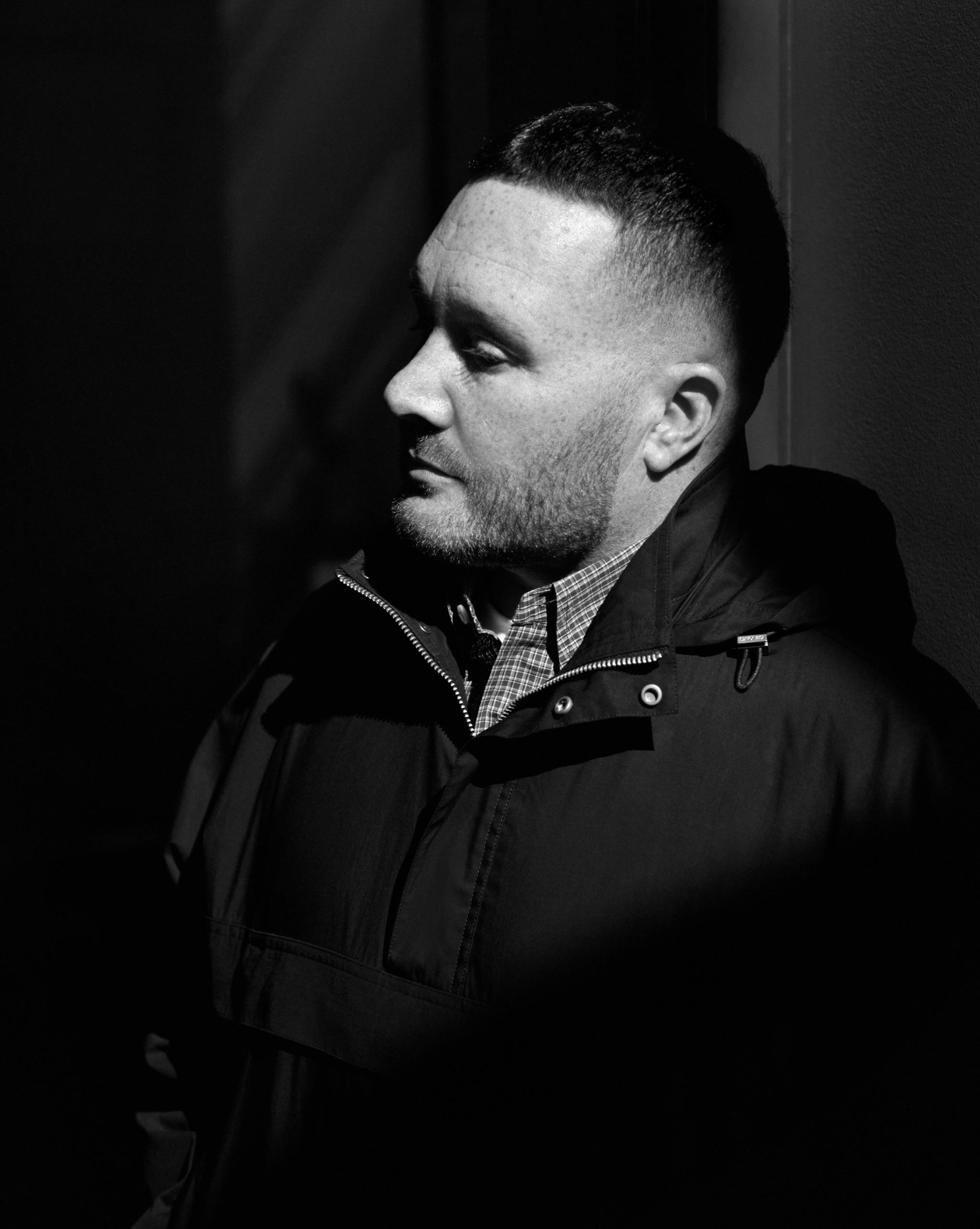
After shaping some of the world’s most recognizable luxury houses, Kim Jones is returning to the most personal label of all: his own. The British designer has announced a namesake fashion brand for Fall/Winter 2027, reconnecting with an independent creative identity he first established early in his career. For an industry accustomed to seeing designers interpret established archives, the decision offers something different: an opportunity to discover what Jones wants to build without a historic maison setting the parameters.
What is Kim Jones launching in 2027?
The announced label is KIM JONES, a separate venture from the houses he previously led. The collection is planned for Fall/Winter 2027; the first sales are scheduled online in mid-2027, with a Hong Kong flagship to follow. These are launch plans, rather than an available collection.
Jones first established an eponymous label in 2003, before moving into influential roles at Dunhill, Louis Vuitton, Fendi and Dior Men. Those appointments helped define his reputation as a designer who understands the relationship between luxury craft, street culture, art and contemporary collaboration. His work has repeatedly demonstrated that a fashion house can respect its history while speaking to a new audience.
Returning to his own name after nearly two decades carries a particular significance. At an established house, a creative director is entrusted with a legacy that existed before their arrival and will continue after their departure. With a namesake brand, the designer’s interests become the organizing principle. The collection can reflect a personal philosophy rather than an interpretation of inherited codes.
That freedom also brings responsibility. A recognizable name may generate attention, but a lasting independent label needs a distinctive wardrobe, coherent production standards and a sustainable relationship with customers. The test will be whether the new project becomes a genuine fashion business rather than a retrospective celebration of its founder’s career.

What will define the new collection?
The first collection is planned for Fall/Winter 2027, with an online launch in mid-2027 through the brand’s own website. Reports on the announcement describe a versatile wardrobe that is not confined by traditional gender categories. Clothing will be produced predominantly in Japan, while leather goods will be made in Italy, bringing together two countries strongly associated with specialized manufacturing and design expertise.
These production choices are telling. Japan is renowned for its technical precision, textile innovation and thoughtful approach to everyday clothing. Italy remains an international center of leather craftsmanship. The combination suggests that the brand intends to make material quality and construction central to its identity, rather than relying solely on the power of the designer’s name.
Versatility is another important theme. Luxury wardrobes are increasingly evaluated not just by their visual impact but by how they move through a person’s life. Pieces that work across settings and identities can become more meaningful than garments created for a single moment. The promise of a less rigid approach to categories reflects the way many contemporary customers already dress.
Why is the first Kim Jones store in Hong Kong?
The label plans to open its first flagship at Central Yards in Hong Kong in October 2027. Henderson Land’s announcement confirms a roughly 4,000-square-foot store over two levels, with terraces and views towards Victoria Harbour. Choosing the city as an early physical home signals an international outlook and an understanding of Asia’s importance to contemporary luxury. Jones has longstanding connections to Asian fashion and creative culture, making the location more than a purely commercial decision.
A flagship store is also a chance to articulate a brand beyond clothing. Architecture, presentation, service and the rhythm of the space can help translate a designer’s ideas into an experience. For a new luxury label, that physical encounter may be particularly valuable. It offers customers the opportunity to assess materials and proportions firsthand and to understand how the pieces belong together.
The location will nevertheless face the same economic realities affecting the wider luxury market. Strong design does not remove the need for thoughtful pricing, distribution and operations. Jones’s challenge will be to build excitement while preserving the clarity and consistency required for long-term growth.
Fashion, art and the freedom to collaborate
Throughout his career, Jones has shown an instinct for bringing creative disciplines into conversation. His projects have connected fashion with artists, musicians and designers in ways that helped broaden the audience for luxury menswear. His separate Aman Essentials collaboration, for example, translates travel and practical clothing into a wardrobe shaped by the resort group’s world. That collection should not be mistaken for the new namesake line. An independent label may offer more freedom to pursue those interests without the approval structures of a large fashion group.
Yet collaboration alone will not define the success of the venture. The strongest brands develop recognizable design language that survives beyond individual partnerships. Customers need to understand what a Kim Jones garment represents even when it is not attached to another famous name. That identity may emerge through cut, fabric, proportion and the way the collection approaches modern dressing.
There is also a wider industry implication. High-profile designers have often been celebrated for transforming established houses, while independent labels face far greater operational risk. Jones’s move invites a fresh discussion about ownership, creative independence and what success looks like after the pinnacle of luxury-house leadership.
The move sits alongside the questions raised in LAPSOFLUX’s coverage of the luxury slowdown: how can a brand make its product feel worth choosing when reputation alone is insufficient? It also offers a counterpoint to the luxury-house reset explored in our Donatella Versace feature. Here, the important shift is from interpreting an established identity to building a personal one. The first collection will reveal the aesthetic direction, but the decision itself already says something about fashion’s future: the most compelling next move may not be a larger house, but a more personal one.
Launch reporting: GQ, FAD Magazine and Henderson Land’s official announcement. Store renderings illustrate Central Yards; they are not photographs of a completed Kim Jones boutique.