

Luxury travel is not simply about paying more. It is about using money, access and planning to remove friction, protect time and experience a destination at its best.
The most memorable journeys rarely depend on the largest suite or the most expensive bottle in the room. They come from intelligent choices: selecting the right neighbourhood, arriving at the right moment, booking the experiences that cannot be recreated later and leaving enough space for discovery. This is the difference between a costly trip and a genuinely luxurious one.
What Luxury Travel Should Actually Buy You
At its best, luxury buys four things: time, access, privacy and confidence. Time means a well-located hotel, a smooth airport transfer and a concierge who can solve a problem before it interrupts the day. Access means a table, room, guide or cultural experience that would be difficult to arrange independently. Privacy means choosing when to engage with a destination and when to retreat. Confidence means knowing the important details have been handled properly.
Before reserving a hotel, look beyond the star rating. Ask whether the location fits the purpose of the trip. A celebrated resort may be perfect for three days of seclusion but frustrating for a city itinerary. A fashionable city hotel may place you near nightlife while sacrificing quiet, space or easy transportation. Map the places you genuinely expect to visit and calculate the travel time at the hours you will actually be moving.
Then study the room category carefully. In many properties, the meaningful upgrade is not extra square footage but a better view, outdoor space, club access, a quieter floor or flexible check-in. Compare what is included rather than focusing only on the room name. Breakfast, transfers, resort credits, lounge access and late checkout can change the real value of a rate.
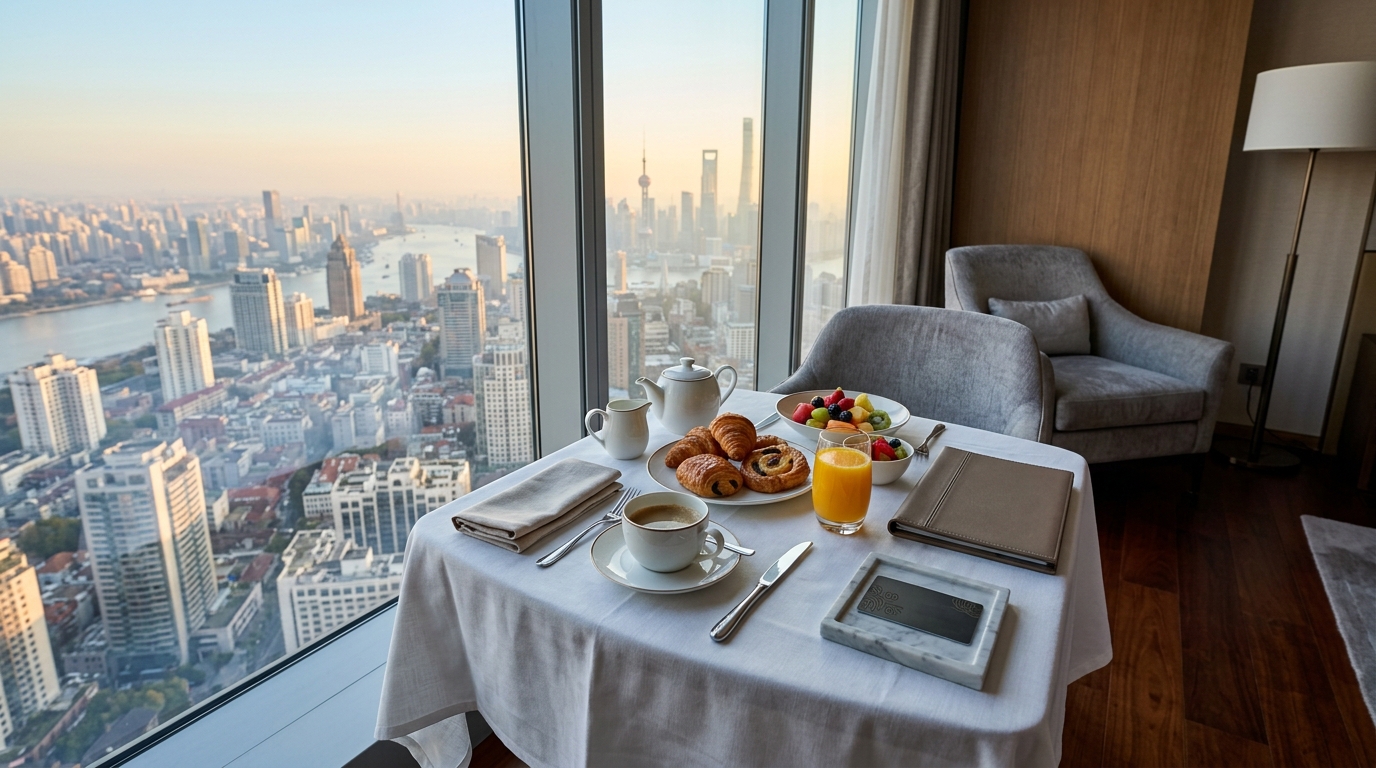
Service is harder to judge online, but there are signals. Clear pre-arrival communication, thoughtful questions about preferences and direct answers about transportation or dining usually indicate an organized operation. Endless promotional language without practical detail often indicates the opposite. Luxury should feel precise, not complicated.
Price also needs context. Rates rise sharply around Formula 1, Art Basel, fashion weeks, major concerts and award seasons. If the event is central to the trip, paying a premium for proximity may protect hours that would otherwise disappear in traffic and logistics. If it is not, shifting the journey by even a few days can create a calmer experience and substantially better value. Our deeper guide to why luxury hotels have become so expensive explains what is driving modern room rates and when the premium is worth it.
How to Build a Better Luxury Itinerary
A strong itinerary is edited, not filled. Begin with one anchor experience each day: the reservation, landmark, performance, drive, spa treatment or private visit that would genuinely disappoint you to miss. Build the rest of the day around it and keep travel distances realistic. Two exceptional experiences with room to breathe will usually feel richer than six rushed stops.
Book scarce experiences first, then transportation and accommodation around them. This matters in destinations where restaurants release tables on fixed dates, seasonal resorts have short operating windows or major events compress demand. For everything else, preserve flexibility. Weather, energy and local recommendations can improve a trip only when the schedule has somewhere to move.

Use the hotel concierge strategically. Make precise requests and explain what matters: a quiet table rather than simply “the best table,” contemporary art rather than “something cultural,” or a driver who understands photography stops rather than basic transportation. Specific preferences give a good concierge something useful to work with.
Airport strategy deserves equal attention. A direct flight at a less convenient hour may be more luxurious than a premium cabin with a connection. Private transfers are valuable when arrival is late, the airport is far from the hotel or local transportation is unpredictable. When rail is faster and more comfortable—as it often is between major European cities—it may be the smarter premium choice.
Travel insurance, entry rules and cancellation terms are not glamorous, but they protect the entire investment. Confirm passport validity, visa requirements and any destination-specific rules through official government sources before departure. Keep essential medication, one change of clothing, chargers and important documents in a carry-on. True luxury includes resilience when the journey does not go exactly to plan.

The LAPSOFLUX Standard
We evaluate luxury travel by asking what cannot be understood from a booking page. Does the property belong to its setting? Is the service intuitive without becoming intrusive? Are the dining and wellness experiences strong enough to stand on their own? Does the hotel offer privacy without separating guests from the culture they travelled to experience?
Design matters, but it should serve the stay. A beautiful lobby cannot compensate for poor soundproofing, slow service or an inconvenient location. A dramatic pool may define the image of a property, but thoughtful details—lighting, bedding, temperature control, storage and the speed of problem-solving—often define the memory.

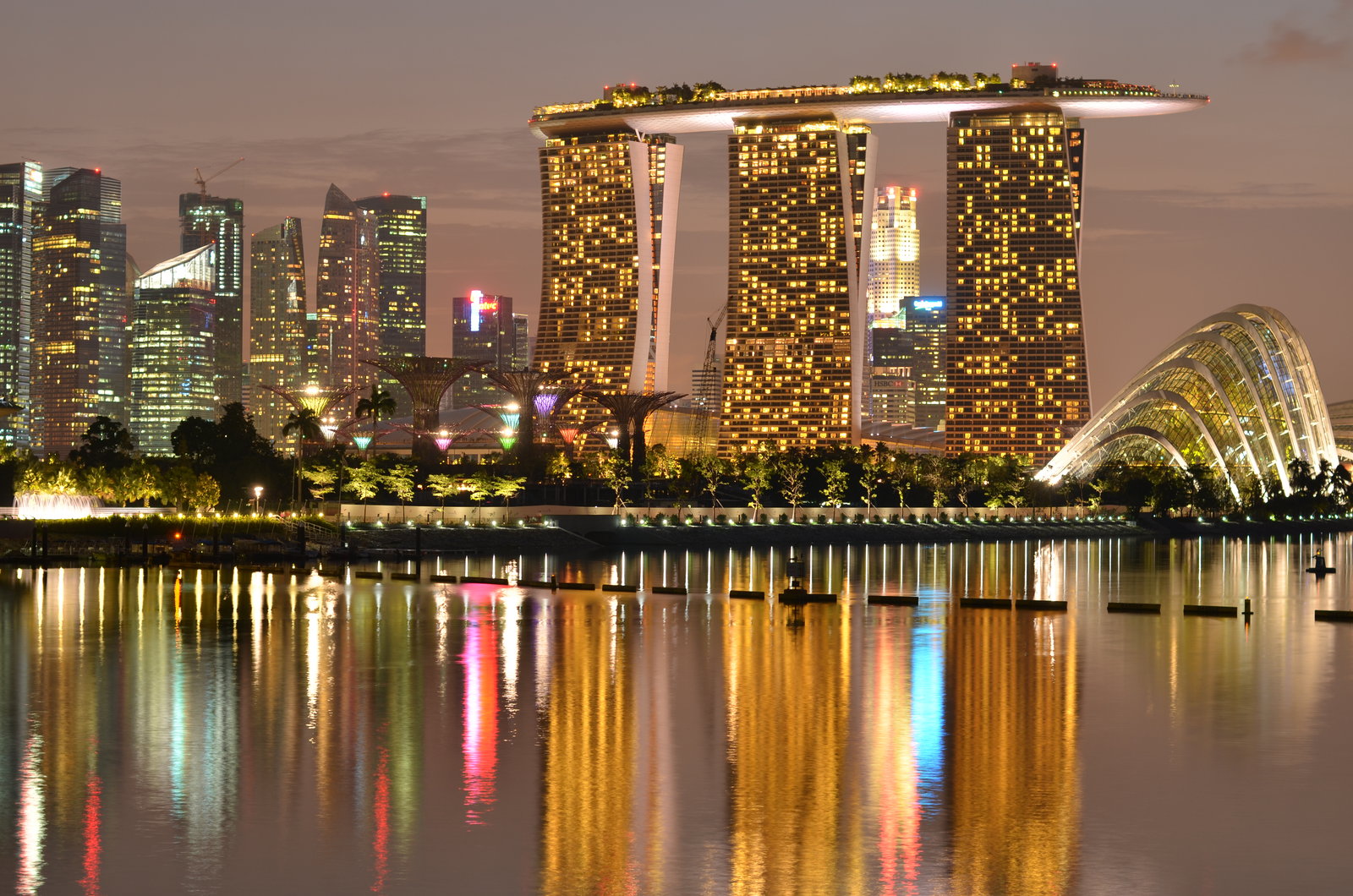
The same principle applies beyond hotels. A yacht, villa, private aviation service or remote retreat should create access and ease that the conventional alternative cannot. Our coverage of Four Seasons Yachts explores how hospitality brands are extending their service philosophy onto the water, while our first-person Marina Bay Sands weekend shows how one well-positioned hotel can connect architecture, nightlife, shopping, gardens and the city skyline.
The final test is simple: did the experience give you a deeper relationship with the place? Luxury travel should leave more than a collection of polished photographs. It should create context, perspective and a story specific enough that it could not have happened anywhere else.
Explore more hotel openings, destination stories, private escapes and cultural journeys in the LAPSOFLUX Travel archive. For press trips, hotel news, destination partnerships or editorial invitations, contact the LAPSOFLUX editorial team.