
A beautiful hotel room has always commanded a premium. What has changed is the size of that premium—and the speed at which it can multiply.
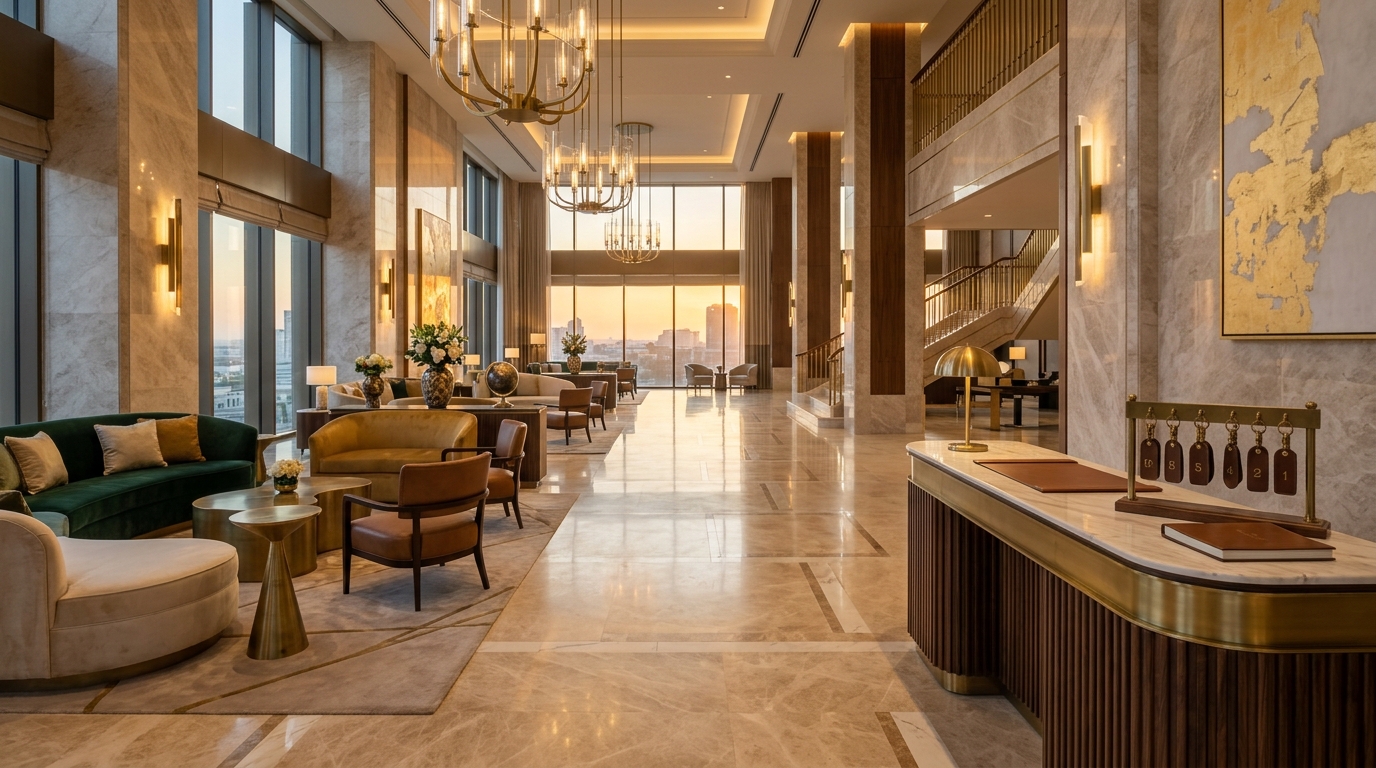
The answer: Luxury hotels are more expensive because affluent demand remains resilient while new supply is constrained by construction, labor, financing and operating costs. In 2026, HVS placed the median development cost of surveyed U.S. luxury hotel projects above $1.6 million per room, while CoStar reported luxury average daily rates rising nearly 6% through April.

Across major cities and resort destinations, luxury travelers are encountering nightly rates that once belonged only to exceptional suites. The explanation is not one simple wave of inflation. It is a collision of strong high-end demand, restricted new supply, expensive construction, rising operating costs and a hotel industry that has become far more precise about pricing every date.
Luxury Demand Has Separated From the Rest of the Market
The first reason is straightforward: affluent travelers are still willing to pay.
Even when other parts of the luxury economy soften, high-end travel can remain resilient because experiences compete differently than handbags or watches. A milestone trip, honeymoon or multigenerational holiday has a fixed emotional window. Guests may reduce other purchases before compromising on the property anchoring that experience.
That demand is allowing leading resorts and city hotels to protect higher average daily rates. CoStar reported that U.S. luxury average daily rates were running just below 6% higher through April 2026, even as performance across lower-priced segments remained more uneven. The result is a widening gap between ordinary accommodation and the most desired properties.
New Luxury Hotels Are Extremely Expensive to Build
Supply cannot respond quickly because building a hotel is slow, capital-intensive and increasingly difficult. The 2026 HVS hotel development survey reported a median development cost of more than $1.6 million per room for surveyed luxury projects.
That number helps explain why new luxury inventory cannot simply appear when demand rises. Land, financing, skilled labor, materials, design, brand standards and years of approvals all enter the cost of every key. Developers need room rates high enough to justify that investment.
In historic city centers and protected coastal destinations, physical and regulatory limits make supply even tighter.
The Cost of Running a Great Hotel Keeps Rising
Luxury hospitality is labor intensive. Guests expect 24-hour service, housekeeping, concierges, chefs, engineers, wellness professionals and teams capable of solving problems invisibly. Wage and benefit costs remain one of the industry’s largest expenses.
Energy, food, insurance, maintenance and technology have also become more expensive. A hotel cannot defer care of a marble lobby, tropical landscaping, pool systems or a signature restaurant without damaging the experience it is selling.
At the highest level, the room rate supports an entire ecosystem—not merely the square footage where a guest sleeps.
Dynamic Pricing Makes Peak Dates More Painful
Hotel pricing now reacts rapidly to concerts, sporting events, conventions, holidays, weather and booking pace. When demand rises, software can increase rates across room categories in real time.
This is why the same room might cost dramatically more one weekend later. Travelers are not only paying for the hotel; they are paying for the scarcity of that exact room on that exact night.
Major global events amplify the effect. Fashion weeks, Formula 1 races, Art Basel, film festivals and holiday weekends compress thousands of high-spending visitors into limited premium inventory.
Hotels Are Selling More Than a Bed
Another factor is the expanding definition of a luxury stay. New properties are investing in destination restaurants, private clubs, thermal circuits, branded residences, longevity treatments, cultural programming and highly designed public spaces.
These amenities create value, but they also increase the capital and operating cost behind every stay. In many cases, the hotel is being positioned as the central experience of the trip rather than its base. LAPSOFLUX’s look inside Rosewood Courchevel Le Jardin Alpin shows how location, design and tailored service converge at the top of the market.
This helps explain why some properties can raise rates even while broader consumer confidence looks uncertain. They are no longer competing only with other hotels; they are competing with entertainment, wellness and access.
What is driving luxury hotel prices in 2026?
| Price driver | How it affects the nightly rate |
|---|---|
| Resilient affluent demand | Top properties can maintain higher rates even when value-focused travel softens |
| Limited new supply | Long development timelines keep desirable rooms scarce |
| Development costs | Median surveyed U.S. luxury projects exceeded $1.6 million per room in the 2026 HVS survey |
| Operating costs | Labor, energy, food, insurance and maintenance raise the cost of delivering luxury service |
| Dynamic pricing | Major events and peak dates trigger rapid rate increases |
| Expanded amenities | Wellness, private-club access and destination dining add cost and perceived value |
Are Luxury Hotels Now Too Expensive?
For many travelers, yes. A higher price creates higher expectations, and that is where the industry faces risk.
Guests may accept a premium for privacy, location, design and service. They are less forgiving when a property charges an exceptional rate while delivering ordinary breakfast, slow service, dated rooms or a long list of additional fees.
Luxury pricing is sustainable only when the experience feels coherent from arrival to departure. The more a hotel charges, the less room it has for friction.
How to Pay Less Without Giving Up the Experience
Flexibility remains the most valuable tool. Move a stay away from the city’s largest event dates, compare Sunday nights with Thursdays and examine the shoulder season rather than only the most famous month.
Hotels.com’s 2026 Hotel Price Index suggests that booking eight to 14 days before travel can be a useful window in many cases, although major events and remote resorts often require much earlier planning. No single rule works for every market.
Travelers should also compare the total stay, not only the headline rate. A preferred-partner booking that includes breakfast, a property credit and an upgrade may outperform a cheaper prepaid rate. Four-star hotels can also deliver stronger value when a guest plans to spend most of the day outside the property.
The LAPSOFLUX Take
Hotel rates are rising because luxury travel has become one of the clearest places where wealthy consumers continue to choose experience over restraint.
But price alone does not create luxury. The winners will be properties that translate costly design, scarce location and complex service into something guests can actually feel. At today’s rates, beautiful is only the beginning. Explore more hotel intelligence and destination reporting in the LAPSOFLUX luxury travel guide.