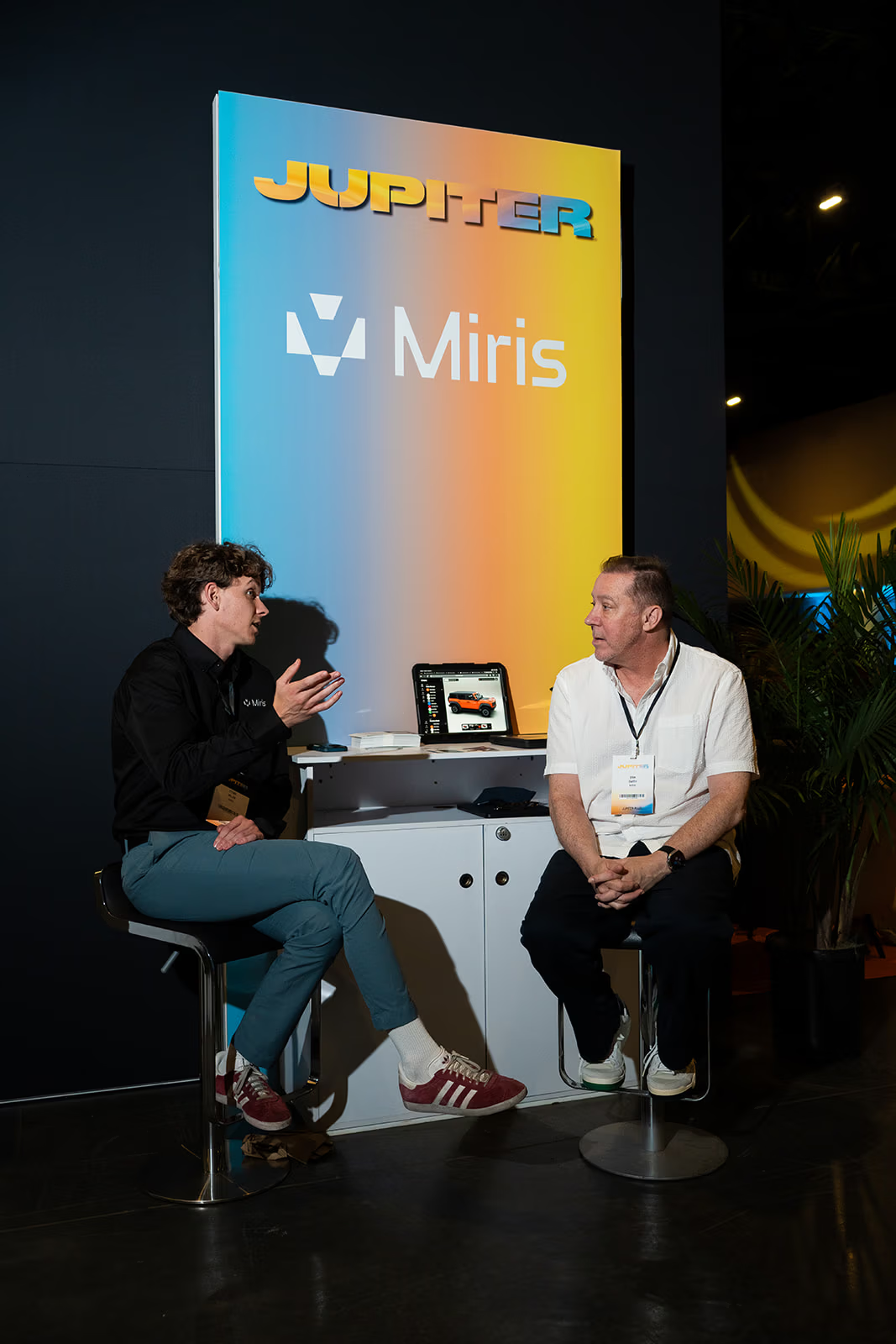
With industry leaders, creators and global brands sharing the stage, Jupiter Festival’s inaugural edition offered a fresh perspective on where content and culture are headed.
Miami has become an increasingly important meeting point for business, entertainment and culture. The city’s appeal extends beyond its beaches and nightlife, attracting entrepreneurs, creative executives and international brands looking to build new relationships.
Jupiter Festival Miami arrived with that energy in mind. Held from October 6 to 9 at the Miami Beach Convention Center, the inaugural festival brought together voices from media, entertainment, advertising, technology and sports.
For founder and CEO William Mellis, the concept began with an opportunity to create something the industry was missing. “We saw a gap in the market and the focus is on the future of content,” Mellis told LAPSOFLUX. He described Jupiter as a festival designed around learning, networking and creating a positive experience for delegates.
Why Jupiter Festival Was Created
Media is changing quickly, but the industries influencing that change are no longer operating independently. Sports organizations are building entertainment businesses. Brands are financing original content. Technology companies are changing how audiences discover stories, while creators increasingly develop direct relationships with their communities.
Jupiter brought these conversations into one setting. Across its programming, the event explored the future of news, artificial intelligence, women’s sports, brand-funded entertainment and the economics of content. From curated meetings to evening receptions, it also created opportunities for conversations to continue beyond the formal programming.
The Brands and Leaders Driving the Conversation
One of Jupiter’s defining characteristics was the diversity of industries represented. Participants and organizations included YouTube, Boston Consulting Group, NBCUniversal Telemundo, The Trade Desk and e.l.f. Beauty, alongside leaders connected to professional sports and entertainment.
Mellis explained that the festival takes a deliberate approach to commercial partnerships. “We have a policy of no pay to play combined with strong editorial standards,” he said. Partners are encouraged to suggest speakers and panels, but proposals must meet the festival’s editorial criteria. He highlighted YouTube, BCG and IAB as important industry partners.
That distinction matters. Mellis underscored that Jupiter has a policy of no pay to play, pairing commercial collaborations with editorial standards rather than offering speakers a stage simply because a brand has sponsored the event. His examples of YouTube, BCG and IAB point to the kind of cross-industry dialogue the festival wants to cultivate. When conferences rely too heavily on promotional presentations, the most interesting conversations can disappear beneath marketing messages. Jupiter’s stated ambition is to bring together commercial relationships and programming that offers genuine value to its audience.
Beyond the Stage: Experiences That Bring People Together
A festival’s identity is shaped as much by what happens between sessions as by the presentations themselves. Reflecting on what best represented the debut, Mellis highlighted the show floor, content, production values, stages and industry networking events. For a first-year festival, that range of experiences is part of the editorial story: not only what audiences heard, but how the gathering brought people together. Jupiter opened with a sunset cocktail gathering and an intimate performance by Third Eye Blind. As the week continued, attendees moved between industry discussions, networking receptions and evening experiences across Miami Beach.
The Jupiter Living Garden Party at the Miami Beach Botanical Garden and Havana Nights at the Royal Palm Hotel helped connect the conference to the city’s hospitality and social scene. Mellis pointed to the show floor, content, production quality, stages and industry networking events as the different ways the festival delivered its original vision.
Speakers, Ideas and the Road to 2027
A strong speaker lineup can attract attention, but the quality of the conversation determines whether a festival leaves a lasting impression. Mellis said speakers are selected based on their relevance to the festival’s themes and whether they bring a powerful point of view.
Rather than identifying one defining session, he acknowledged that his responsibilities as organizer had limited how much programming he could personally attend, although the sessions he did see made a positive impression.
Jupiter has announced its return to the Miami Beach Convention Center from November 2 to 5, 2027. Asked what attendees and partners should expect next year, Mellis kept the answer straightforward: “Basically, bigger and better.” He said the team intends to introduce additional elements while preserving the festival’s original formula.
For a first-year event, that continuity may be just as important as expansion. Jupiter Festival has positioned itself at the intersection of several industries undergoing profound change. Its next challenge will be turning an ambitious debut into an enduring annual meeting place.