

Prada has returned to the top of the Lyst Index, climbing five places in its third-quarter 2026 ranking. Chanel follows in second place, with Miu Miu third. For a fashion house, it is an enviable position: evidence that people are paying attention in an industry where attention is contested every day.
But the most interesting part of the result lies beyond the podium. A ranking of fashion desirability and a company’s financial performance tell different stories. Read together, they offer a more useful picture of contemporary luxury than either can provide alone. Prada can be the hottest name in an online index while still navigating a market in which translating interest into purchases requires considerable work.
That distinction matters to anyone buying, building or covering luxury. A brand can enter the conversation through an image. Becoming part of a wardrobe is a different decision, involving price, usefulness, identity and the confidence that an object will remain desirable after its moment in the feed has passed.
The meaning behind the ranking
Lyst describes its index as a proprietary combination of shopping demand and wider discovery signals. Its methodology incorporates activity from the platform’s 160 million annual shoppers alongside selected social, search, editorial and emerging AI discovery indicators. The ranking covers three months; it is not a measurement of what every consumer around the world purchased.
Those boundaries make the result more intelligible. This is a view of brand momentum within a particular measurement system. It offers evidence of relative interest, rather than a universal verdict on craftsmanship, customer satisfaction or financial strength. A consumer who admires a runway image and another who completes a purchase can both contribute to the broader ecosystem of desire, but their actions are not interchangeable.
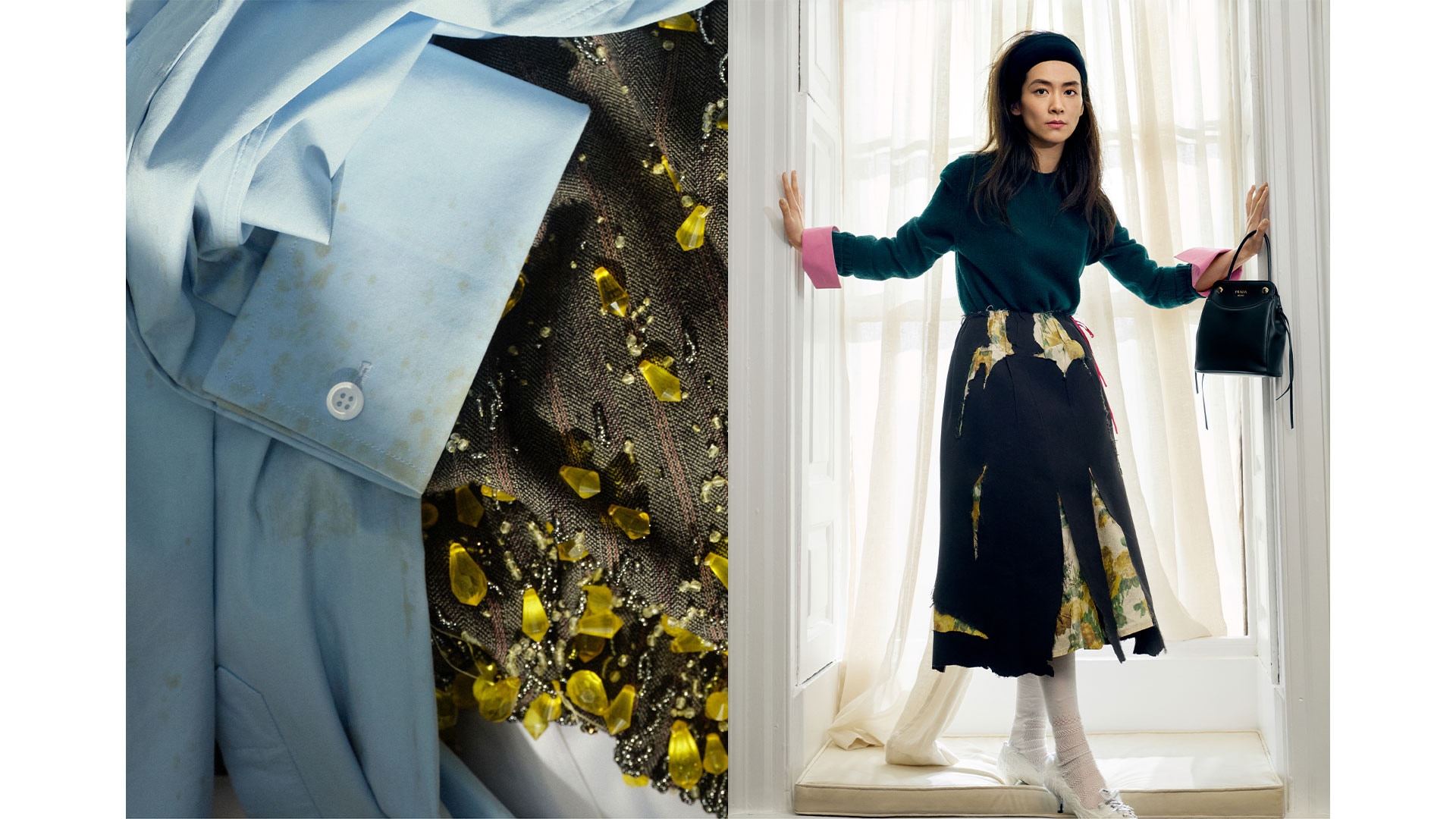
For readers, the distinction removes some of the pressure surrounding the phrase “hottest brand.” A ranking can be a useful prompt to look more closely. It does not make an individual purchase more suitable, or turn personal taste into a competition with a quarterly winner.
Where desire meets the shop floor
Prada Group’s October 22 revenue update supplies a separate perspective. The group reported €4.541 billion in nine-month net revenue, with growth of 15% at constant exchange rates and 4% organically. Its namesake Prada brand recorded retail growth of 2% over nine months and 1% in the third quarter, also at constant exchange rates.
Group growth and brand growth must be kept distinct. The group figure includes businesses beyond Prada itself, including newly consolidated Versace. It would be misleading to present the group’s headline increase as the performance of Prada-branded products alone. Equally, the Lyst result cannot establish which part of revenue came from a specific show, celebrity appearance or viral accessory.
The useful observation is the gap between two kinds of momentum. Cultural attention can move quickly, while purchasing involves budgets and practical constraints. Someone may search for a piece repeatedly before visiting a boutique, compare it with alternatives or decide to wait. Interest can be real without immediately appearing as an equivalent increase in sales.
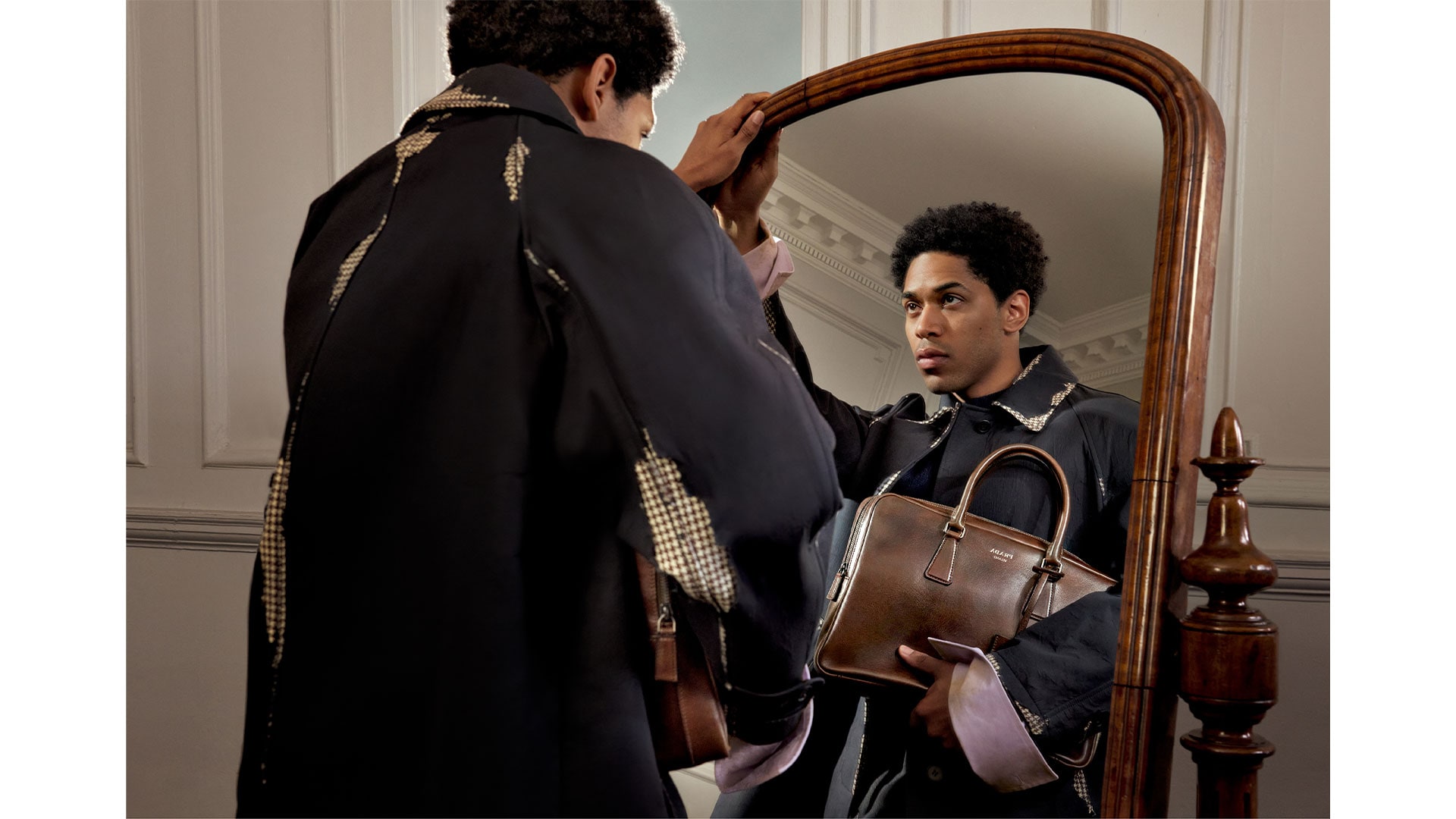
For luxury businesses, that interval is part of the challenge. The product has to survive closer inspection after the image has done its work. Materials, construction, fit, service and the overall experience of buying become relevant in ways a ranking cannot fully capture.
A purchase needs a life beyond the image
For a shopper considering Prada, the best response to the news is curiosity. Try the garment on. Examine how the bag opens, how it sits against the body and whether its proportions work with what is already in the wardrobe. The appeal of a photograph can be immediate; the appeal of living with an object develops through use.
A strong fashion purchase often does two things at once. It expresses something about the present while leaving room for the owner’s interpretation. The item should not require an entire new wardrobe to make sense. Nor should its only virtue be that other people recognize it from a popular post.
This also changes how a luxury story should be photographed. A campaign image shows the brand’s intended world. Detail photography reveals construction and texture. A considered styling image demonstrates scale and movement. Together, those views can give readers more substance than a sequence of celebrity appearances, however compelling those appearances may be.
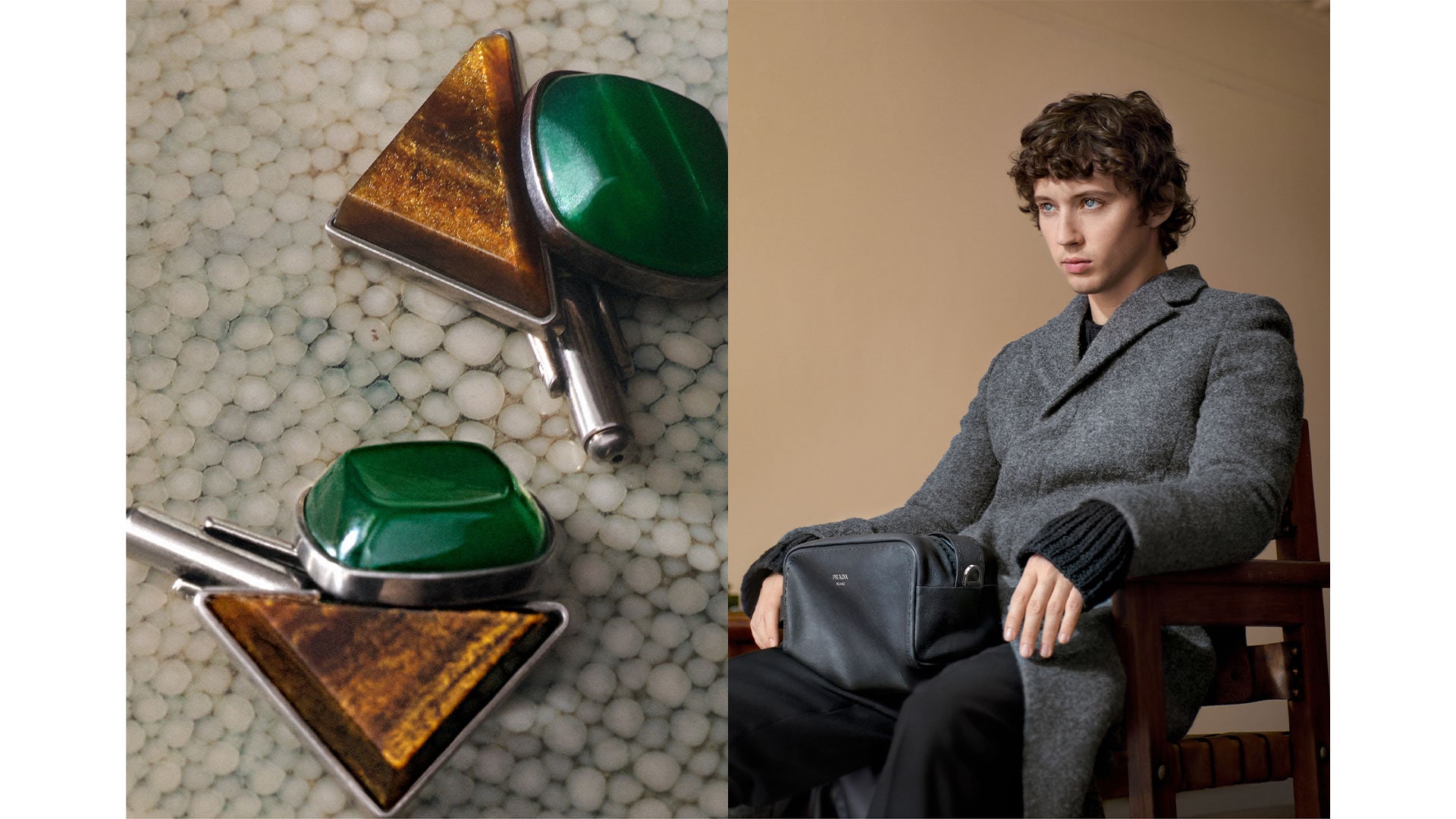
None of this diminishes the creative excitement that drives fashion. It gives that excitement somewhere to go. A desirable design becomes more convincing when the pleasure of looking at it is matched by the pleasure of wearing it.
What lasts after first place
The index offers a snapshot, and snapshots change. Its value is partly in revealing movement: which houses are gaining attention, which are holding it and which face a more difficult task. Prada’s return to first place supplies a clear October headline without resolving the broader questions facing luxury.
For a house, the more durable achievement would be maintaining a recognizable identity while giving customers fresh reasons to return. For a buyer, it is choosing something that continues to feel right when the next ranking appears. Those ambitions meet in the object itself, where a brand’s cultural promise becomes something tangible.
Prada’s current position makes it a compelling house to watch. The richer story will develop through what people do after the search: what they try, what they choose and what they continue to wear long after the headline has moved on.
