Having travelled across the world, I keep finding new reasons to fall in love with the country I call home.
The more I travel internationally, the more I realise how much of India I still haven’t seen. We often find ourselves looking thousands of miles away, planning elaborate holidays around beautiful hotels and distinctive experiences, while places with just as much character are waiting here at home.
Beyond Rajasthan’s palaces, Kerala’s backwaters and Goa’s beaches are small villages, remarkable food cultures, varied landscapes and thoughtful properties that deserve a place on every curious traveller’s list. Two regions I particularly love talking about are Ladakh and Coorg. They could hardly feel more different, yet both offer something I increasingly look for when travelling: a genuine connection with the place.
Ladakh: A village with a story to tell
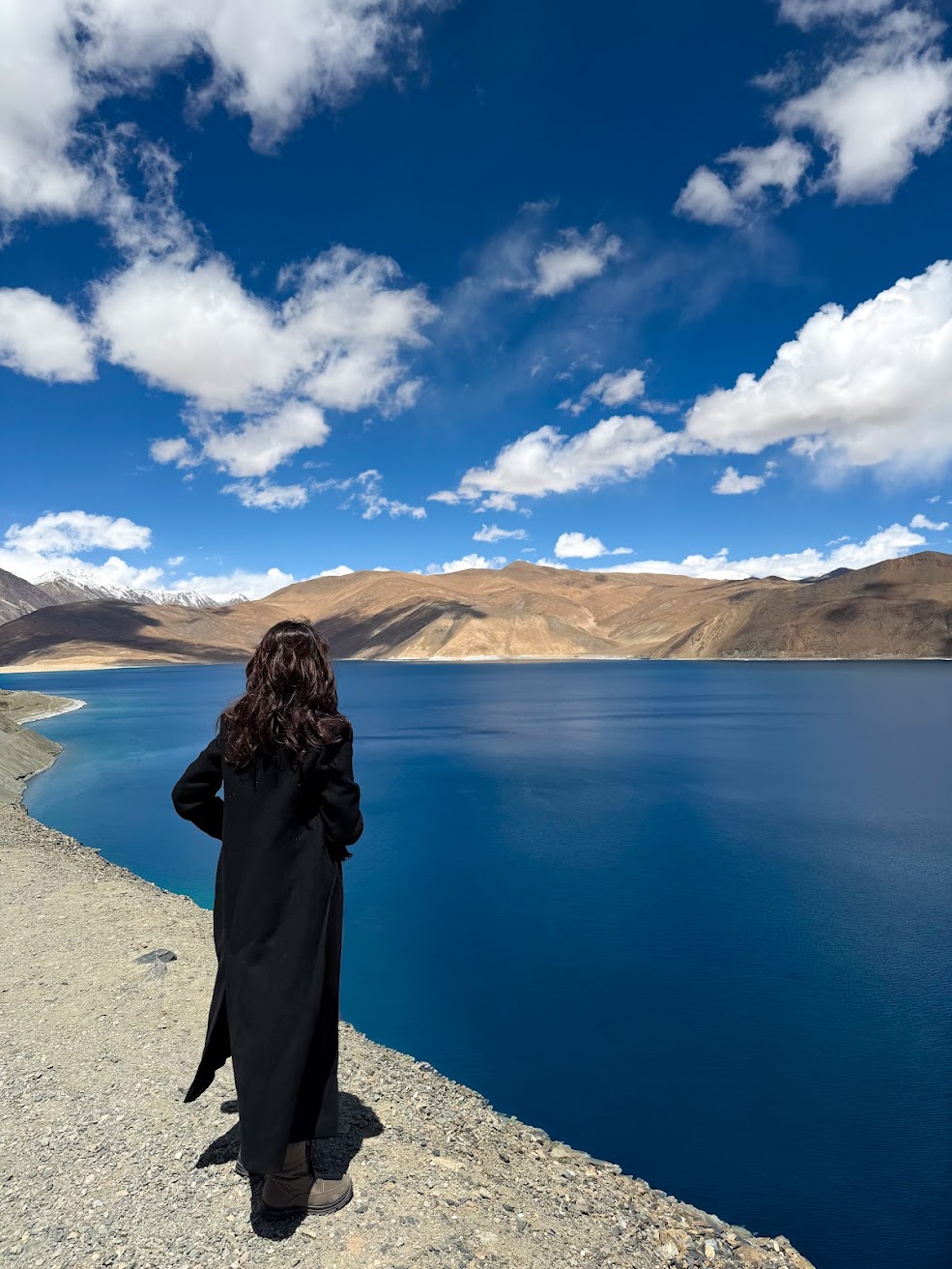
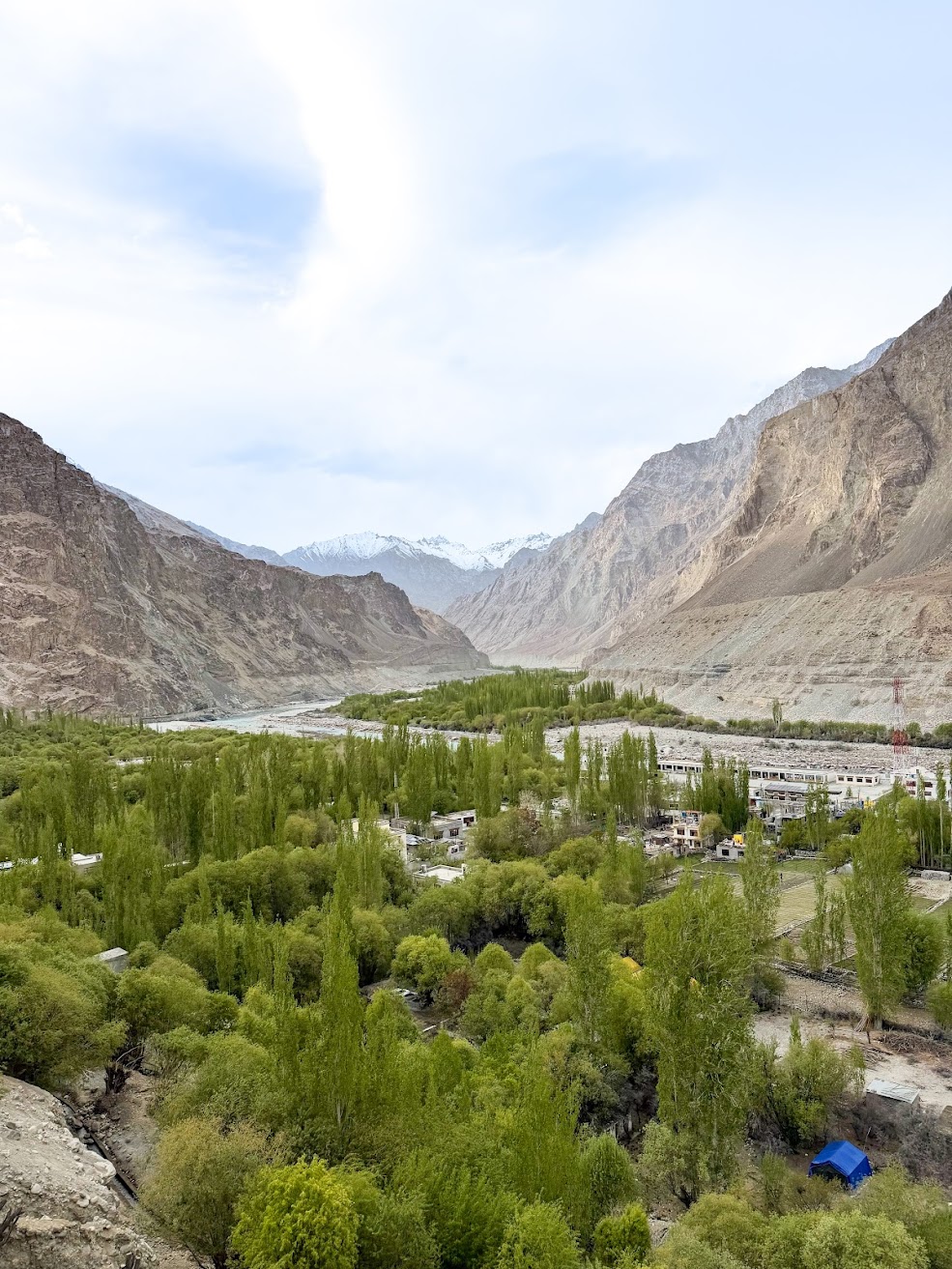
Most people visit Ladakh for Leh, Nubra Valley and Pangong Lake. But one of the region’s most compelling experiences lies farther along the Shyok River, in the small village of Turtuk.
Set in the Nubra region near the Line of Control, Turtuk has a history unlike anywhere else in India. It was part of Pakistan-administered Baltistan until it came under Indian administration during the 1971 war. The area opened to foreign visitors around 2010, and its relative distance from the better-known Ladakh circuit has helped it retain a character of its own.
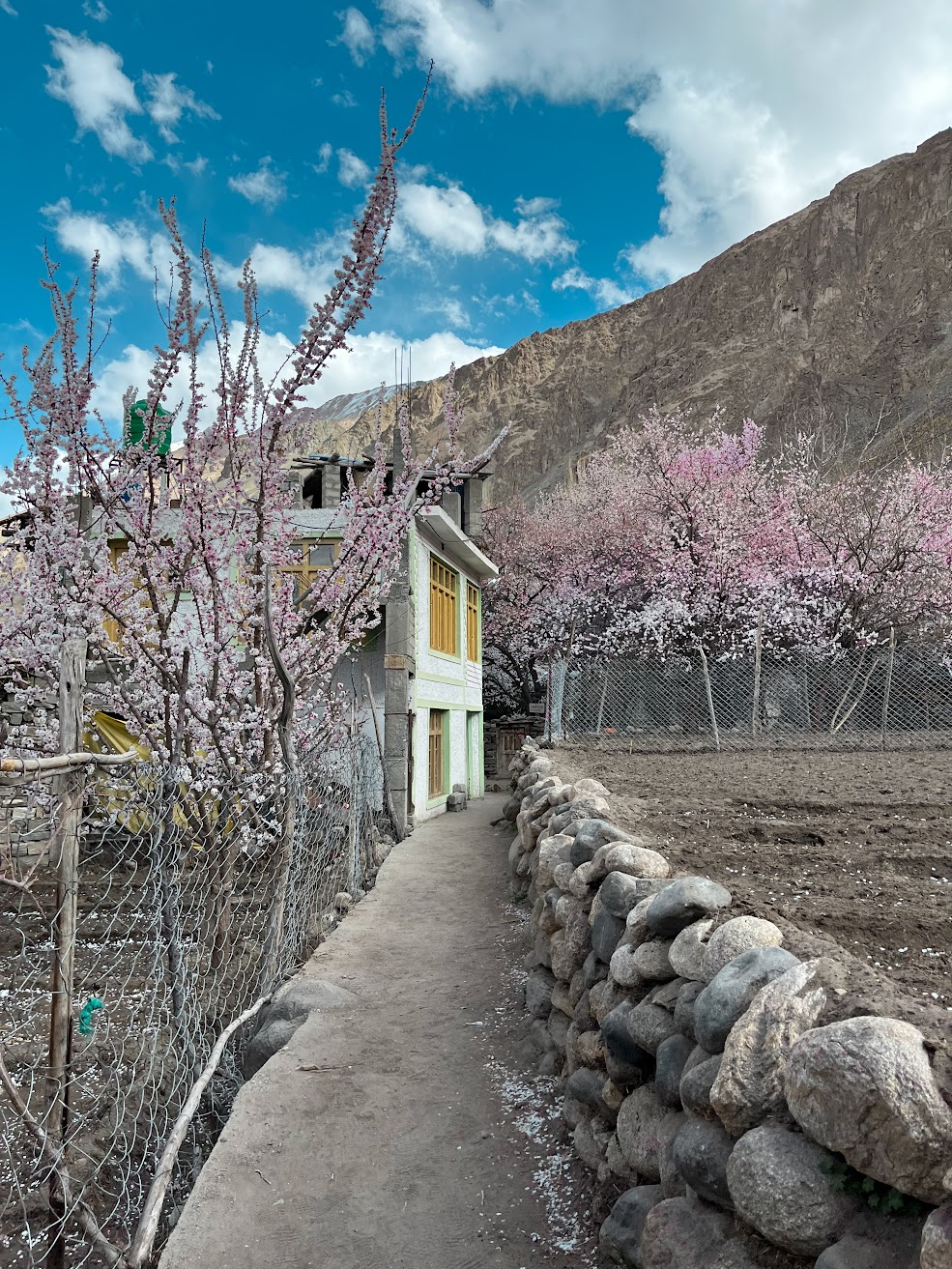
What makes Turtuk especially fascinating is its Balti heritage. The language, architecture, food and traditions feel distinct from what many travellers encounter in Leh. A village walk can become a way to notice the details: the stone lanes, old homes, orchards and everyday rhythms that tell a story far richer than a quick photo stop.
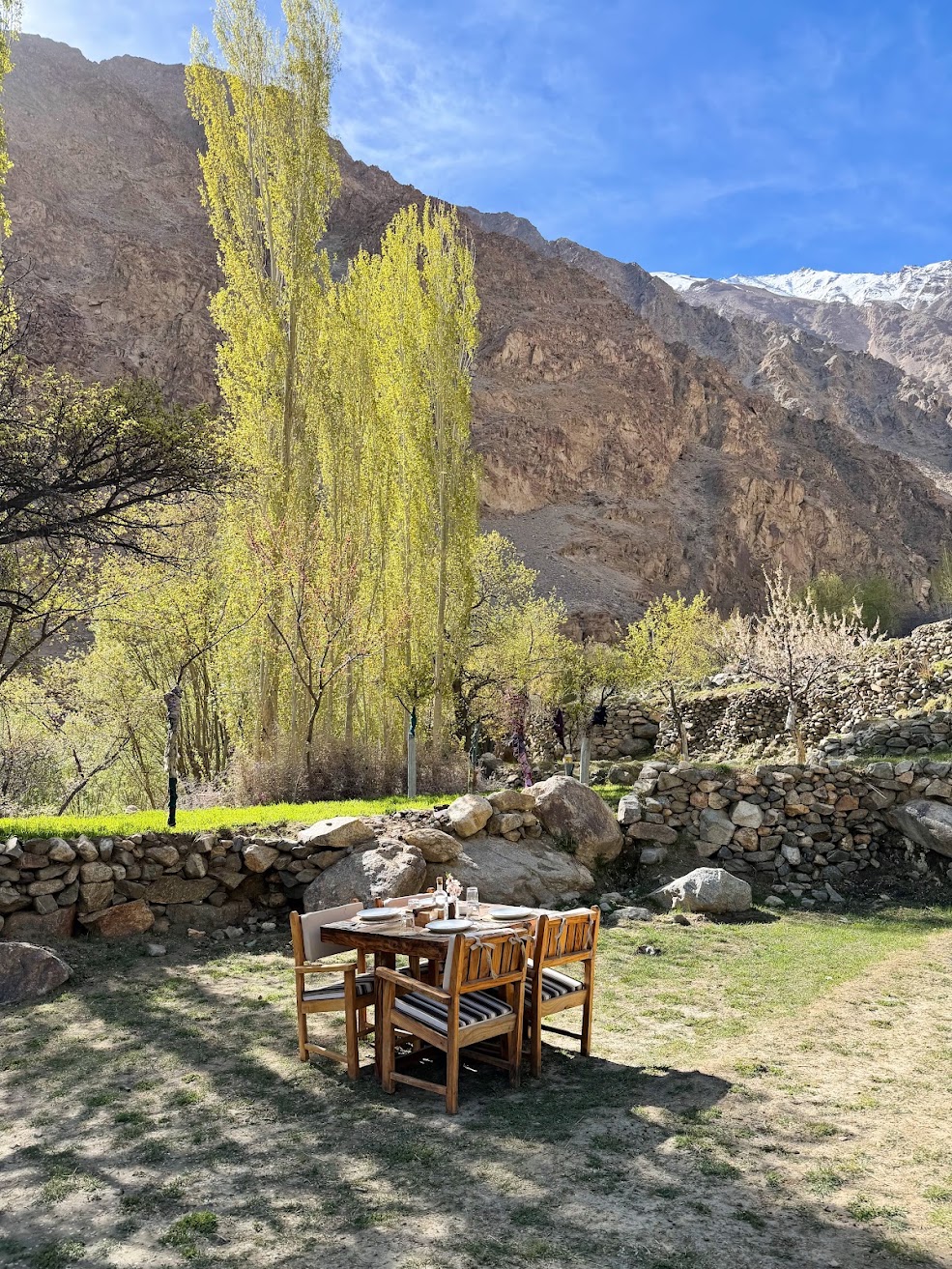
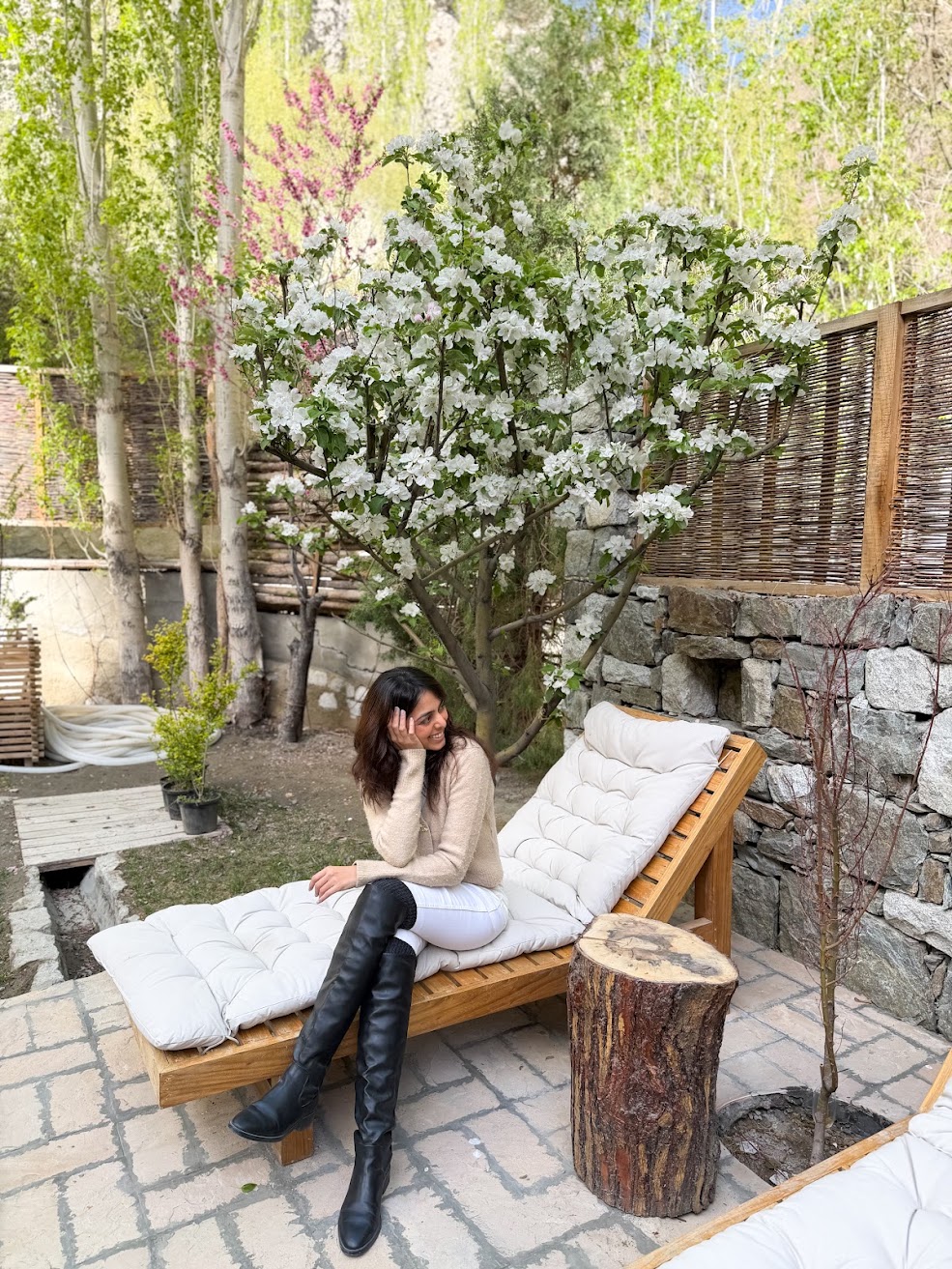
Then there is apricot blossom season. Around April, depending on local conditions and altitude, orchards in Turtuk and neighbouring villages begin to flower. Pink and white blooms soften the rugged mountain scenery for a brief window. Later in the year, the fruit is harvested, sun-dried and made into preserves and other local products. I find the idea of seeing Ladakh at this quieter, springtime moment particularly appealing.
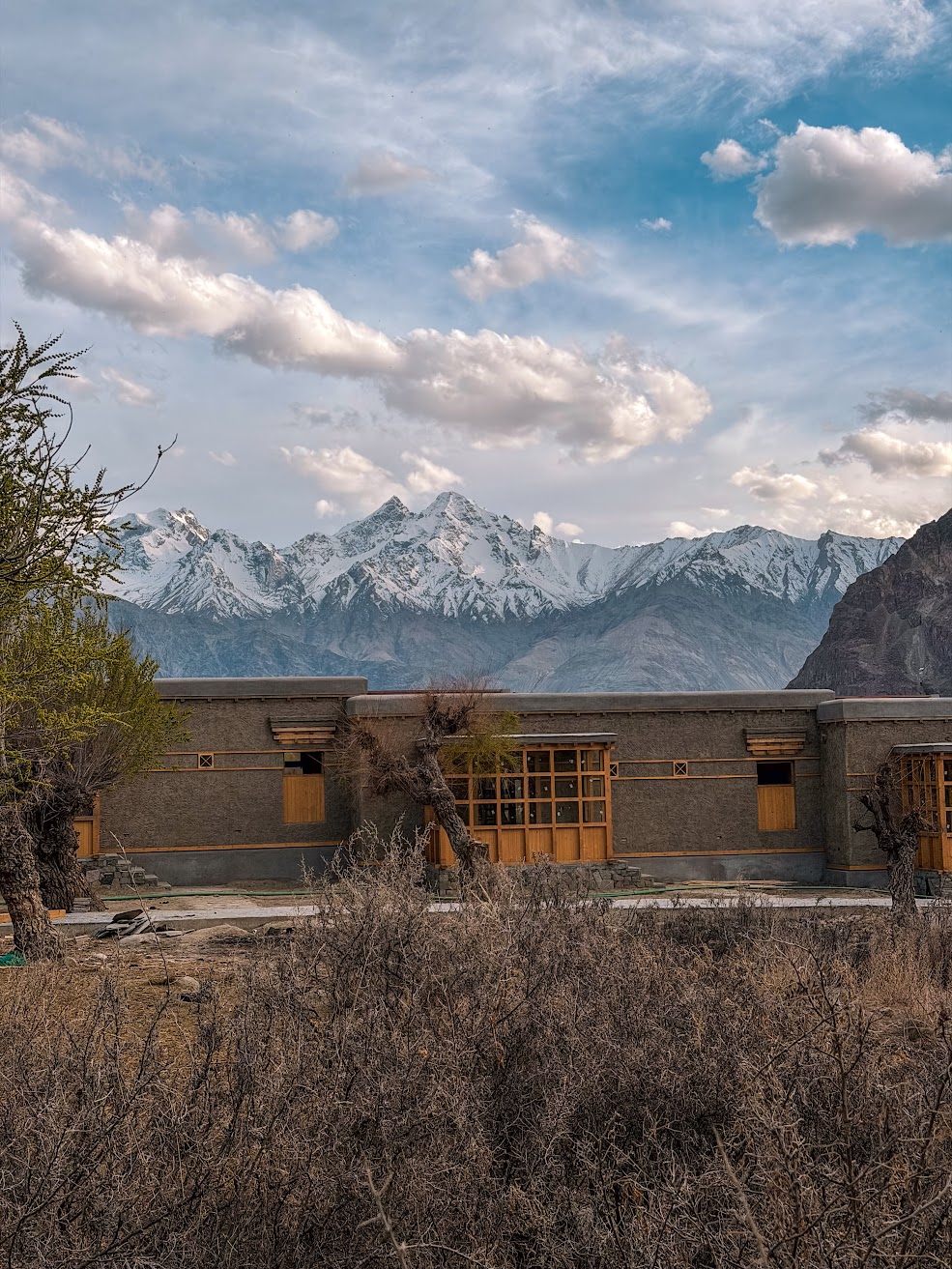
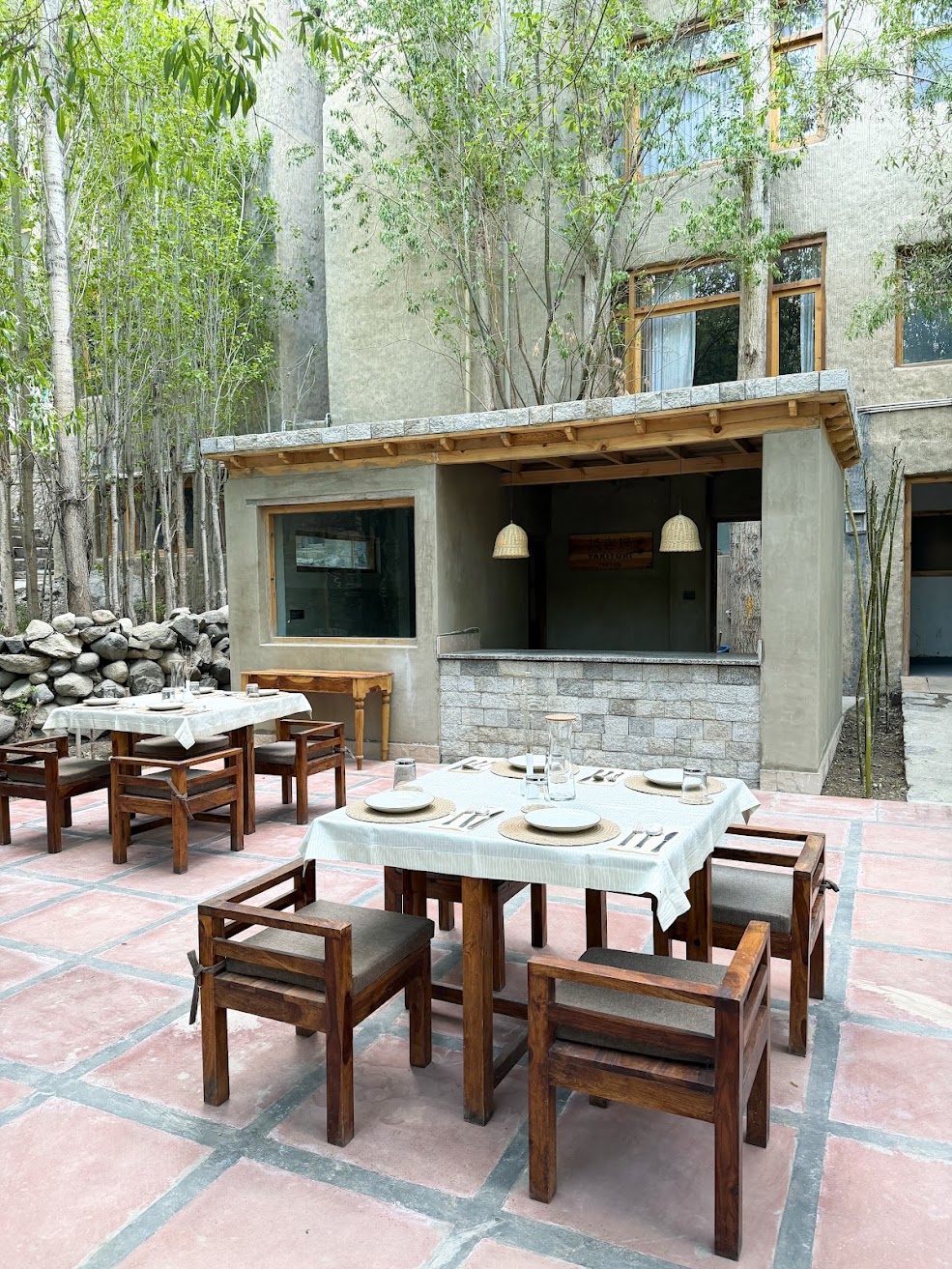
For a stay in Turtuk, I would recommend Virsa Baltistan, a property founded by Rashidullah Khan, a local who returned to his roots with a vision of celebrating Balti heritage. Its hospitality and cultural experiences are closely tied to the village and its traditions, giving the stay a sense of place beyond the room itself.
Give Leh time to unfold
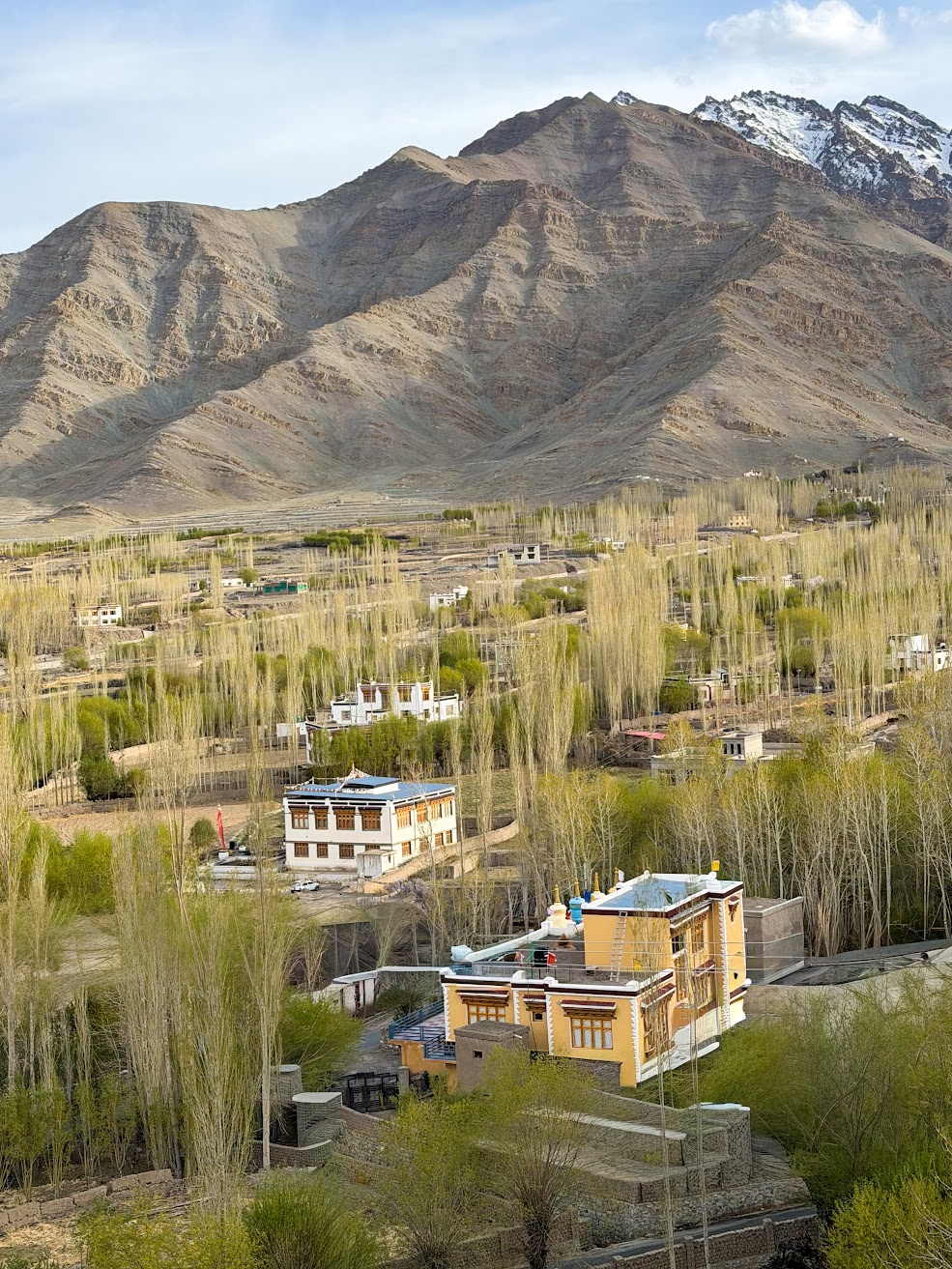
Leh deserves a few days of its own before the journey continues into the region. It gives you time to acclimatise to the altitude and to explore the old town, monasteries, local markets and cafés without trying to fit everything into a single day. That pause matters: Ladakh is a place to move through with care, and a slower start makes the onward journey more rewarding.
Start in Leh and leave time to acclimatise.
Keep spring dates flexible for apricot blossom.
Check current road and access information before continuing to Turtuk.
For a stay, The Grand Dragon Ladakh is a property I would put on the itinerary. Its setting in Leh makes it a comfortable base from which to discover the city.
Coorg: Where coffee, culture and food come together
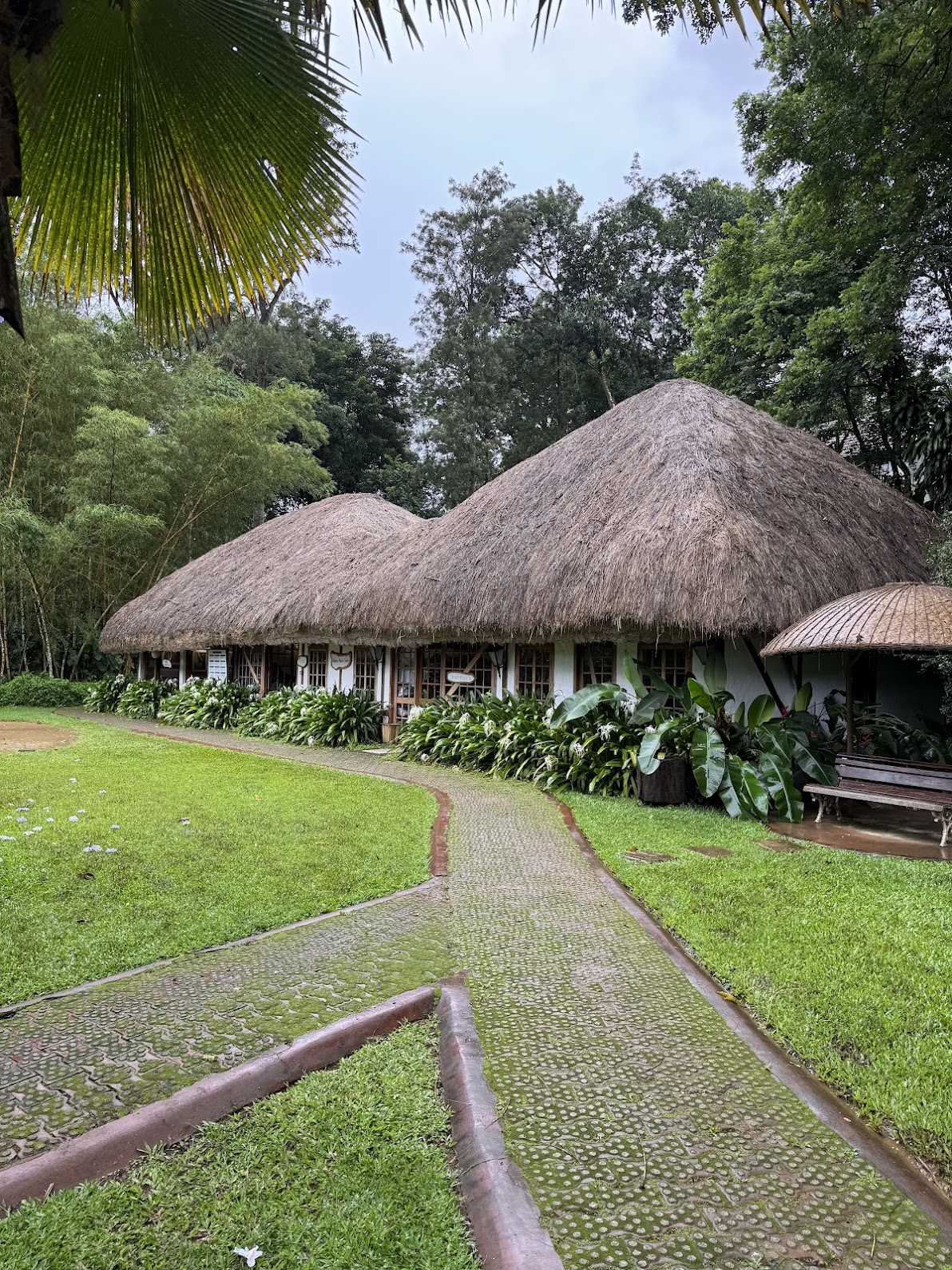
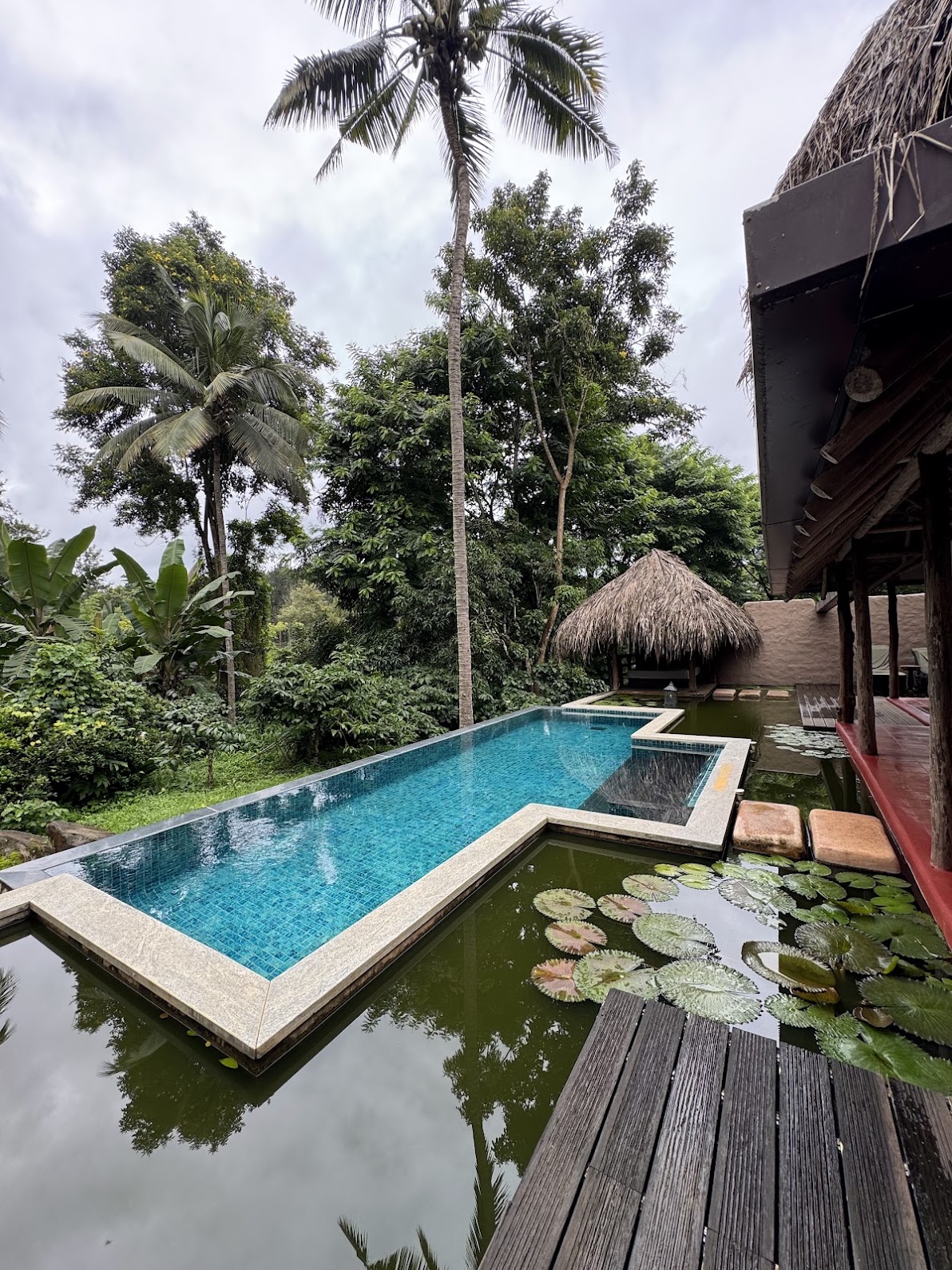
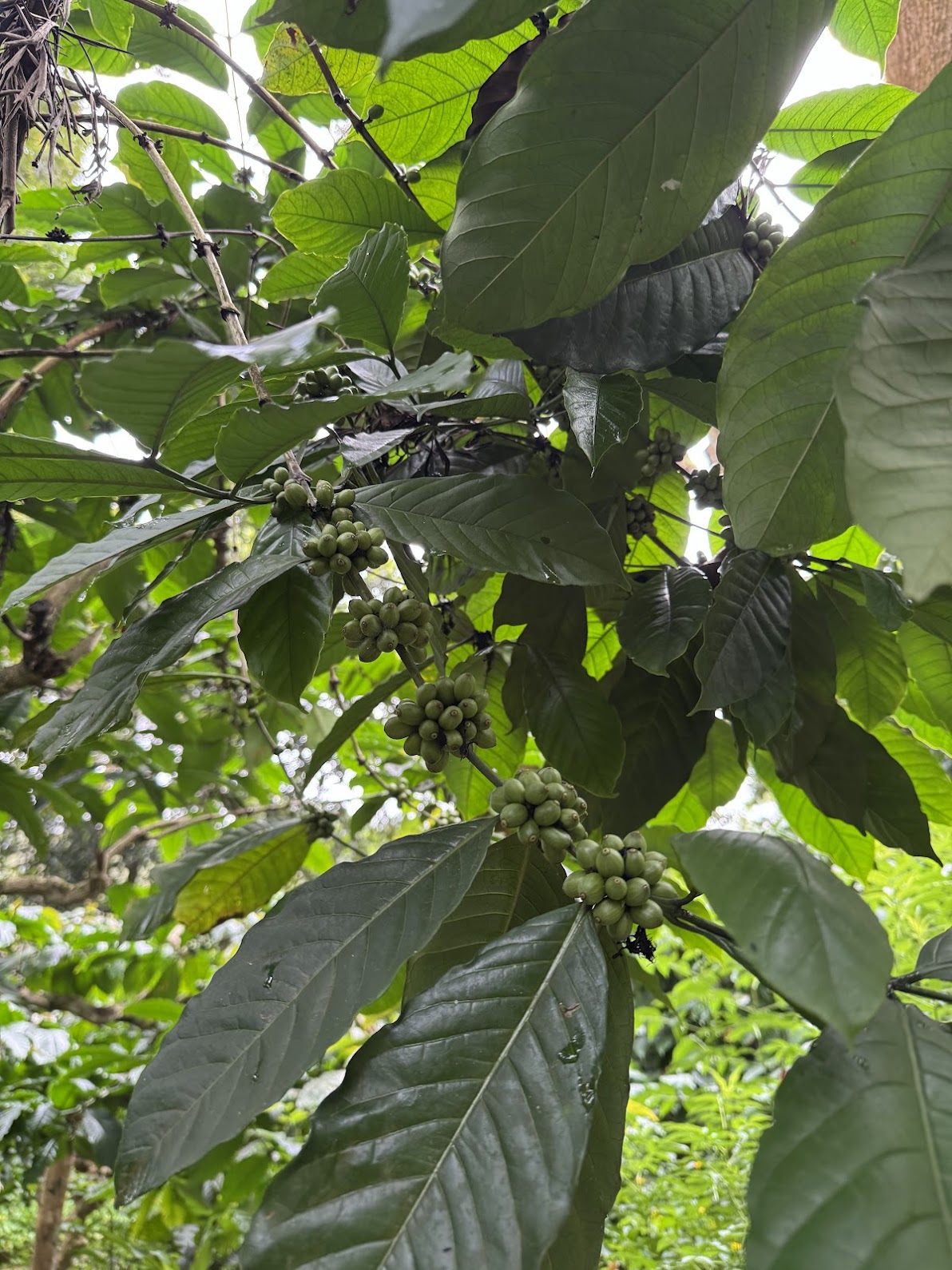
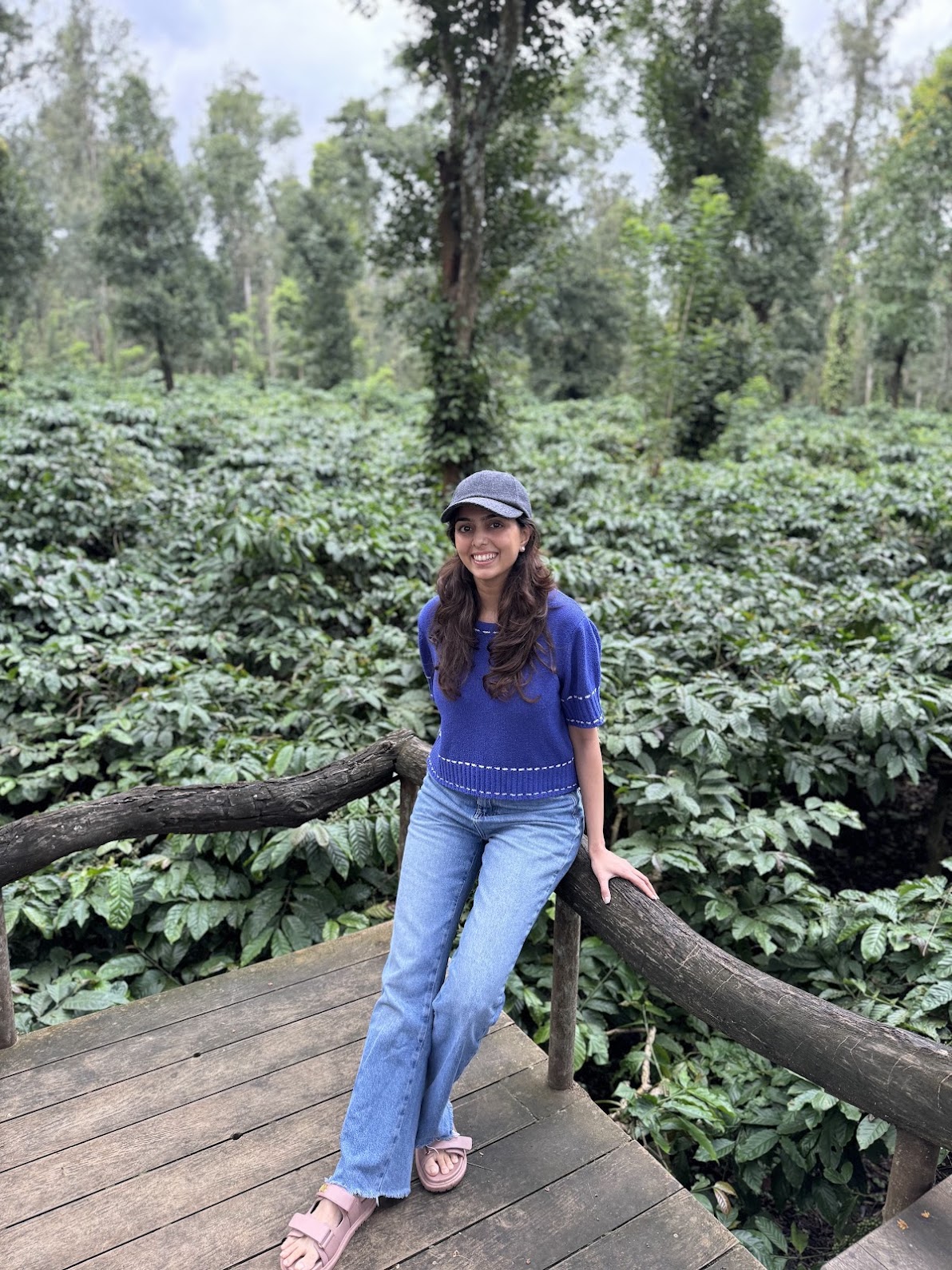
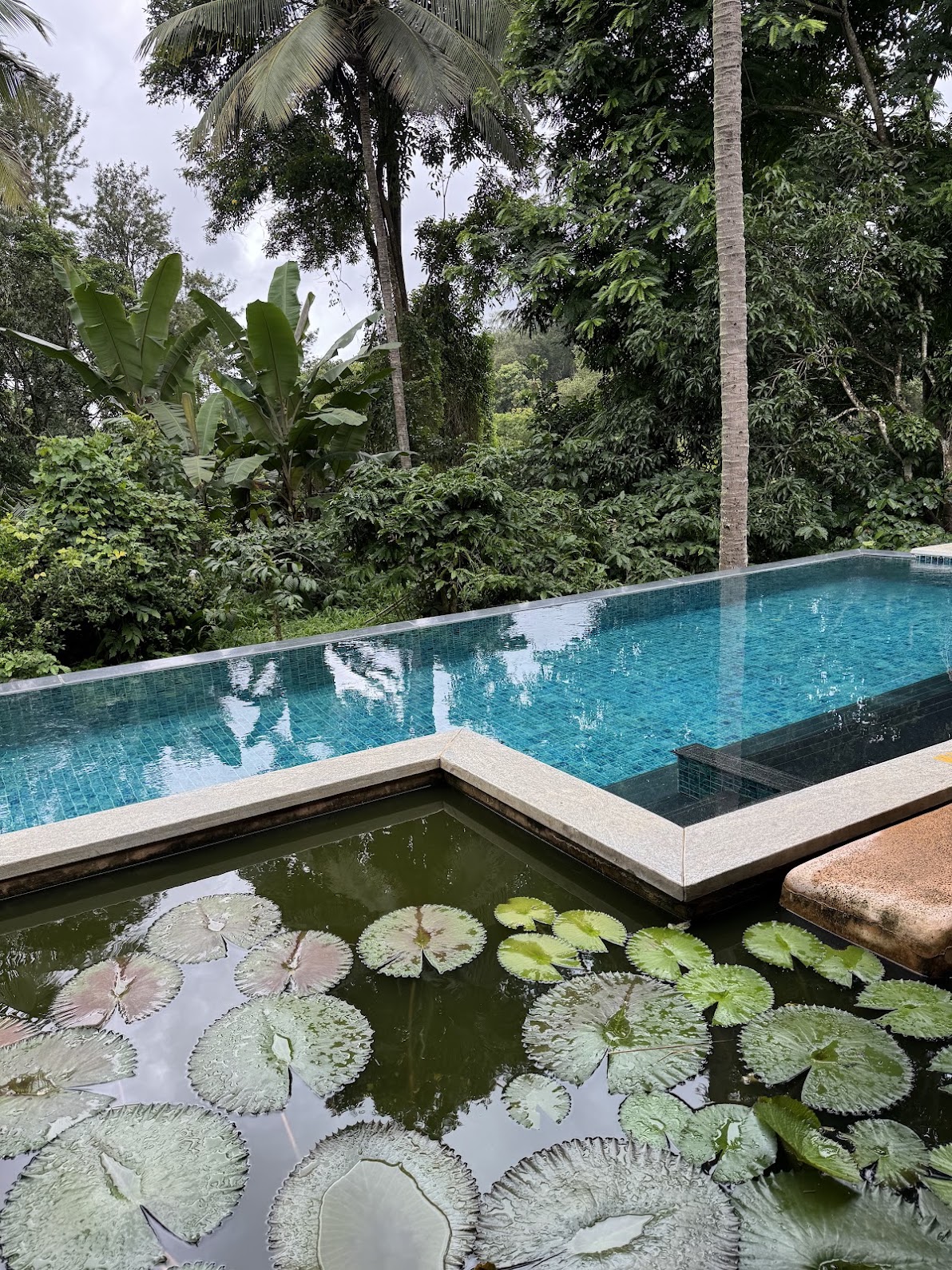
Coorg is a destination I think many people underestimate. Often treated as a quick weekend escape, it has enough character to warrant a much longer stay. One property that captures the spirit of the region beautifully is Evolve Back, Coorg.
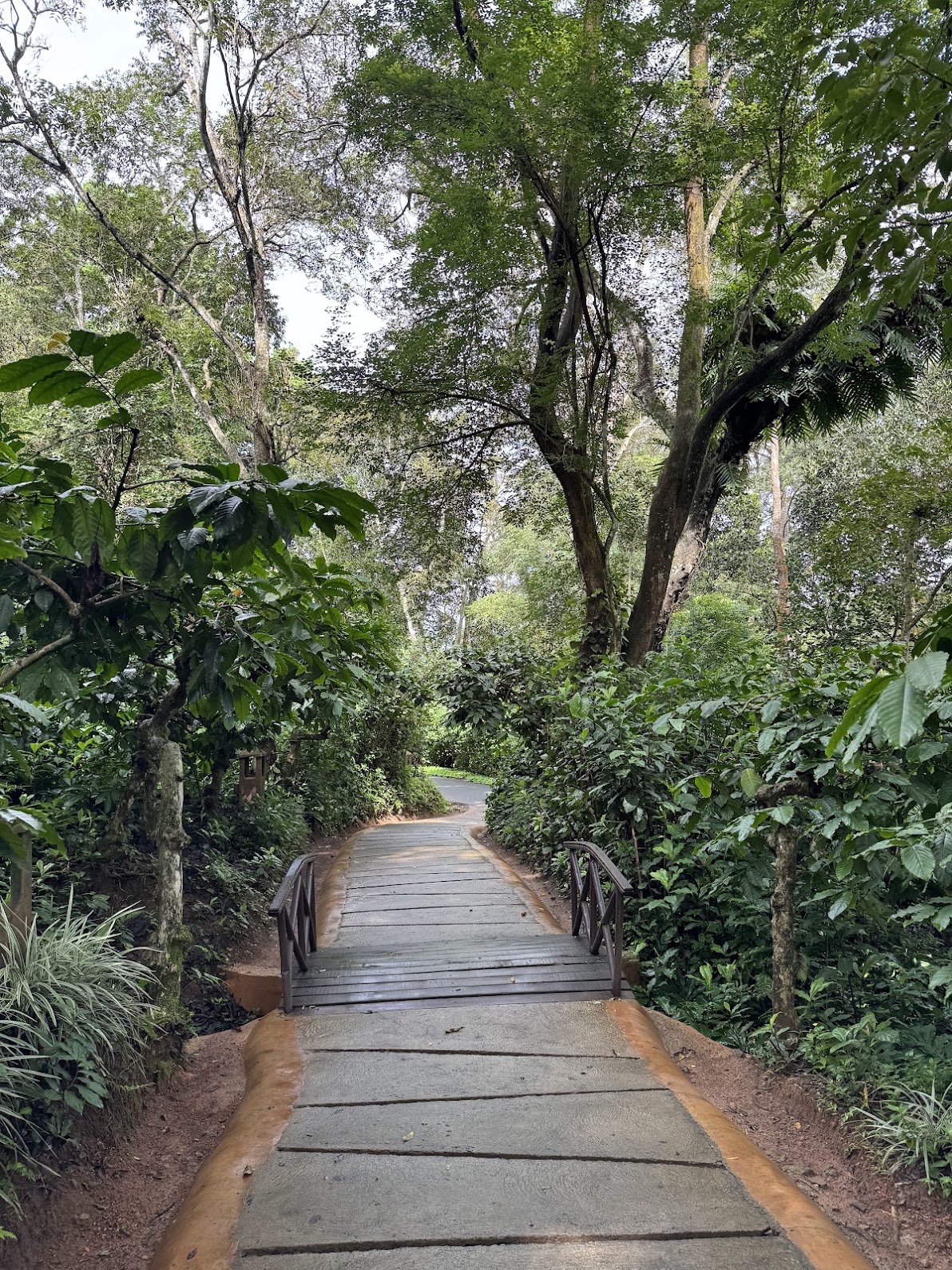
Set amid a working coffee plantation near Siddapur, the estate is surrounded by greenery, forest and rolling plantations. Its cottages and villas are designed to sit within the landscape, with a welcome sense of privacy across the property.
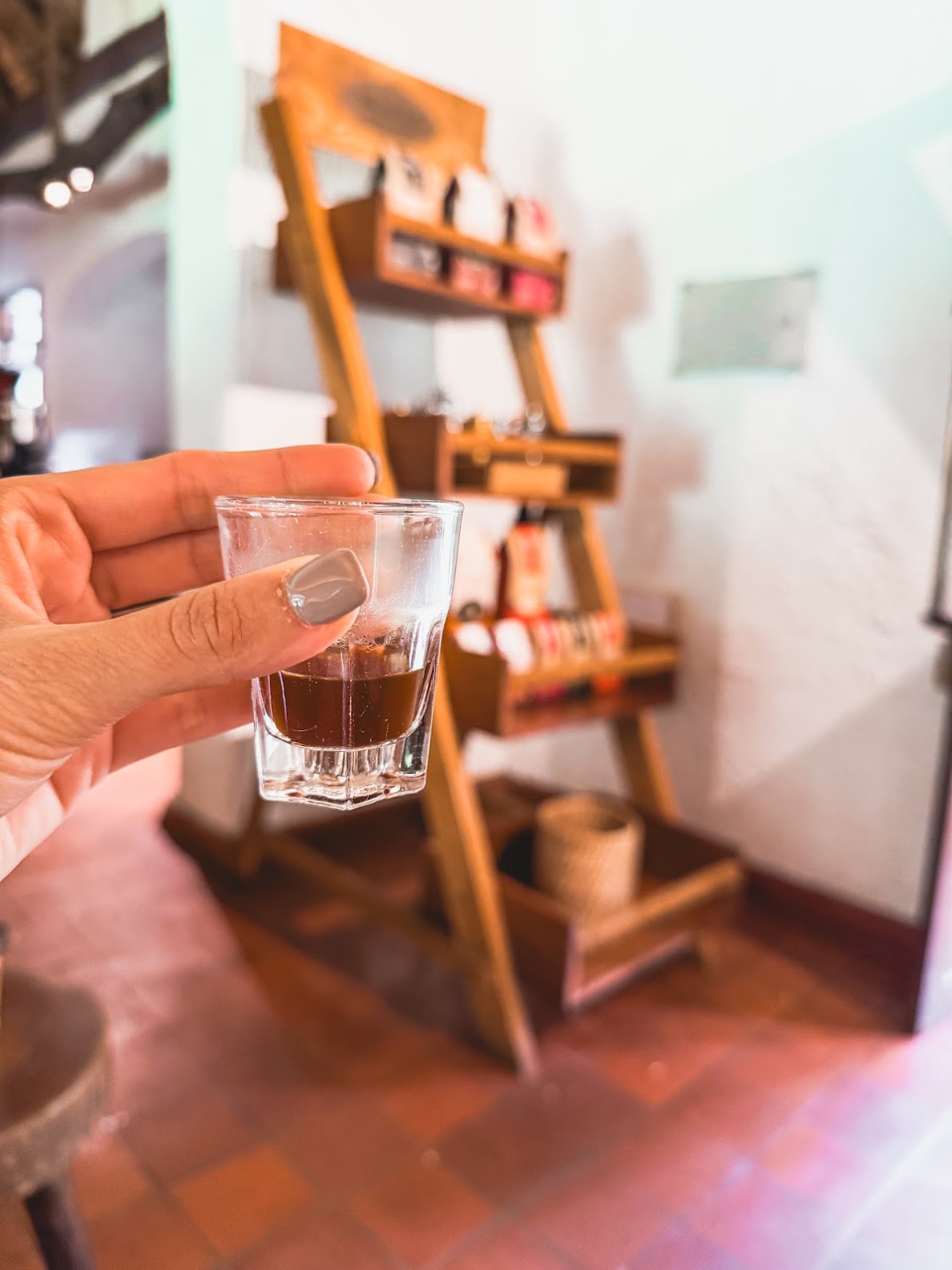
The Coffee and Culture Museum is worth visiting if you want to understand how coffee cultivation has shaped the region and its daily life.
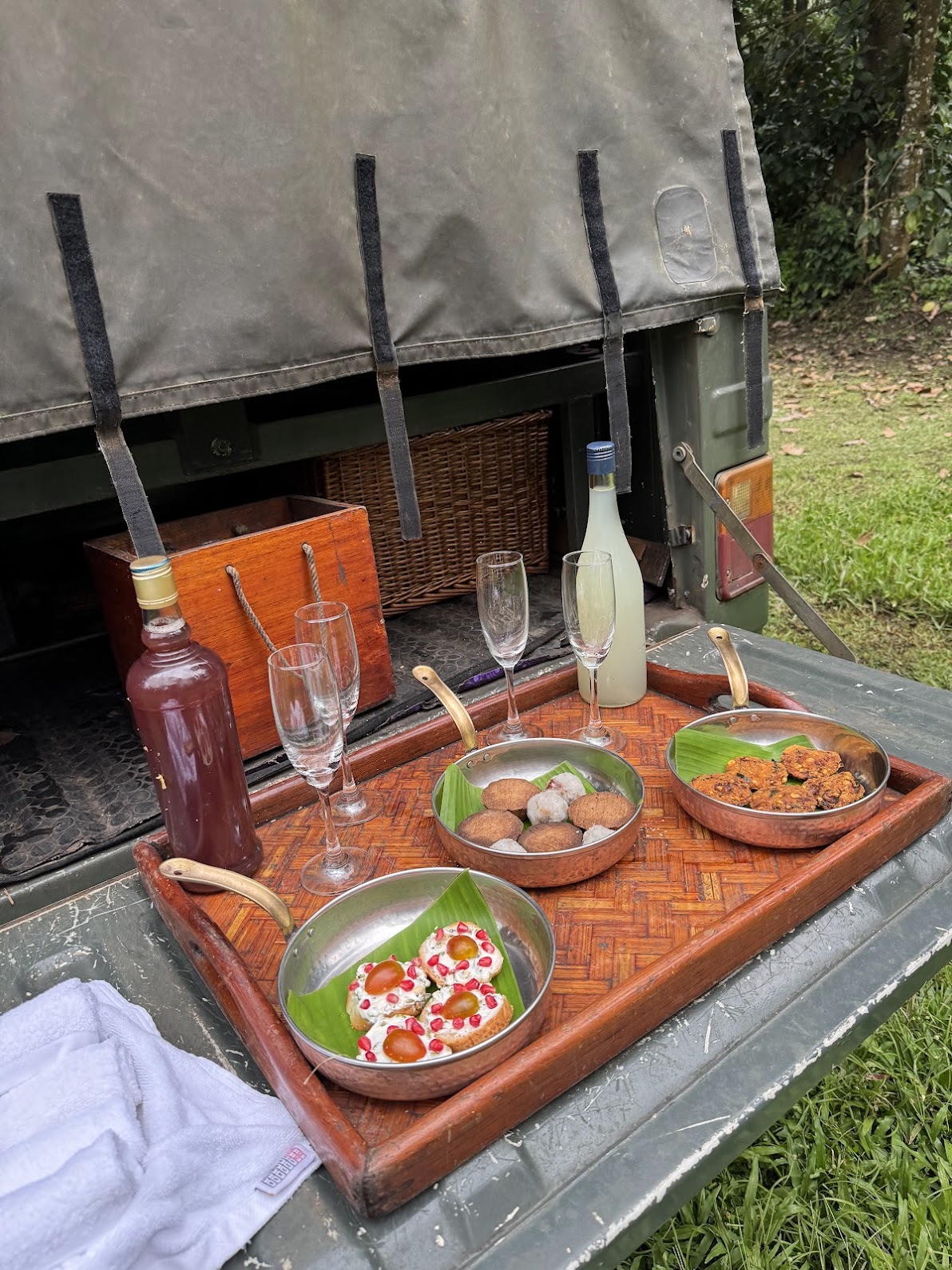
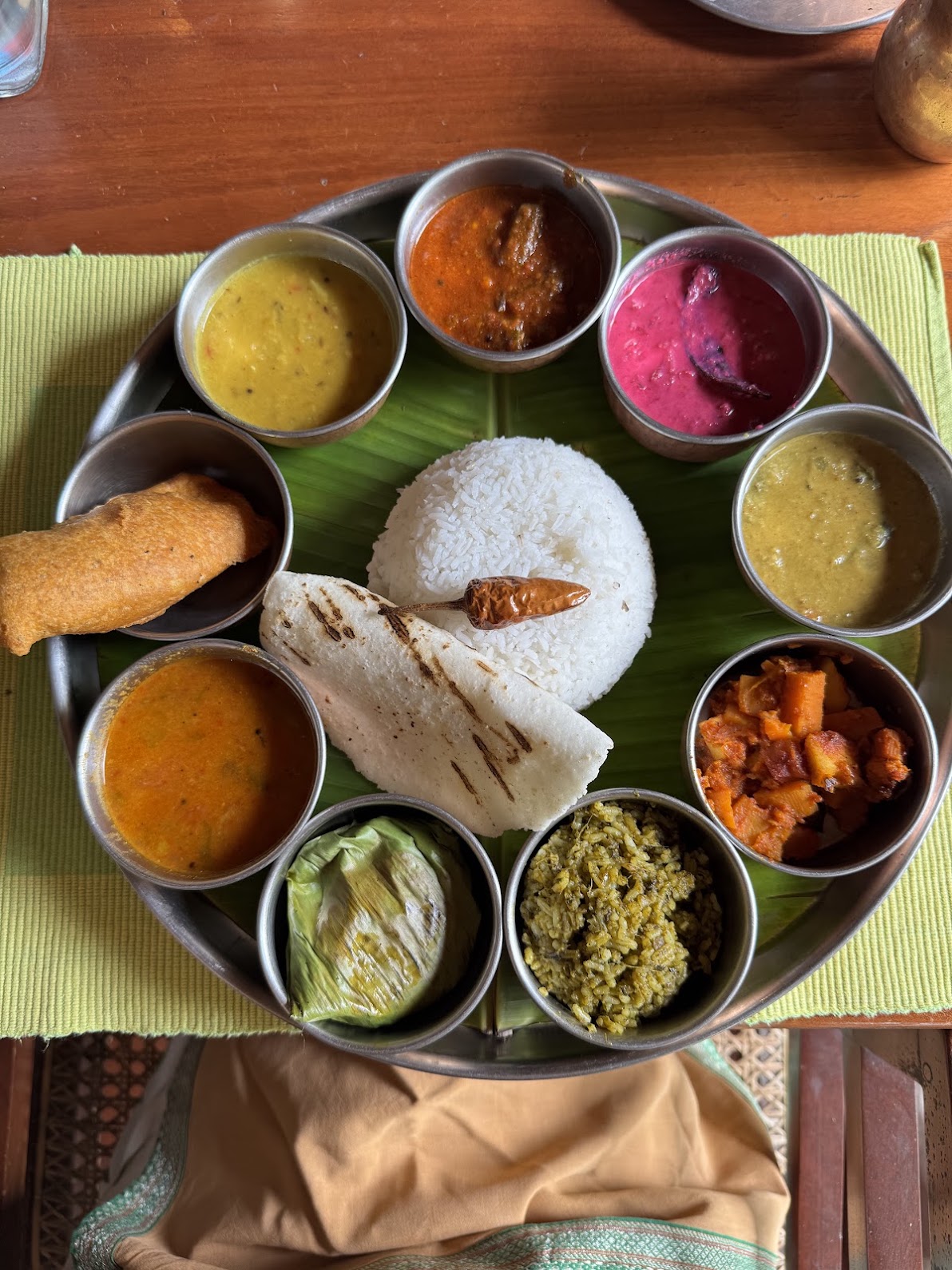
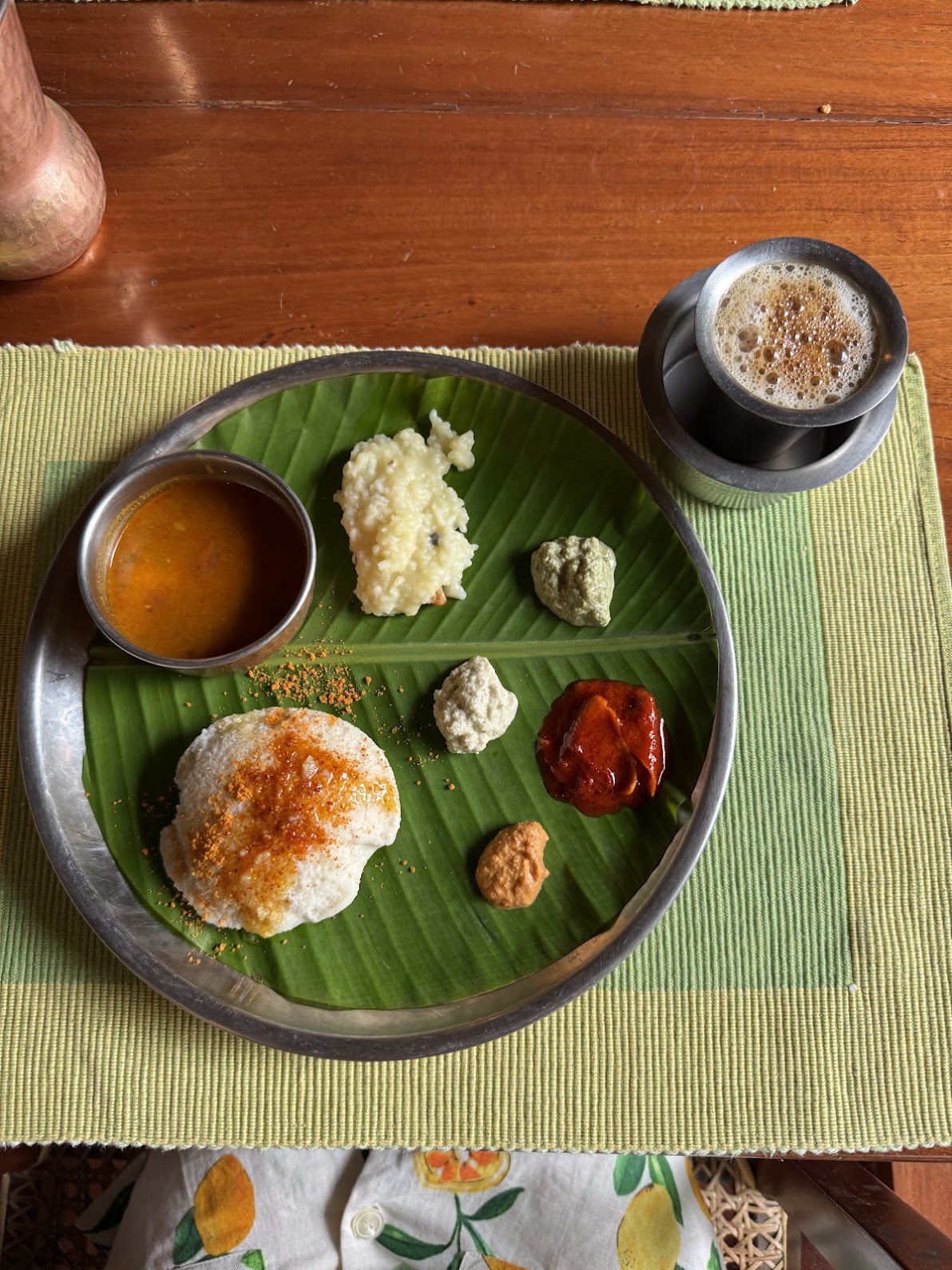
I would also encourage travellers to explore Coorg’s food. Kodava cuisine has a distinct identity shaped by geography, agricultural traditions and local ingredients. Pandi curry, kadambuttu rice dumplings and bamboo-shoot dishes are among the flavours associated with the area.
And this is only the beginning
Ladakh and Coorg are just two examples of the India I would love to see more travellers discover. There is Meghalaya, with its living root bridges, waterfalls, mist-covered hills and villages that seem to belong to another world. There are lesser-explored corners of the Northeast, quieter Himalayan valleys, and coastal and rural landscapes that rarely receive the attention they deserve.
I have travelled across the world looking for new experiences. But the more I explore, the more I realise that wonder does not always require a faraway flight. Sometimes it begins with looking more closely at home, taking the longer road, staying an extra night and making space for the people, flavours and traditions that give a place its meaning.