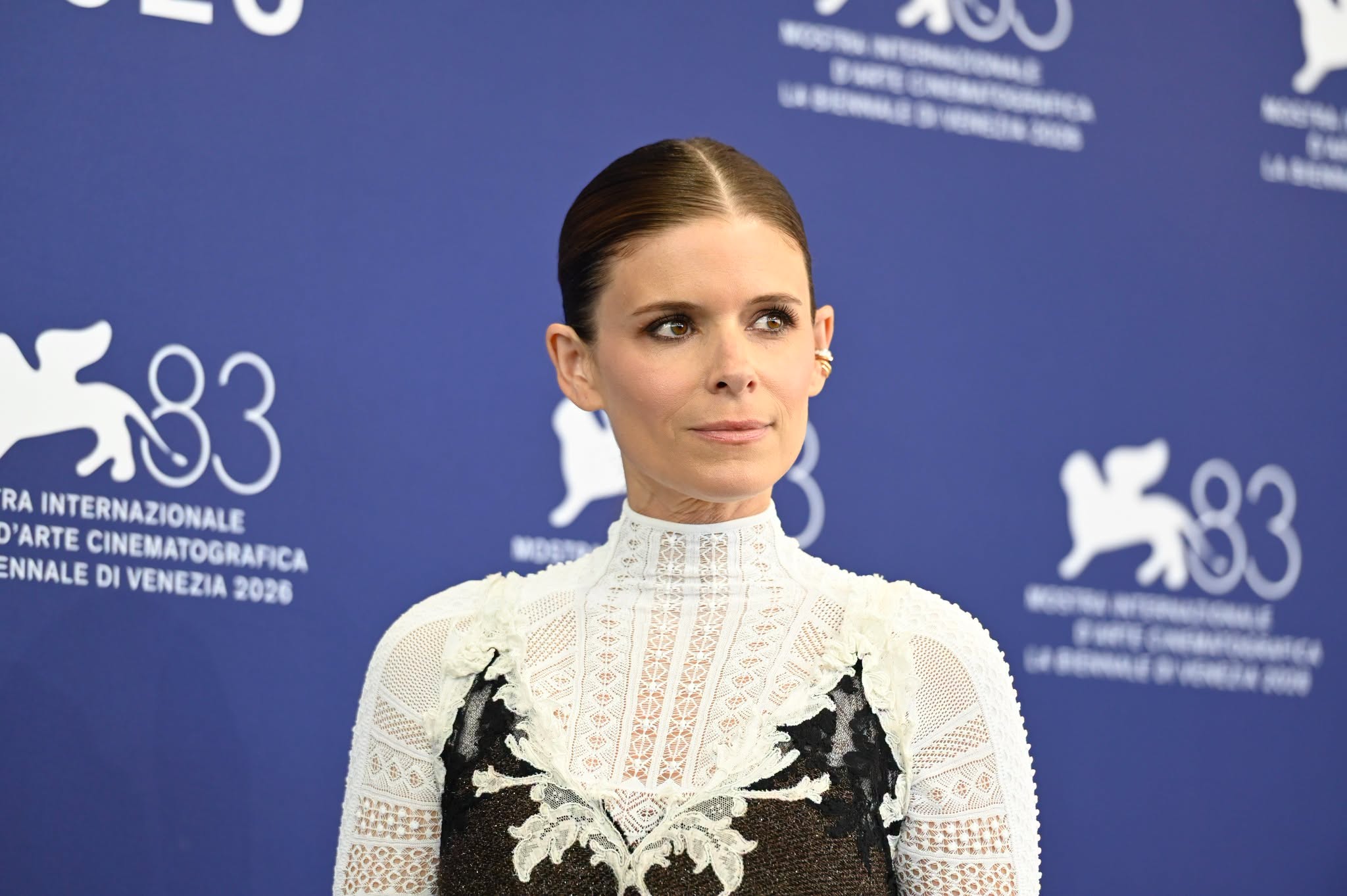
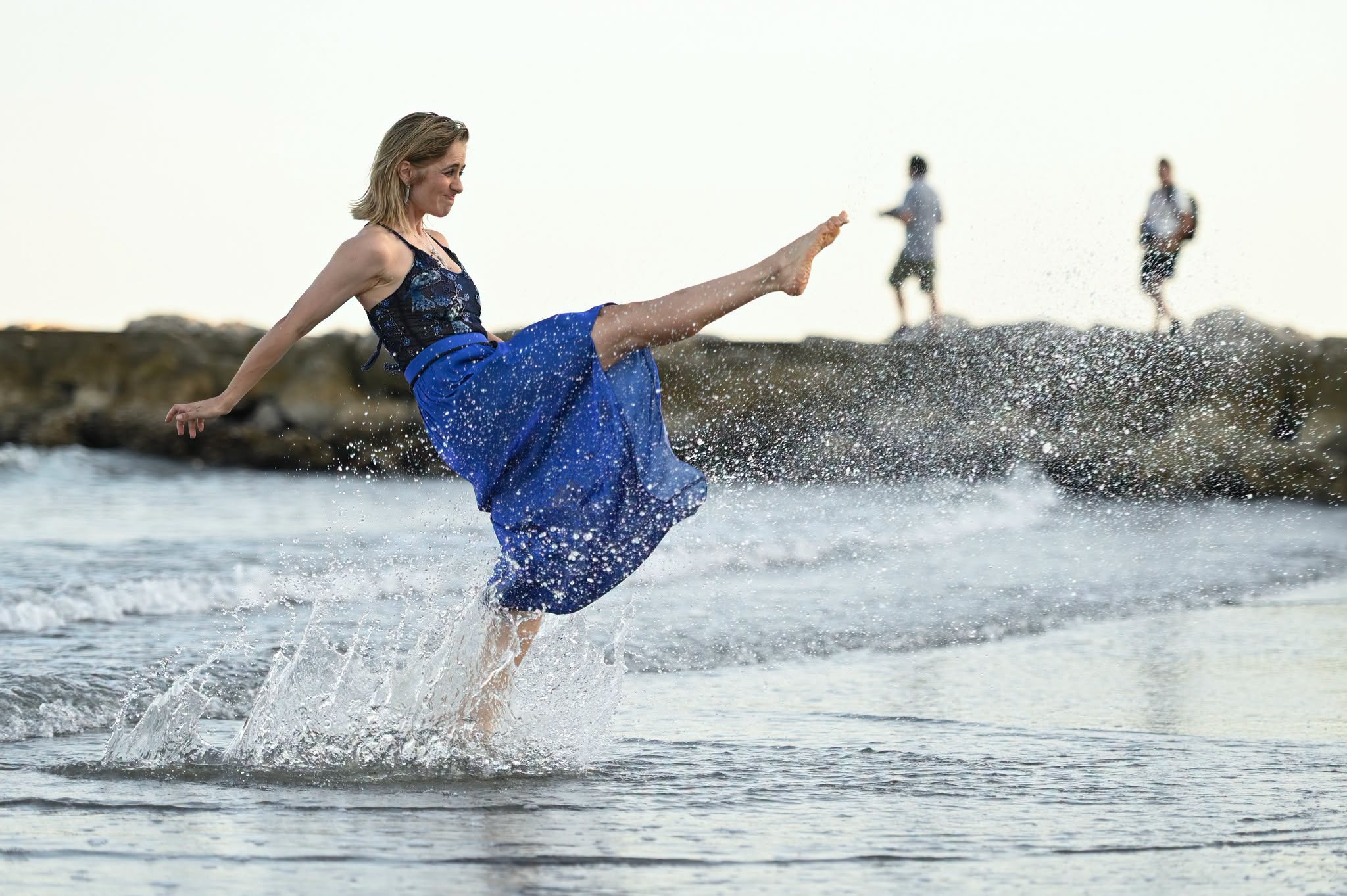
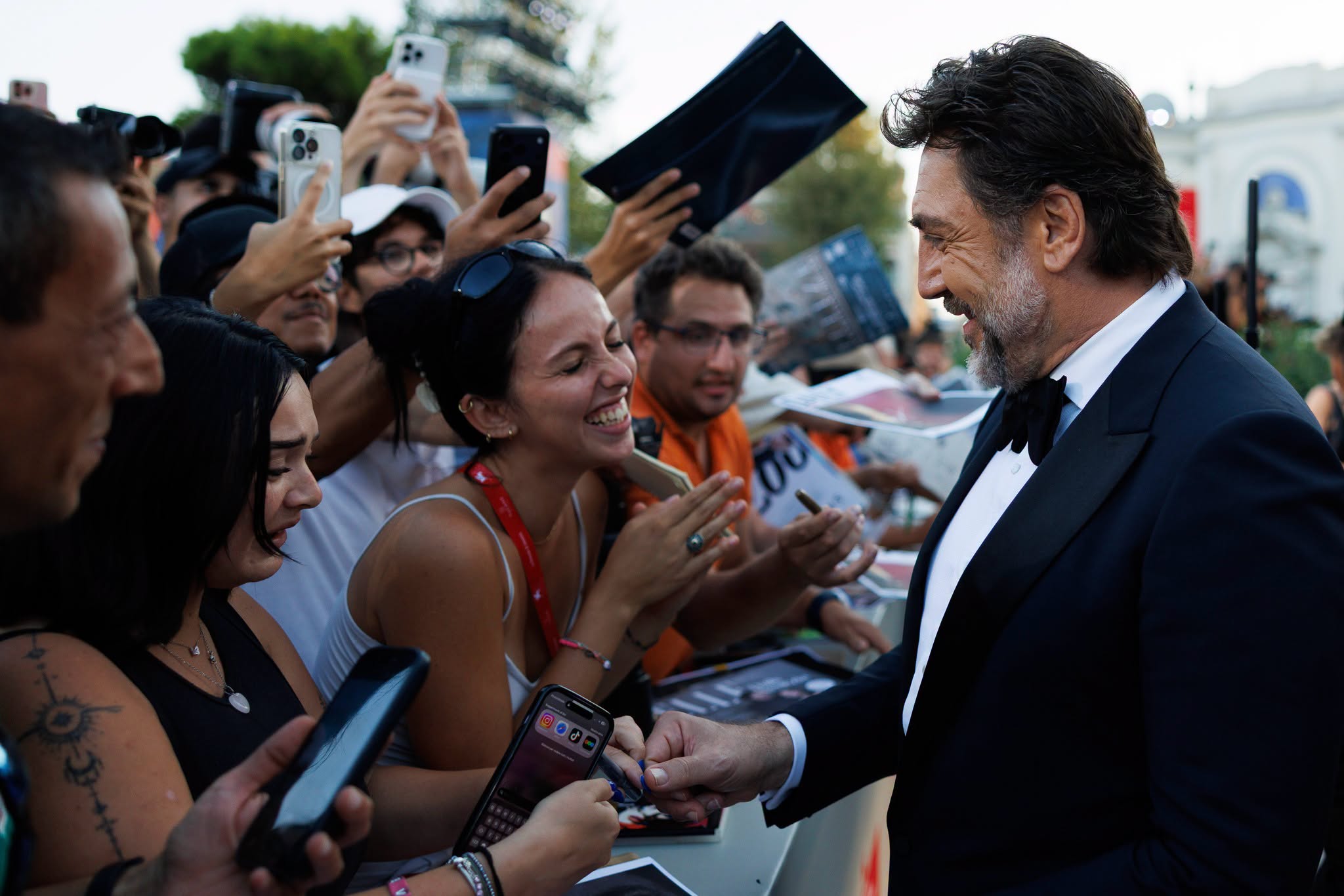
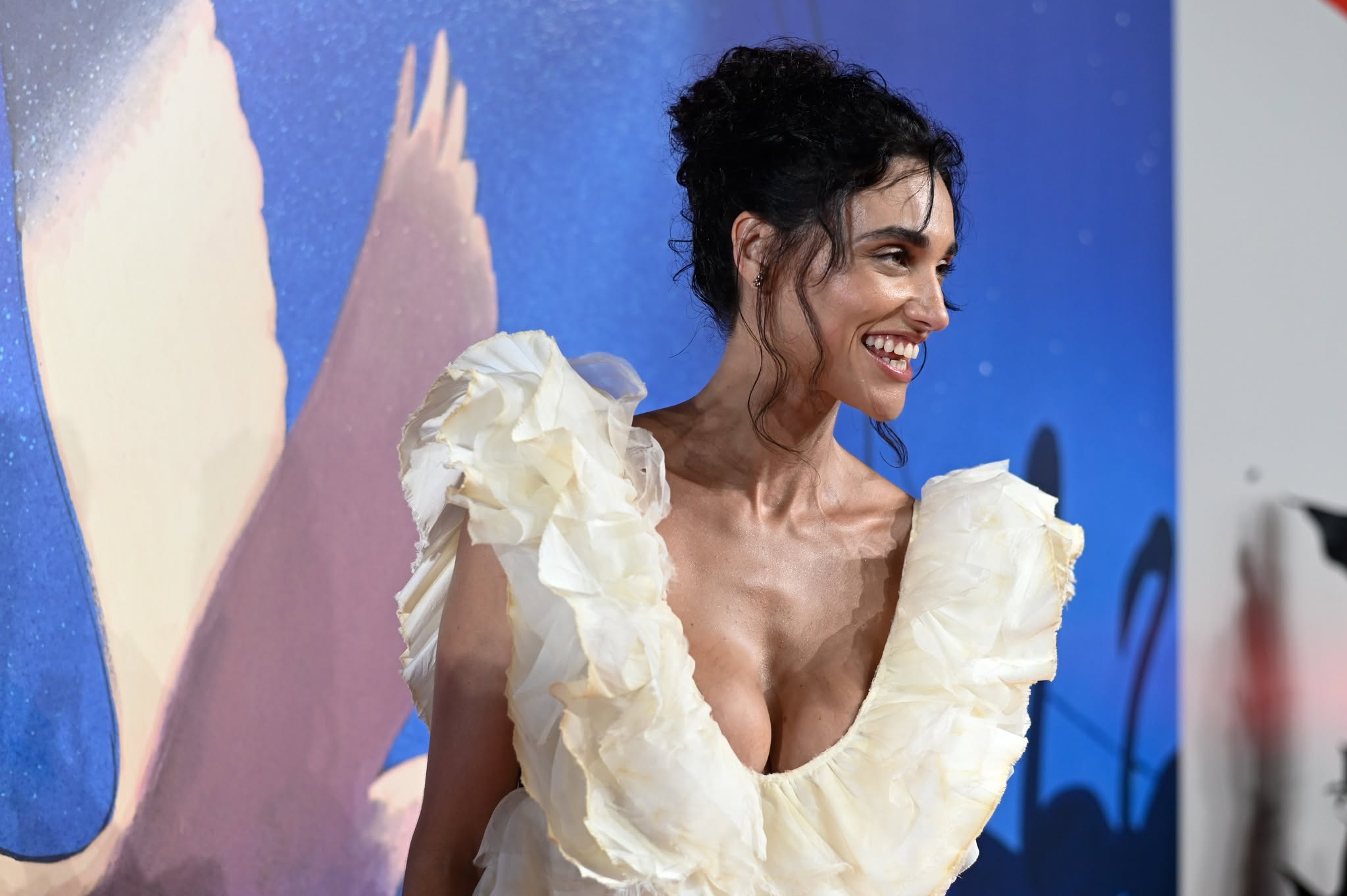
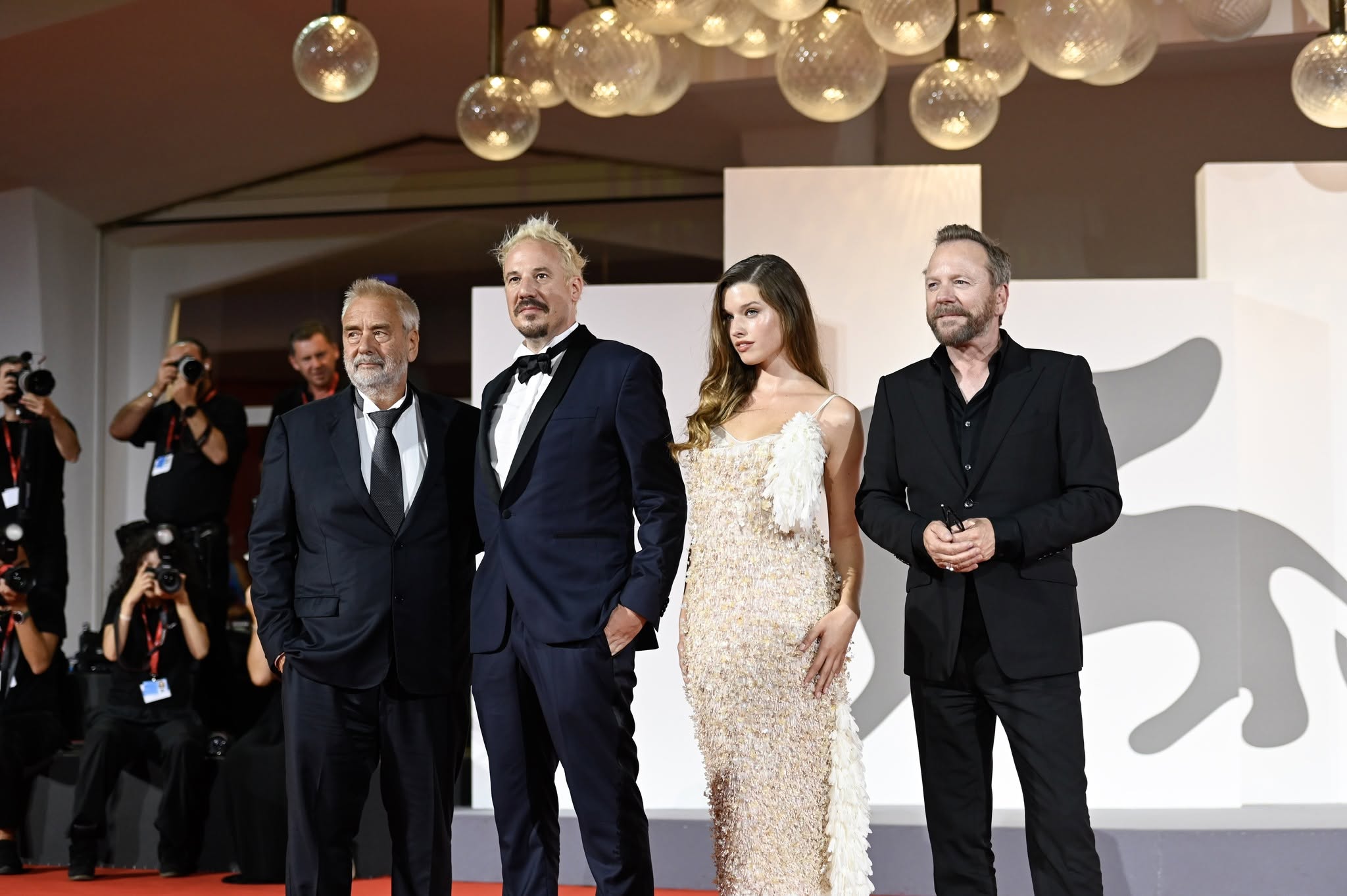
Venice’s 83rd International Film Festival answers a fairly direct question with an emphatic yes: this remains the most luxurious red carpet in cinema, and the reason is structural rather than incidental. Running September 2–12, 2026, on the Lido, the festival stacks awards-season prestige, old-world Italian glamour and high-jewelry theater into an eleven-day run that photographs like nowhere else on the industry calendar. Unlike Cannes’ beach-club energy or the Oscars’ single-night intensity, Venice unfolds slowly, across water taxis, historic hotels and a program built to reward careers as much as individual films.
That combination — cinema history, Italian craftsmanship and a setting that predates the red carpet itself by centuries — is precisely why luxury houses, editors and celebrity stylists treat the Lido as neutral ground where fashion, jewelry and film all get equal billing.
George Clooney and the Weight of Venice’s Career Honor
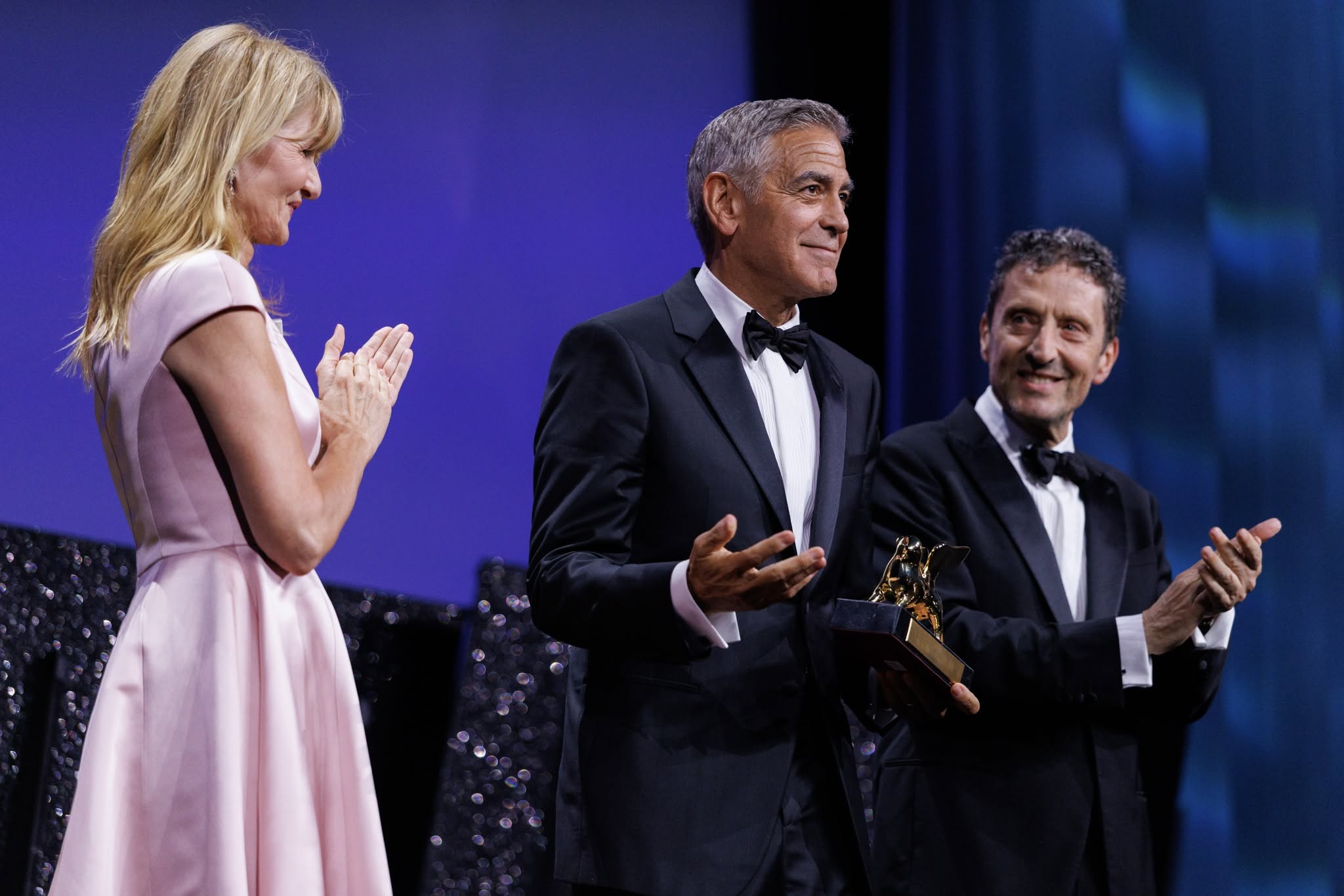
The festival opened on September 2 with George Clooney receiving the Golden Lion for Lifetime Achievement. La Biennale di Venezia recognized his combined work as actor, director and producer, an honor that asks audiences to consider the full architecture of a career rather than a single performance or awards-season contender.
That distinction matters for how Venice positions itself against rival festivals. A Lifetime Achievement Golden Lion is not a competitive prize decided by a jury debating one film against another; it’s a statement about legacy, delivered before the competition even begins. It sets a tone of gravity that the rest of the festival — including its fashion coverage — builds on rather than competes with.

Amal Clooney and the Archive as the New Red-Carpet Currency
Amal Clooney’s appearances quickly became a fashion story in their own right. For the opening ceremony, she wore a custom black Tom Ford gown designed by Haider Ackermann, paired with Cartier jewelry. Later, at a Cartier gathering held at the Gritti Palace, she chose a vivid red gown with a colorful statement necklace, a deliberate shift in mood from the opening night’s restraint.
It’s classic Venice: couture and high jewelry staged against a genuinely historic backdrop, so that every arrival functions simultaneously as celebrity coverage, fashion inspiration and luxury brand storytelling—a dynamic also visible in LAPSOFLUX’s TIFF fashion coverage. Few other festival settings let a single photograph do that much work.
What’s more revealing is how other guests dressed. Irina Shayk drew attention in a lace-up Dolce & Gabbana look tied to the house’s archive, and separately appeared in vintage Givenchy by Riccardo Tisci. Nicola Peltz Beckham chose Balenciaga for the main red carpet, then wore vintage Armani Privé while receiving a Kinéo rising-star honor.
These choices show how celebrity dressing has quietly changed. New is no longer automatically more valuable than old. Archival fashion offers scarcity, documented history and a narrative hook — three qualities that sit at the center of how modern luxury actually sells itself, whether in a gown, a vintage watch or a one-of-one jewelry commission. Readers following our broader coverage of fashion-week reinvention and luxury’s renewed appetite for provenance will recognize this as part of a larger shift, not a one-festival trend.
The films still define Venice’s authority.
None of this fashion coverage would carry weight if Venice’s film program weren’t genuinely strong, and 2026’s lineup gives the festival real substance to stand on. Japanese director Hirokazu Kore-eda premiered Look Back, a live-action adaptation of Tatsuki Fujimoto’s acclaimed manga about two girls bonded through drawing — a quiet, character-driven choice that reflects Venice’s long-standing appetite for international auteur work alongside bigger studio names.
Ellen Burstyn also received a Golden Lion for Lifetime Achievement, timed alongside her return to the festival with Place to Be. Two Lifetime Achievement honors in a single edition, one for Clooney and one for Burstyn, underline how central legacy recognition has become to Venice’s identity, not as a side event but as a defining feature of the program.
| Highlight | Detail |
|---|---|
| Festival dates | September 2–12, 2026 |
| Lifetime Achievement honorees | George Clooney, Ellen Burstyn |
| Notable premieres | Look Back (Kore-eda), Place to Be (Burstyn) |
The program illustrates why Venice remains such a powerful awards-season launchpad. Hollywood stature, international auteurs and unexpected discoveries all enter the same global conversation here, often within the same 48-hour news cycle — which is part of why the fashion and the films end up reinforcing each other rather than competing for attention.
Why the Lido remains luxury’s most convincing backdrop.
The arrival itself is content, and Venice understands this better than any other festival. Stars step from polished water taxis onto private docks, framed by the lagoon and centuries-old architecture that no set designer could replicate. Historic hotels — the Gritti Palace among them this year — become extensions of the red carpet, hosting the dinners and jewelry showcases that generate a second wave of images once the official carpet has cleared.
Luxury houses have learned to build campaigns that extend well beyond a single premiere appearance. Private dinners, brand ambassador appearances and intimate celebrations create a network of editorial moments spread across the full eleven days, which is a very different strategy than the single-night sprint of an awards ceremony. It’s a pattern worth comparing to how houses approach Cannes’ beachfront presence, and readers interested in that contrast will find the differences instructive.
What Actually Lingers After the Curtain Closes
As Venice moves toward its final premieres and competition awards, two separate scoreboards are running at once. The official winners will shape the film conversation for months to come. But the unofficial victories — the single image that dominates social feeds, the archival gown that suddenly creates fresh demand, the performance that quietly builds awards-season momentum — are just as consequential to how the festival is remembered.
That dual currency, cinematic and sartorial, is exactly why Venice continues to function as a celebration of film with the texture of a luxury dream, and why its red carpet remains worth watching long after the lights on the Lido go dark.