

At the Grand Palais, the building is never an anonymous backdrop. Its scale and architecture place an art fair within a recognizable image of Paris before a visitor has looked at a single booth. That relationship between setting and subject helps explain why the city’s autumn art calendar has an appeal that extends beyond the transaction of buying a work.
Art Basel Paris scheduled its 2026 public fair for October 23–25, with previews earlier in the week. The organizer’s programme brought together 211 exhibitors from 41 countries and territories under director Karim Crippa. It also named Miu Miu as the official partner of the public programme, connecting an international fashion house to activity beyond the commercial fair floor.
For LAPSOFLUX, the compelling story is that intersection. Art, travel and luxury can share an audience without becoming the same thing. The best coverage makes those relationships visible while keeping the work, its makers and its context at the centre.
A fair is a starting point, not the whole city
An art fair concentrates an enormous amount of looking into a limited space. Galleries place different practices in close proximity, inviting comparisons that might never occur in a single-artist exhibition. Visitors move between periods, materials and approaches, often with only a short pause before the next presentation.
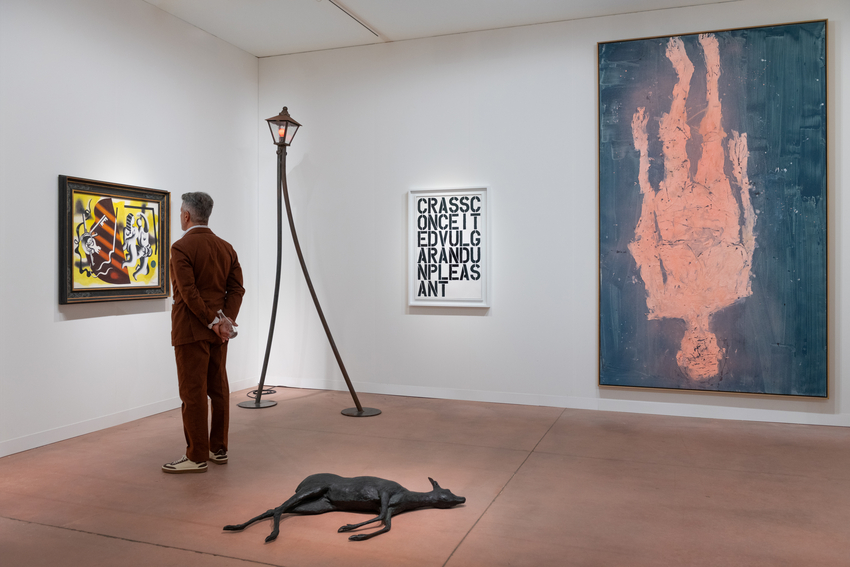
That concentration can be energizing. It can also encourage superficial viewing. A work becomes a recognizable image, a photographed label or a figure mentioned in conversation. The alternative is to use the fair as a starting point: identify a practice that holds attention, ask questions and make time to understand what exists beyond the booth.
For a visitor without plans to buy, this is a more productive approach than attempting to see everything equally. Choose a small number of works to spend time with. Notice material, scale and the relationship between pieces. Ask whether a presentation was conceived as a whole or assembled to demonstrate an artist’s range.
The city then becomes an extension of that inquiry. A museum, gallery or public installation can offer a different pace and a deeper context. The value of the week lies partly in moving between those forms of encounter, rather than treating each opening as another item to complete.
Fashion belongs in the conversation—with context
Miu Miu’s public-programme partnership makes the overlap with fashion explicit. It demonstrates a formal role in the event’s wider cultural activity. It does not, by itself, establish what every visitor thought of the programme, how much an artist benefited or whether the partnership influenced sales.
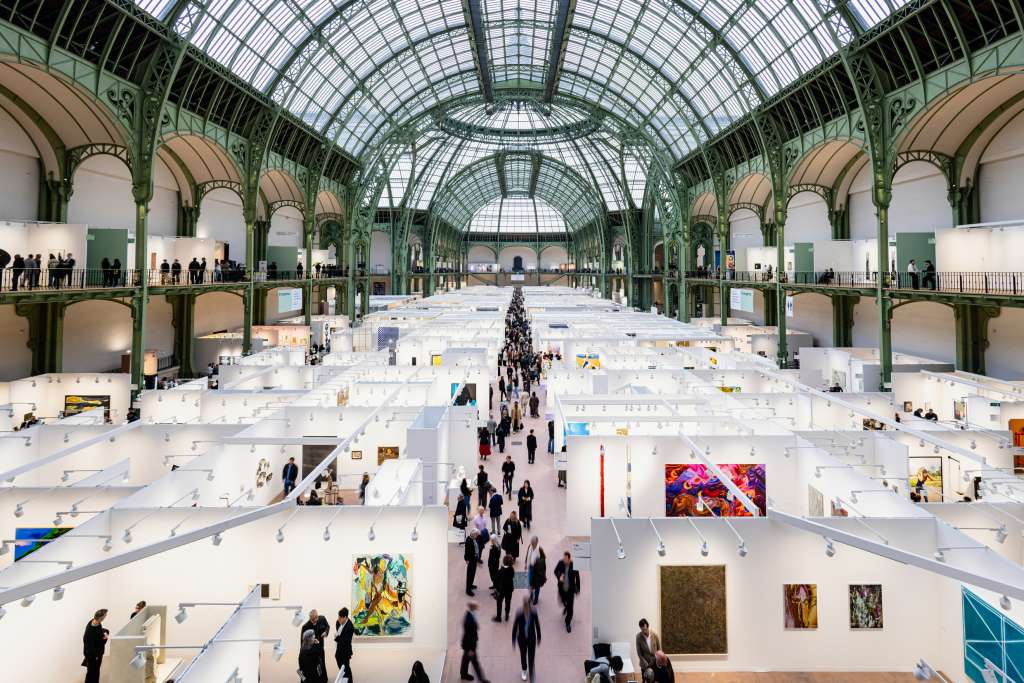
Those distinctions matter because fashion and art can be linked too casually. A recognizable logo beside an exhibition does not explain the creative relationship. The useful questions concern the actual contribution: what was made possible, who selected the participants and how the public could engage with the work.
For a luxury brand, cultural partnership can create a setting in which its identity is encountered through ideas and experience. For an arts organization, a partnership may support activity that reaches beyond its usual audience. Neither possibility should be presumed successful without looking at the programme itself.
Editorial coverage can make that relationship clearer by naming the roles. Artist, curator, gallery, institution and commercial partner have different responsibilities. Identifying them gives readers a more accurate understanding than describing an entire week as a branded spectacle.
Looking at art before looking at the price
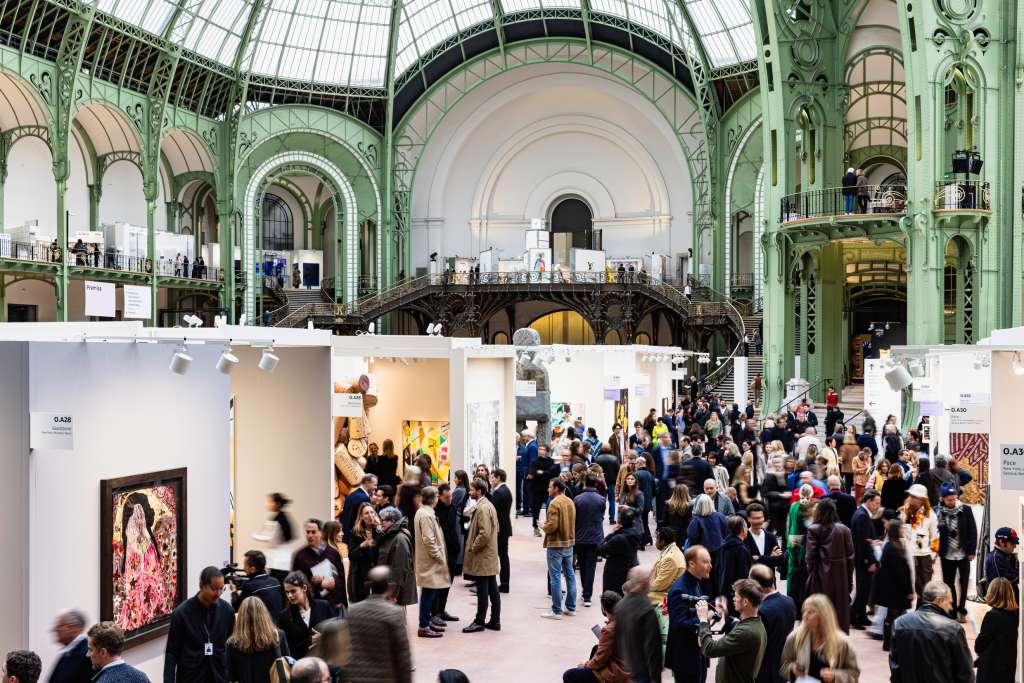
Market reporting provides one view of a fair. It can reveal what galleries report selling, which categories attract attention and how a particular transaction fits into an artist’s market. But an asking price is not a completed sale, and an announced sale is not automatically evidence of a market-wide shift.
For collectors, the questions become more specific. What is the work’s provenance? What documentation accompanies it? Are there condition issues, edition details or ownership restrictions to understand? An appealing presentation should be the beginning of due diligence, not a reason to dispense with it.
For readers, those distinctions can make art coverage more engaging rather than more technical. Understanding how a work is made and presented gives the object a life beyond its valuation. A photograph might draw someone into the story; a clear account of process, intention and context gives them a reason to remain.
This is also where an editorial image needs care. A crowded reception communicates social energy. An installation view shows how works relate in space. A detail reveals something about material. Each image answers a different question, and a well-edited sequence should make room for all three.
The destination is part of the experience
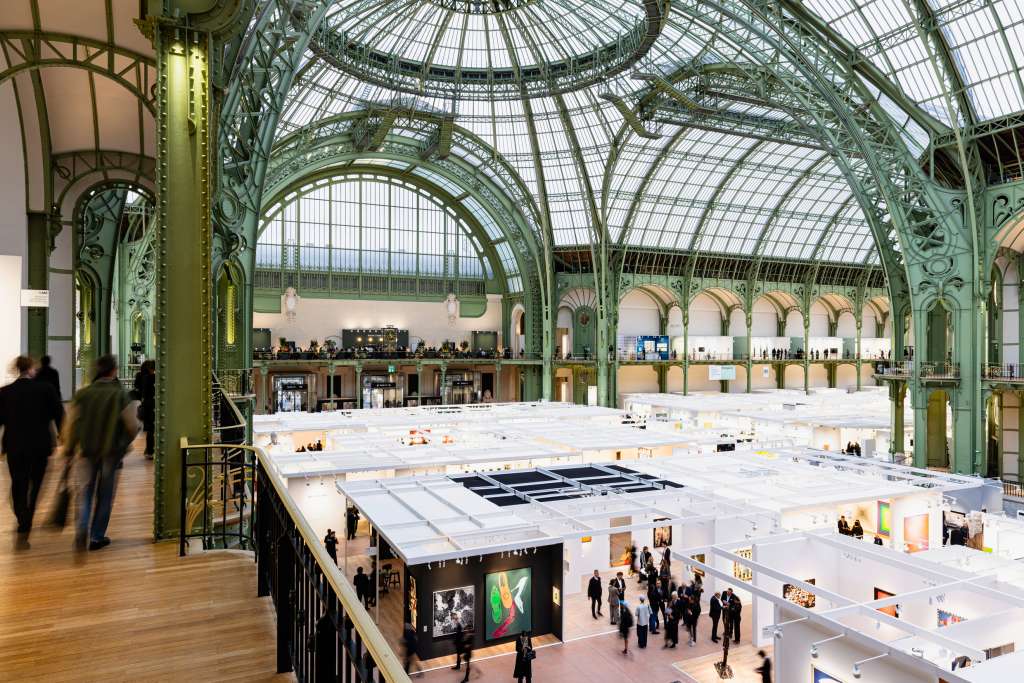
For travellers, art week offers a reason to organize a city visit around looking rather than simply sightseeing. The practical challenge is to preserve time between appointments. An itinerary packed from morning to night can turn cultural access into a succession of arrivals and departures.
A better rhythm allows for an exhibition that takes longer than expected, a return visit or an unplanned conversation. It also makes room for the ordinary city around the event. The restaurant, walk or neighbourhood matters most when it supports the experience rather than serving as another status marker.
Paris’s strength in this setting is the possibility of connecting the fair with a larger cultural landscape. The architecture, institutions and gallery network give visitors different ways to approach what they have seen. The most memorable outcome may be a particular work or conversation rather than a purchase.
That is the opportunity for luxury coverage of art week: to describe access with enough specificity that it becomes meaningful. The guest list may establish who was there. The story should establish what made the encounter worth having.
Sources: Source 1
