Record quarterly revenue and operating profit show how Adidas is expanding its momentum beyond the sneakers that helped drive its resurgence.
Adidas Originals’ Spring 2026 Superstar campaign. Image: Adidas.
Adidas has delivered another record quarter, and this time, the most revealing part of the story sits above the sneakers. Apparel is becoming a powerful growth engine for the German sportswear company, helping it reach new sales heights while its footwear business navigates a more promotional marketplace.
Third-quarter revenue reached €7.252 billion in 2026, approximately €7.3 billion, increasing 9% in reported terms and 7% on a currency-neutral basis. Operating profit climbed 37% to €1.008 billion, setting another quarterly record.
For a brand whose recent cultural visibility has been closely associated with the Samba and Handball Spezial, the results suggest a broader business is taking shape. Clothing, performance products and direct relationships with consumers are giving Adidas multiple ways to grow as demand shifts.
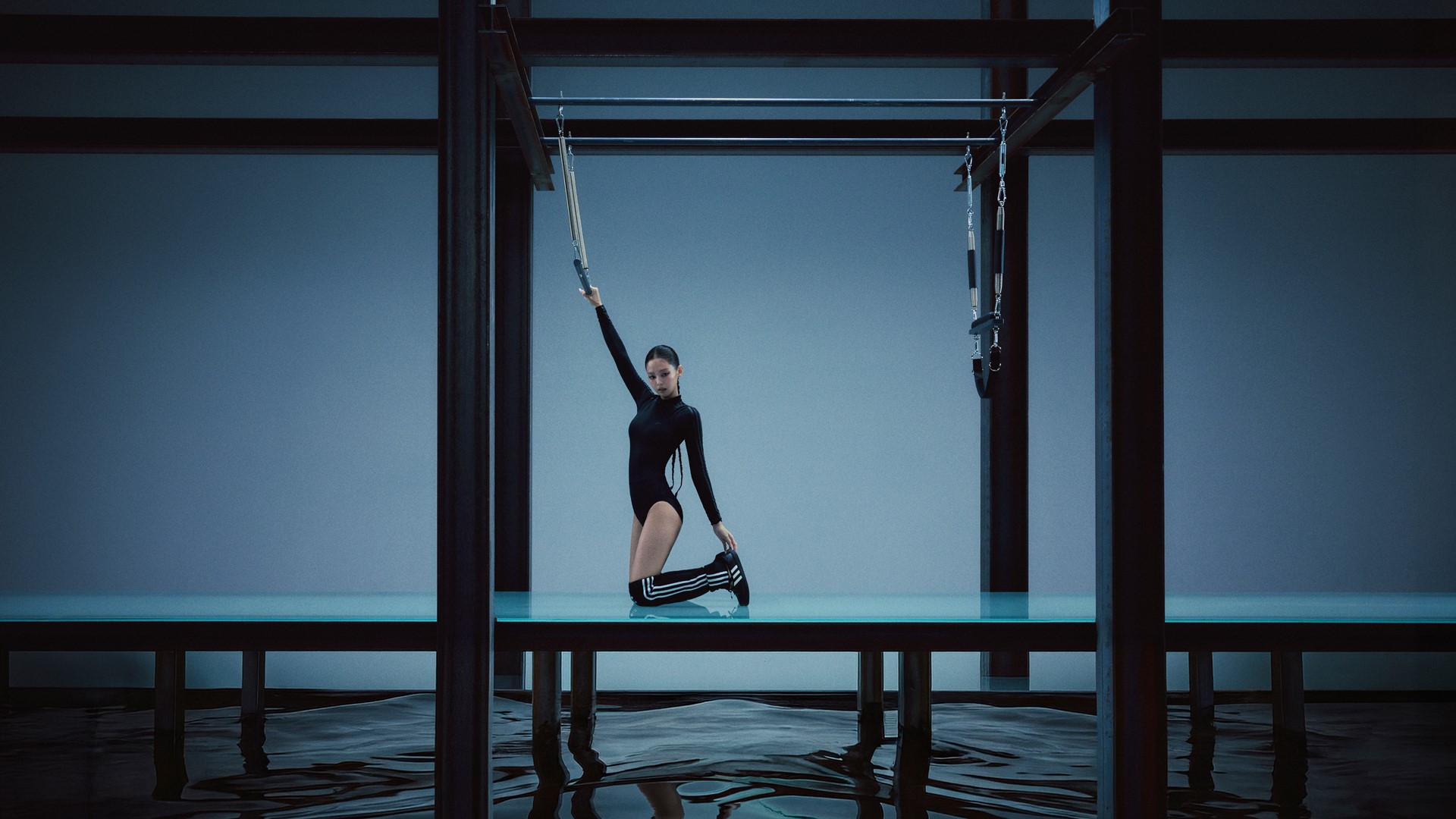
JENNIE for Adidas Originals by JENNIE, Fall/Winter 2026. Image: Adidas.
Apparel Moves Into the Spotlight
Apparel sales increased 19% on a currency-neutral basis, making clothing the standout category of the quarter. Accessories rose 5%, while overall footwear revenue remained flat.
Adidas Originals by JENNIE, Fall/Winter 2026. Image: Adidas.
That balance matters. A popular sneaker can introduce a new generation to a brand, but sustaining that relationship requires a compelling reason to return. Clothing offers Adidas another opportunity to become part of a customer’s everyday wardrobe, from training sessions to the office commute and weekends away.
Quarterly apparel revenue reached approximately €2.9 billion, compared with €3.8 billion for footwear and €527 million for accessories. Footwear remains the larger business, but apparel is supplying much of the acceleration.
JENNIE in the Spring 2026 Superstar campaign. Image: Adidas.
Kendall Jenner for Adidas Originals Superstar, Spring 2026. Image: Adidas.
Demand also crossed the boundary between sport and style. Performance revenue rose 14%, supported by double-digit growth in running, training and football, while lifestyle revenue increased 3%. Those figures describe broader business categories rather than apparel alone, an important distinction when assessing where the momentum originates.
The Adizero Adios Pro Evo 3, part of Adidas’s performance running offering. Image: Adidas.
Adidas’s challenge is to translate sporting credibility into products people want to wear well beyond competition. A training collection or football shirt can serve a practical purpose while also carrying cultural appeal. The quarter suggests that combination continues to attract customers.
Direct Sales Strengthen the Business
The way Adidas sells its products is becoming as important as the products themselves.
Direct-to-consumer revenue increased 17%, with e-commerce growing 18% and company-operated retail rising 16%. DTC revenue reached approximately €2.9 billion. Wholesale sales, by comparison, increased 2% to around €4.4 billion.
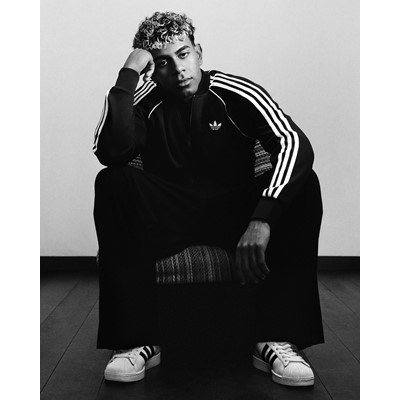
Lamine Yamal in Adidas Originals’ Spring 2026 campaign. Image: Adidas.
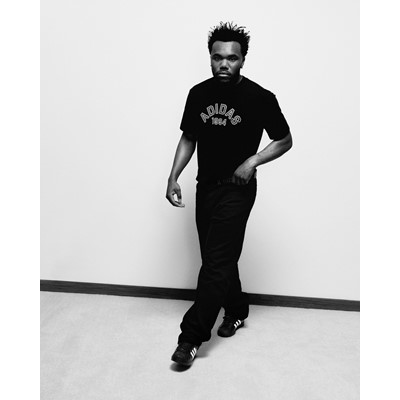
Baby Keem for Adidas Originals Superstar, Spring 2026. Image: Adidas.
The contrast reflects a deliberate approach to distribution. Adidas has been limiting wholesale shipments in a market where excess inventory and discounting can put pressure on prices. Selling more through its own channels gives the company greater influence over presentation, assortment and the customer experience.
There is also a useful distinction within the footwear numbers. Although footwear revenue was flat overall, Adidas reported 6% footwear growth through its direct channels. The headline therefore captures more than consumer appetite: it also reflects decisions about how much product to place with wholesale partners.
For other brands, the wider lesson is straightforward. Visibility needs to lead somewhere. A campaign becomes more valuable when the product, store experience and online purchase journey give consumers a reason to act.
Growth Abroad Meets Pressure in Europe
Japan and South Korea delivered the strongest regional growth, with currency-neutral sales increasing 19%. Latin America followed at 16%, emerging markets at 15%, Greater China at 13% and North America at 12%.
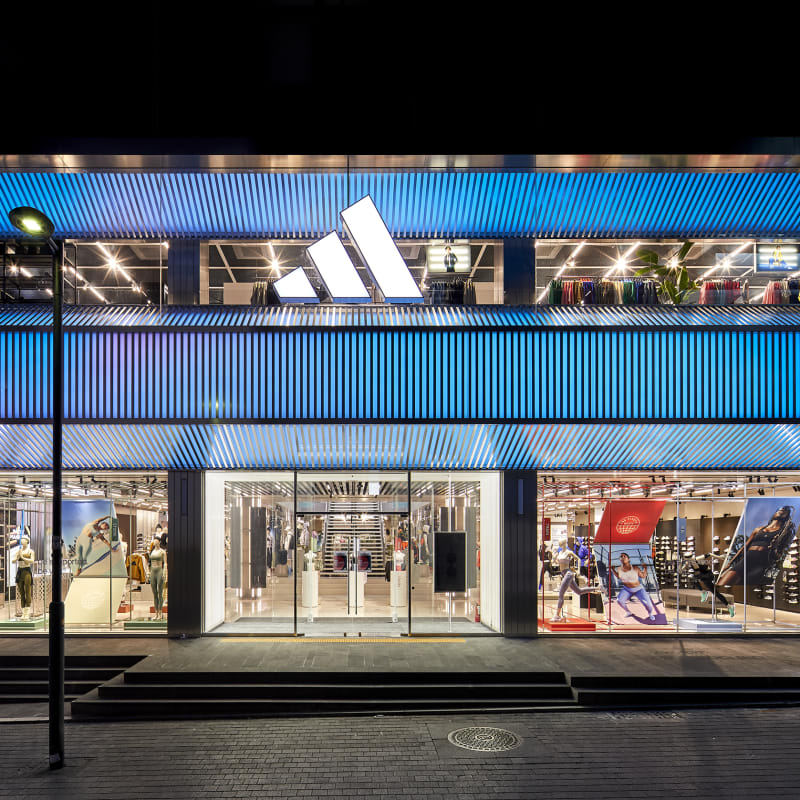
Adidas’s Home of Sport flagship in Myeongdong, Seoul, opened in 2023. Image: Adidas.
Europe moved in the opposite direction, declining 4%.
Discounting in lifestyle footwear and a restrained wholesale approach weighed on the region. Adidas’s own release adds another factor: a planned SAP system migration temporarily shifted some wholesale deliveries and associated revenue from the third quarter into the fourth.
That makes Europe’s performance more complex than a simple loss of interest in the brand. Adidas reported continued growth in its own European channels, even as wholesale conditions remained difficult.
A second look from Adidas Originals by JENNIE, Fall/Winter 2026. Image: Adidas.
The regional split also illustrates why a global label needs local judgment. Product preferences, retail conditions and inventory requirements vary between markets. Maintaining relevance requires decisions close enough to the customer to recognize those differences.
For Adidas, broad international growth provides support while Europe works through its particular pressures. It also creates a demanding operational task: keeping desirable products available without allowing distribution to run ahead of demand.
Record Profit and the Next Chapter
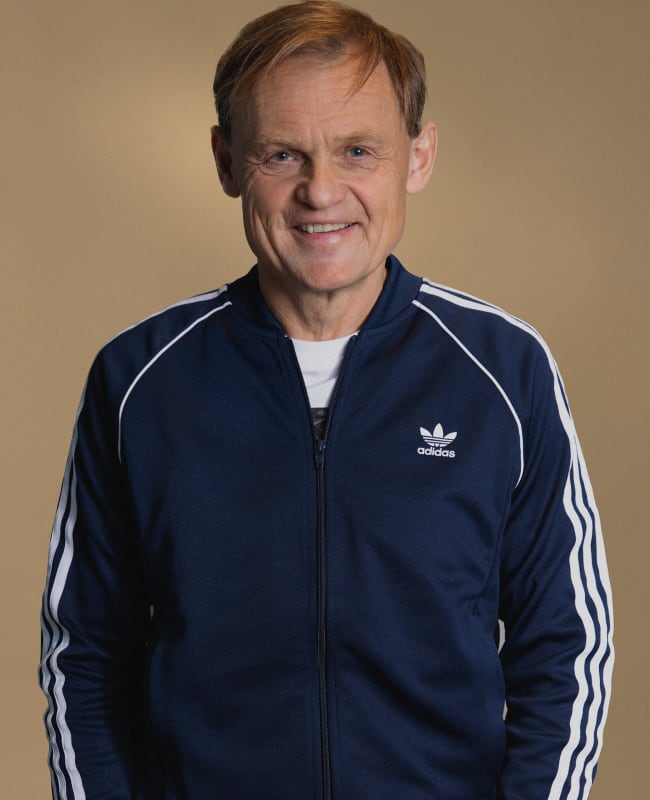
Adidas CEO Bjørn Gulden. Official corporate portrait; image: Adidas.
Operating profit of €1.008 billion is a significant milestone, although the quarter benefited from an approximately €200 million US tariff refund. Gross margin reached 54.3%, supported by that refund, healthy full-price sales and a favorable sales-channel mix.
The refund matters when interpreting the record. It contributed to the result alongside the underlying business improvements, so the profit increase should be read with both factors in view.
Adidas now expects full-year currency-neutral revenue growth of 9% to 10% and operating profit of around €2.5 billion, up from its previous €2.3 billion forecast. Its revised outlook also incorporates approximately €100 million of planned fourth-quarter reinvestment in initiatives intended to improve future operating efficiency.
The results arrive during a finance leadership transition. The October 29 earnings call was Harm Ohlmeyer’s final quarterly presentation as CFO, with Birgit Kretschmer set to succeed him at the beginning of 2027.
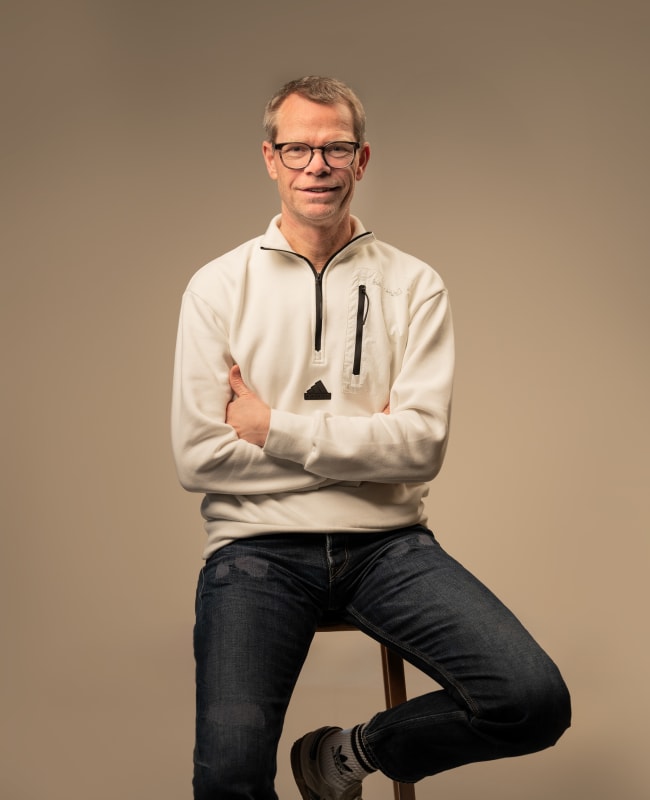
Outgoing CFO Harm Ohlmeyer. Official corporate portrait; image: Adidas.
Birgit Kretschmer, set to succeed Harm Ohlmeyer as CFO in January 2027. Image: Adidas.
The next chapter will require Adidas to keep building on its wider product appeal while managing the uneven conditions behind the headline numbers. Apparel is growing quickly, direct sales are strengthening and performance categories are contributing meaningfully. Lifestyle footwear still faces pressure.
For consumers, those changes will appear through collections, collaborations and the next pair of shoes they choose. For Adidas, their commercial value will depend on turning that interest into repeat purchases at healthy prices. Another sales record offers evidence of progress; a broader, more resilient business is the opportunity ahead.